Designing With the Brain in Mind
When you walk into a room and instantly feel calm, energized, or even inspired, that’s not an accident, it’s science at work. The way our brains react to color, light, and even textures has a fancy name: Neuroaesthetics. Don’t worry, this isn’t a dry science lecture. It’s more like a secret design tool hiding in plain sight. That’s exactly why I created this guide: Designing With the Brain in Mind: Neuroaesthetics Explained Easily.
Think about it, why do some rooms feel cozy and safe while others feel cold and stressful? Why does natural light instantly lift your mood? Why do we love symmetry, but feel uneasy with too much clutter?
These are all part of neuroaesthetics, and once you understand them, you can use them to transform your home into a space that doesn’t just look good but also feels right.
In this post, I’ll break down Designing With the Brain in Mind: Neuroaesthetics Explained Easily in everyday terms and show you how to actually use it in your own home. From color choices that calm your mind to furniture layouts that help you focus, you’ll see how designing with your brain in mind can make your home both beautiful and emotionally supportive. Ready to turn science into style? Let’s jump in.
What Even Is Neuroaesthetics?
Neuroaesthetics might sound intimidating, but really, it’s just the study of how our brains respond to beauty and design. Think of it as a science-backed way of understanding why we find certain spaces calming, energizing, or downright stressful.
At its core, neuroaesthetics is about connecting the dots between what we see, how we feel, and how our brains react. Or in simpler words: it’s about why your environment has such a big influence on your mood.
When you hear Neuroaesthetics Explained, don’t picture a lab coat and microscope, picture your favorite cozy corner or that café that instantly relaxes you. That feeling isn’t random. Your brain is constantly processing colors, shapes, and light, and giving you a little mood boost (or mood drop) depending on what it sees.

The best part? You don’t need to be a scientist to use it. Once you understand the basics, neuroaesthetics becomes like a hidden design cheat sheet. It’s not about following rigid rules, it’s about paying attention to what your brain already loves and then bringing more of that into your home.
Why Your Brain Loves Beautiful Spaces
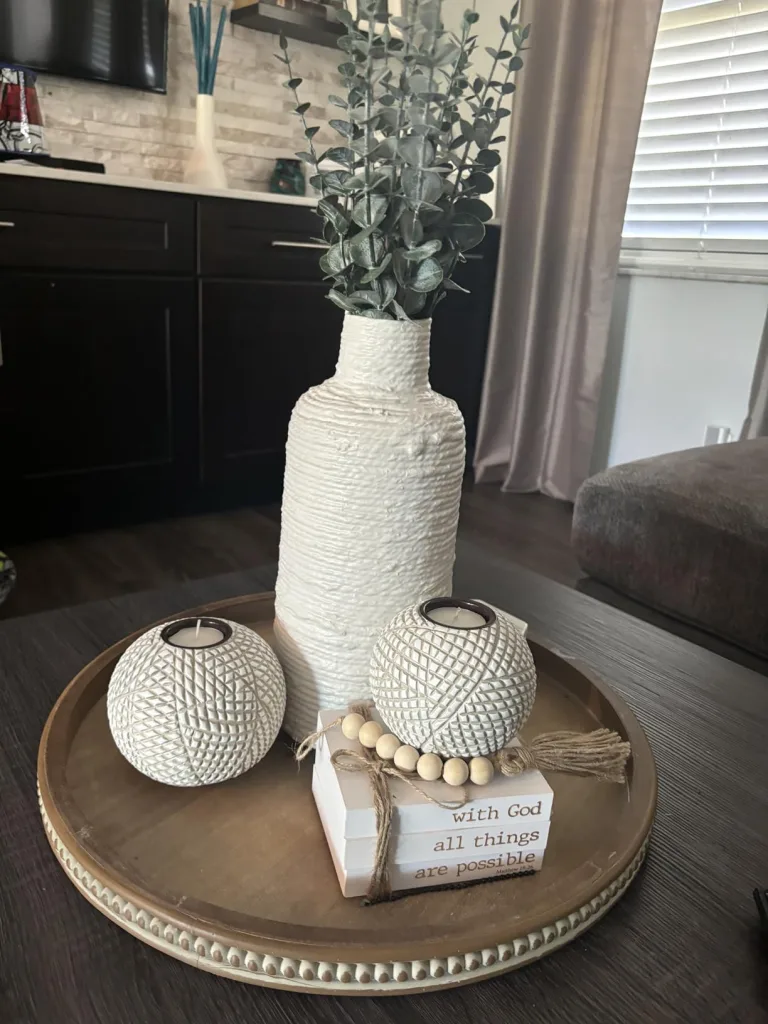
Our brains are wired to respond to beauty. When we’re surrounded by things that feel pleasing, whether that’s natural light, a color we love, or even a soft blanket, our brain releases dopamine, also known as the “feel-good” chemical. That’s why walking into a bright, airy room feels instantly uplifting while a dark, cluttered space can make you anxious. Neuroaesthetics explained simply? Beauty isn’t just nice to look at; it’s literally good for your brain.
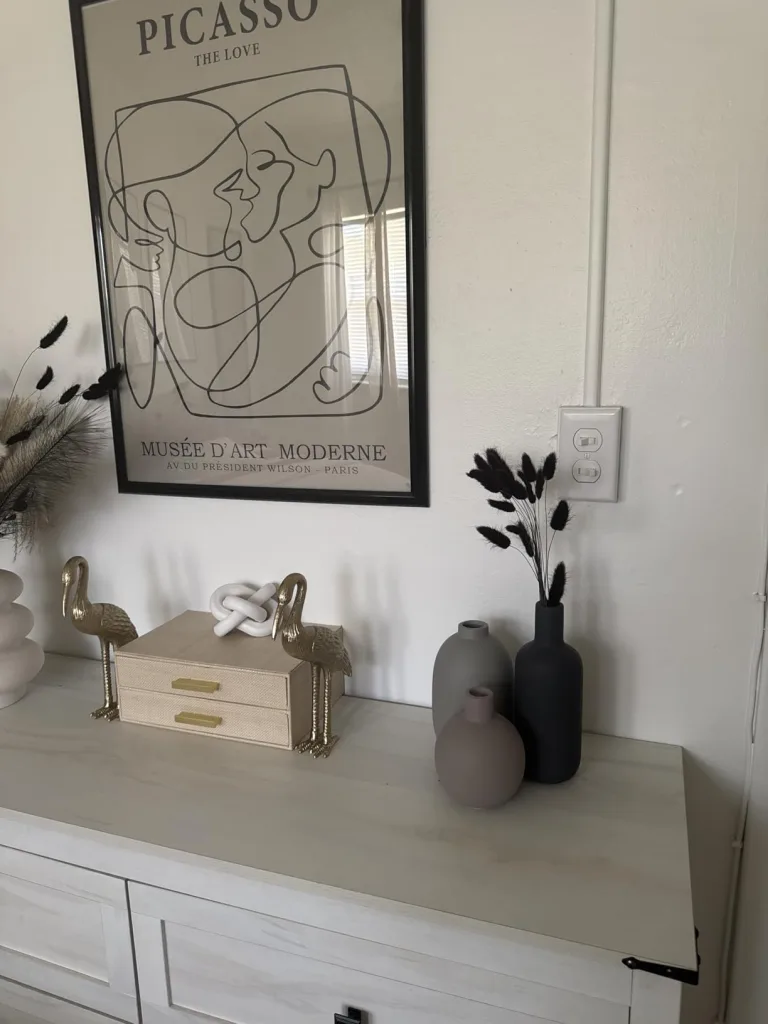
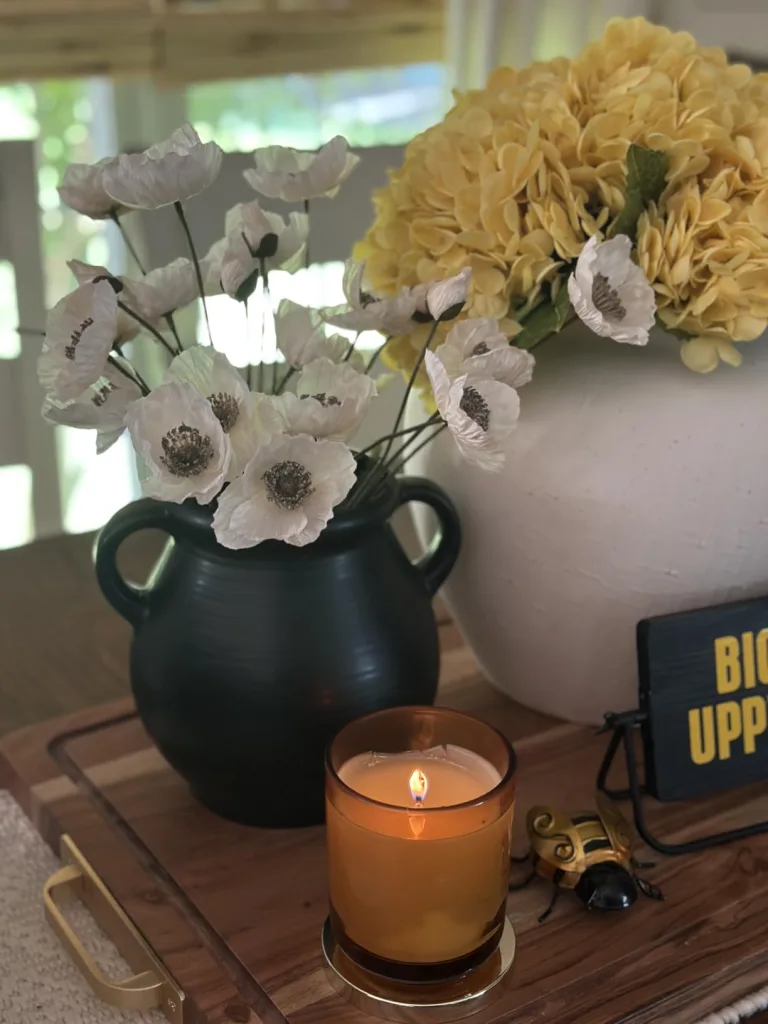
Colors, textures, and even symmetry all play a role. A sunlit room can lower stress hormones. A well-balanced layout can make you feel safe and comfortable. Even something as small as fresh flowers on the table can give your brain a mini dose of happiness. This is one of my favorite self-care rituals, actually. Fresh flowers from Trader Joes. Hydrangeas are my favorite!
These aren’t design “extras”, they’re essential parts of creating a home that supports your well-being. That’s exactly what Designing With the Brain in Mind: Neuroaesthetics Explained Easily is here to show you.
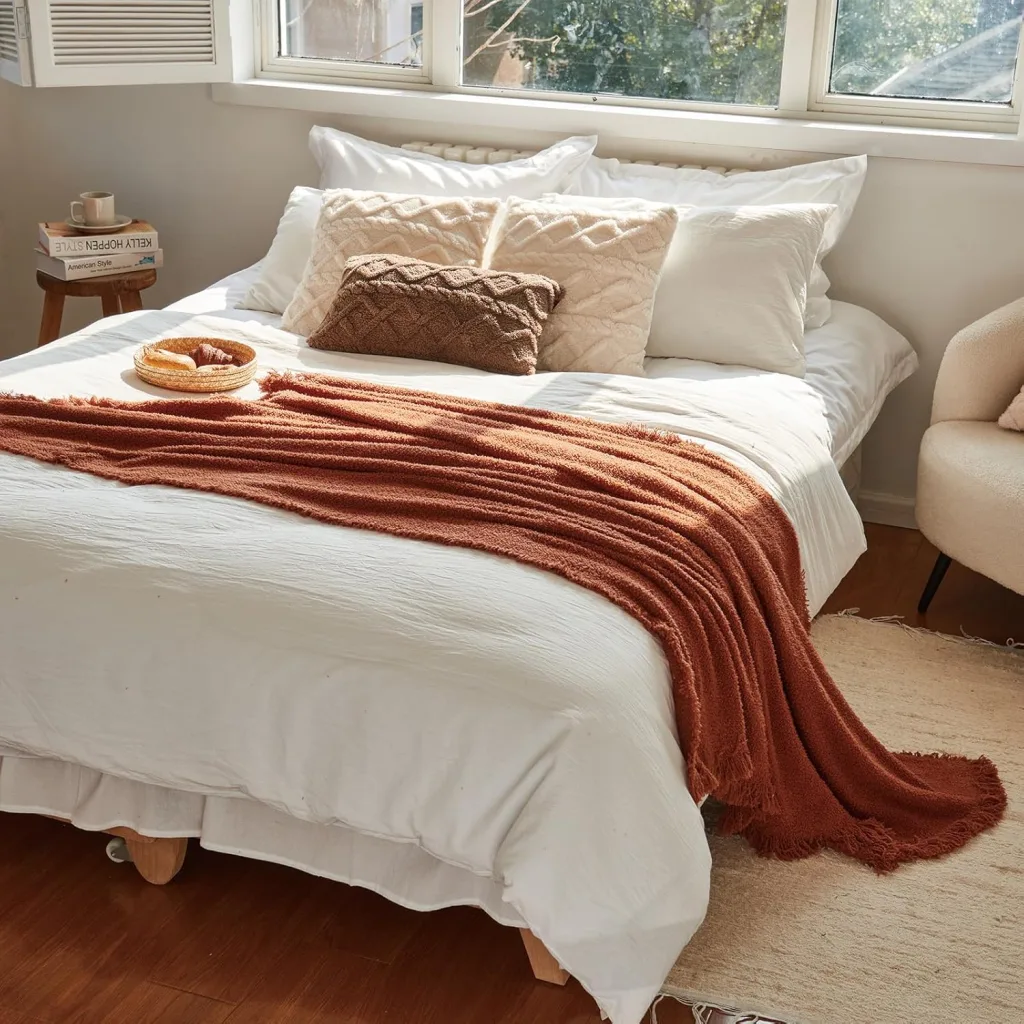
When you learn how to design with these things in mind, you’re not just decorating, you’re creating a daily environment that boosts your mood, reduces stress, and makes life feel a little easier. Neuroaesthetics Explained proves that designing beautiful spaces isn’t superficial; it’s science-backed self-care.
Neuroaesthetics Explained – The Science Made Simple


Let’s take some of the science-y stuff and make it super simple. Ever wonder why clutter stresses you out? That’s because your brain likes order. When things are messy, your brain works overtime trying to process everything at once, which leads to mental fatigue…sigh..it’s so true! Clutter is emotionally draining. Clutter is truly and emotional vampire..
On the flip side, symmetry and clean lines are easier for your brain to process, so they make you feel calmer. That’s Neuroaesthetics Explained in real life and exactly what Designing With the Brain in Mind: Neuroaesthetics Explained Easily is all about.

Natural light is another big one. Our brains are tuned to daylight cycles, so bright light in the morning makes us feel alert and ready to go, while softer light in the evening signals relaxation. That’s why a room with good lighting feels so inviting, it’s literally syncing with your brain’s natural rhythm.
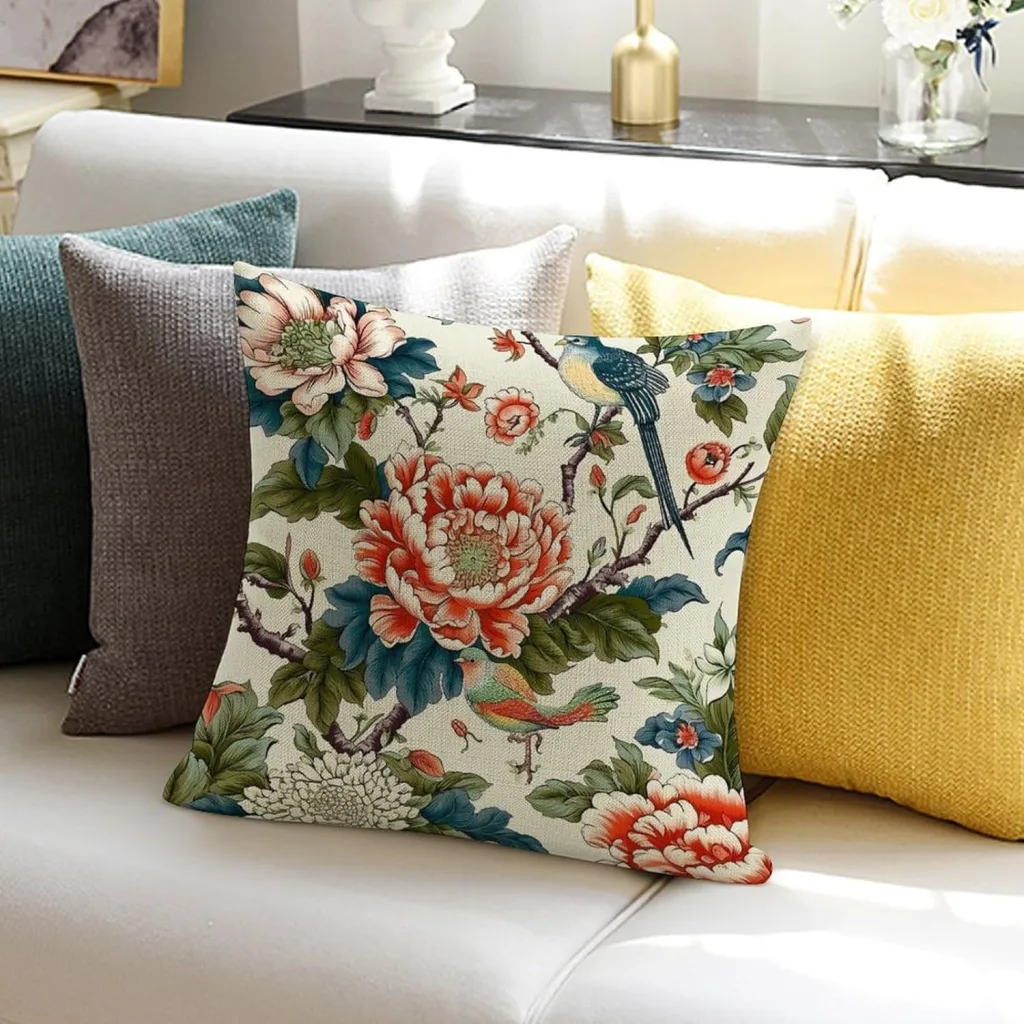
Even textures and materials have an effect. Rough, cold surfaces can feel harsh, while soft, warm textures like wood, linen, or velvet make us feel nurtured and safe. Once again, that’s neuroaesthetics explained in action: your brain responding to details, even when you’re not consciously aware of it.
Designing Your Home With Neuroaesthetics in Mind
Now that we’ve got the basics down, let’s talk about using neuroaesthetics in your own home. The first step is tuning into how spaces make you feel. Walk into each room and ask: Do I feel relaxed here? Energized? Stressed? The answers will guide your design choices better than any Pinterest board. This is the start of neuroaesthetics explained in action, listening to your brain’s natural reactions.
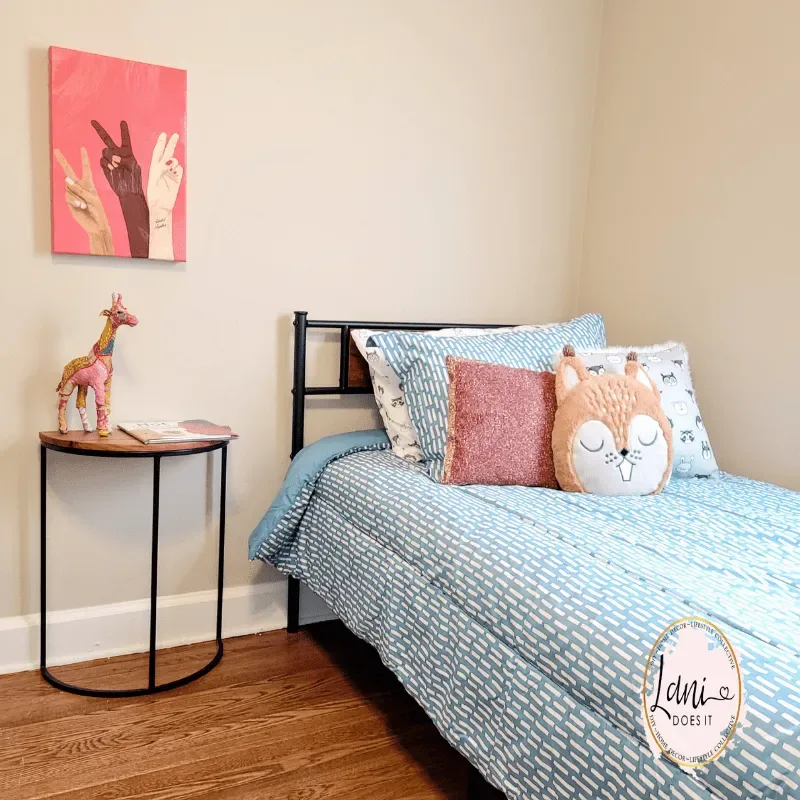
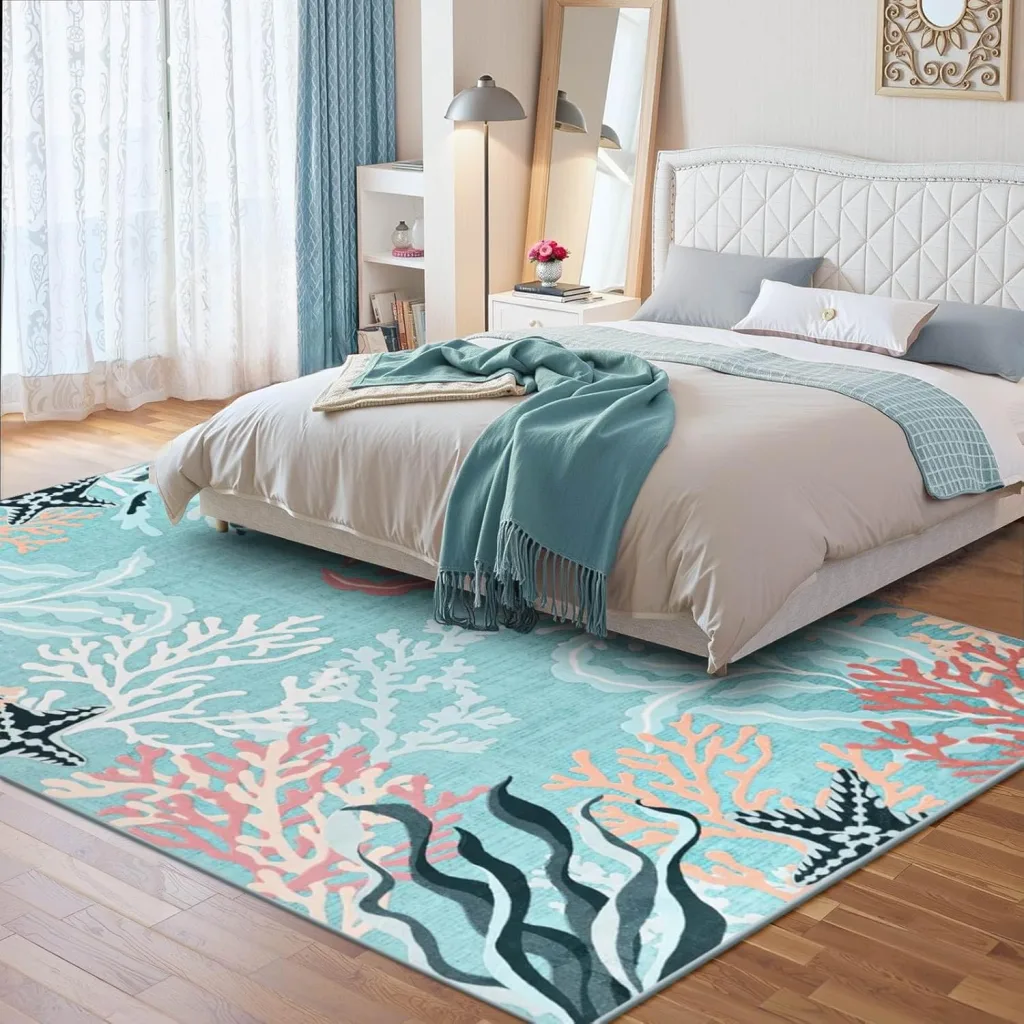
From there, make small adjustments. If your living room feels chaotic, simplify the layout or add more symmetry with matching lamps or artwork. If your bedroom feels flat, play with soft lighting, calming colors, empowering decor accents, and cozy textures. And if your office is giving you zero motivation, introduce energizing pops of color or bring in plants for a natural mood lift.
Designing With the Brain in Mind: Neuroaesthetics Explained Easily isn’t about massive renovations, it’s about small, intentional changes that feel good to your brain.
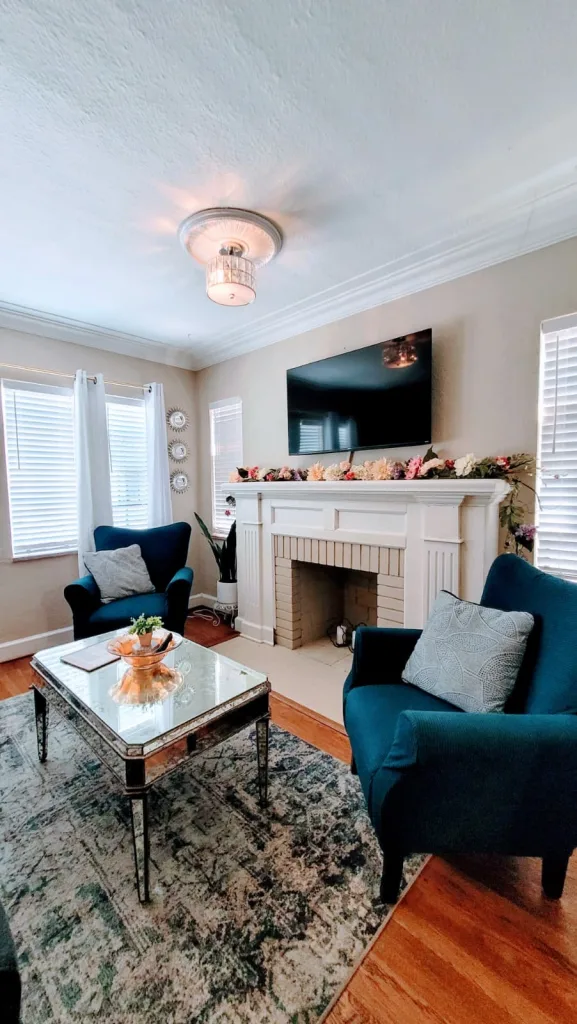
I’ve actually done this in one of my own projects: Save Money Furnishing a Airbnb Rental On a Budget. Downstairs, I leaned into family-friendly, cozy vibes with layouts and textures that worked for kids and remote workers like me; however, my upstairs unit in this two family flat, I had a different group in mind in mind, medical students from the nearby hospital.
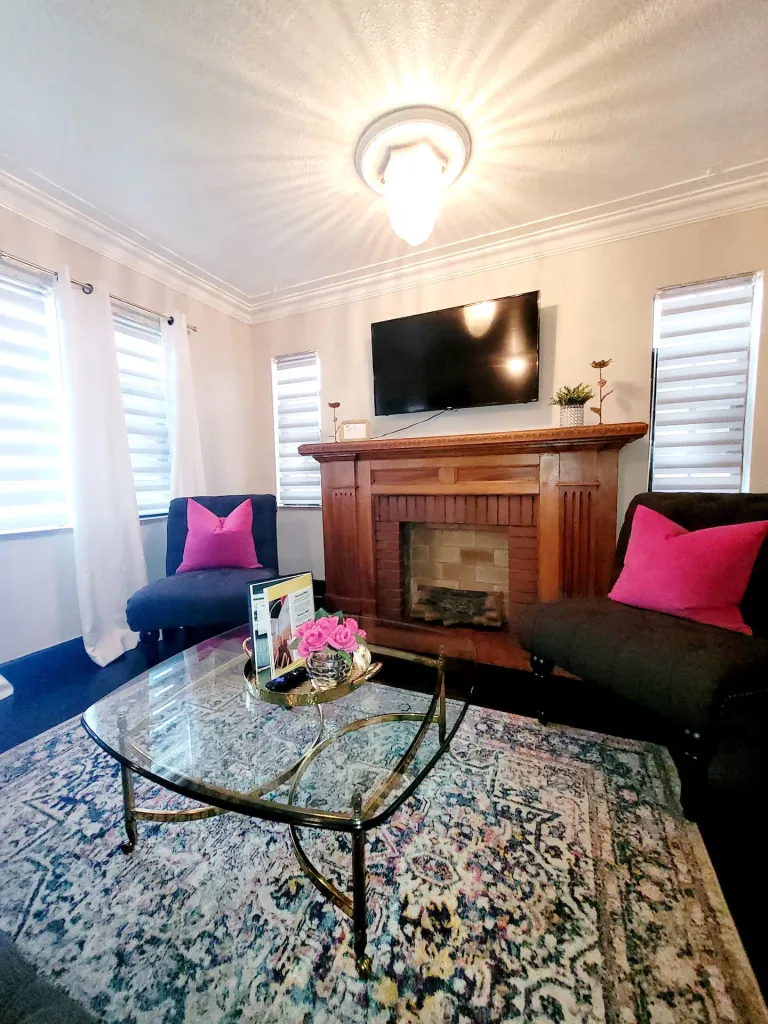
For them, I styled the rooms with smoky blues, greys, and little pops of gold and pink to keep the mood balanced between calm and cheerful. I also made sure there was room darkening curtains in the bedrooms because medical workers schedules and sleep patterns can be quite unpredictable.
That’s Designing With the Brain in Mind: Neuroaesthetics Explained Easily in real life, using neuroaesthetic principles to create spaces that feel good for the people who use them.
Room by Room Neuroaesthetic Hacks


Each room in your home serves a different purpose, so why not design them with their mood in mind? Designing With the Brain in Mind: Neuroaesthetics Explained Easily makes this super practical once you know what to look for.
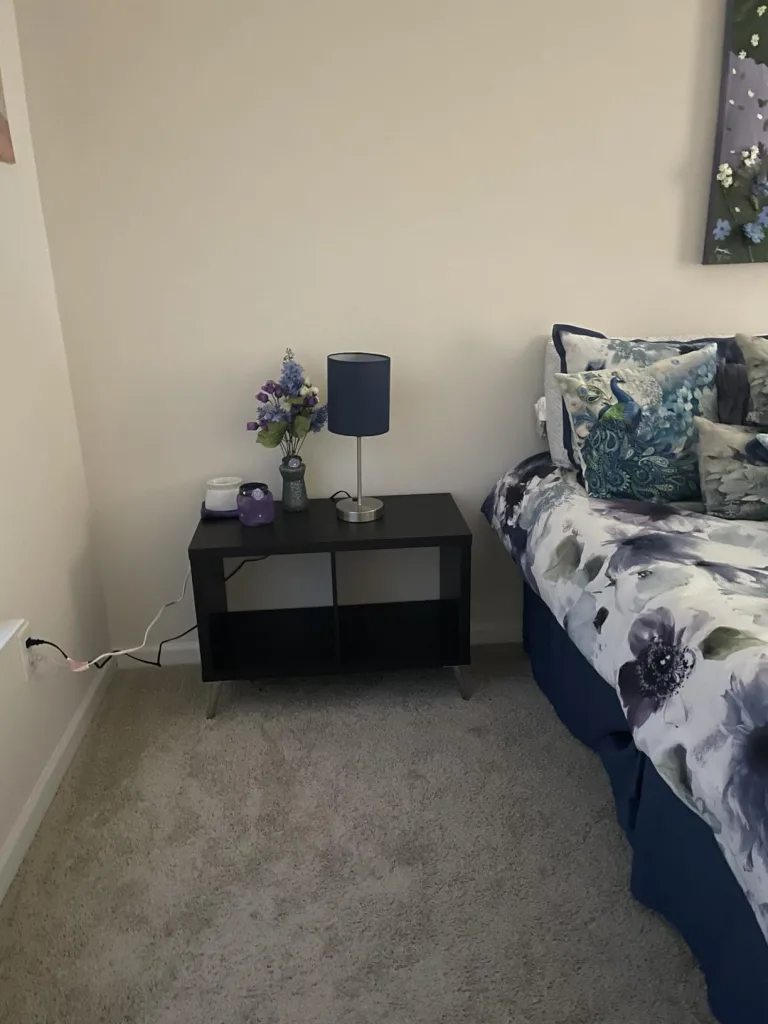
- Bedroom: Your brain needs calm here. Think soft, cool colors (blues, greens, neutrals), low lighting, and cozy textures. A clutter-free nightstand can do wonders for better sleep.

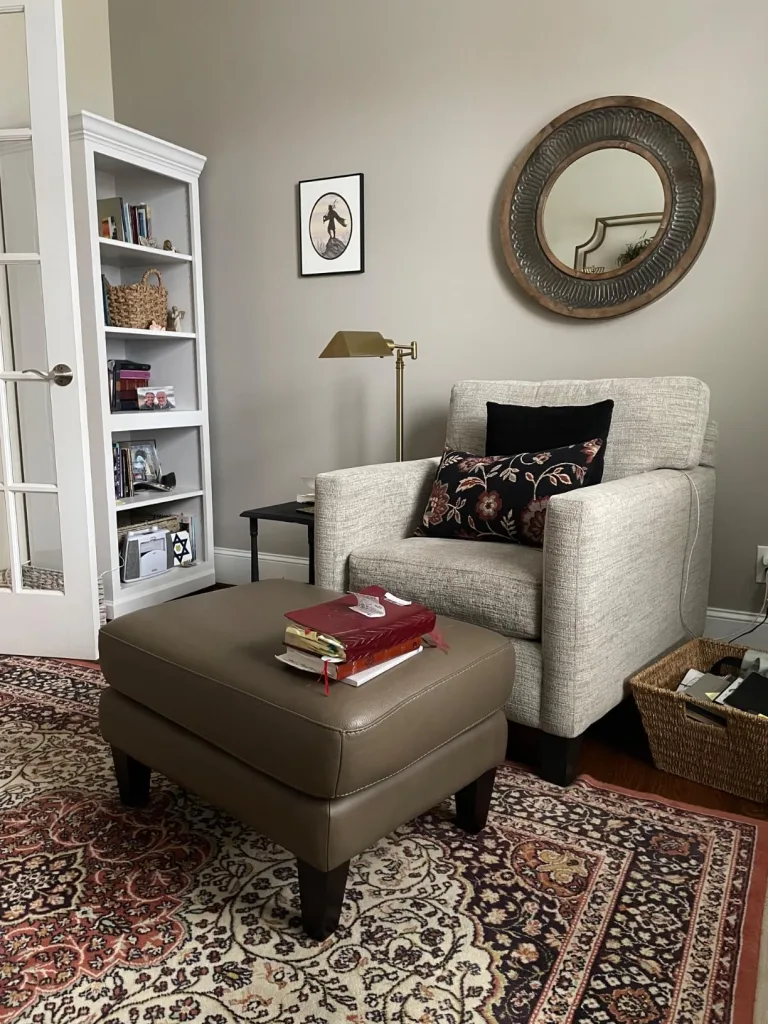
- Living Room: This is your gathering space, so go for warmth and comfort. Soft lighting, layered textures, and balanced layouts help your brain relax and connect.
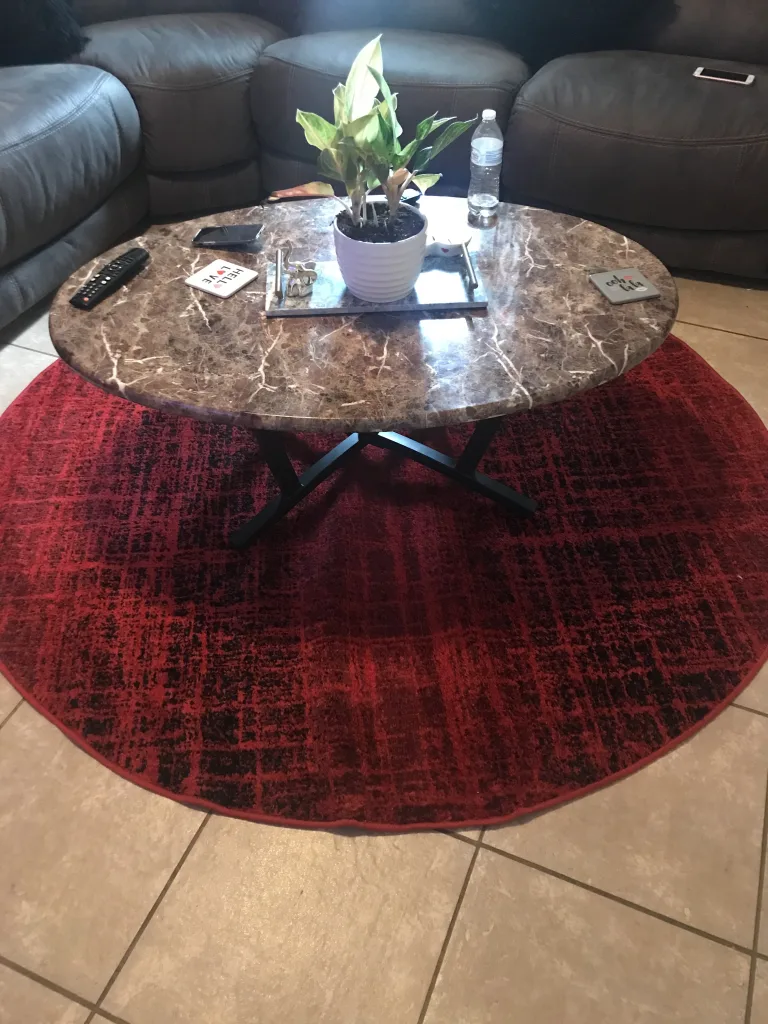
- Office/Workspace: Focus and creativity thrive in brighter spaces with pops of stimulating colors like yellow or coral. Natural light is a must if you can get it.
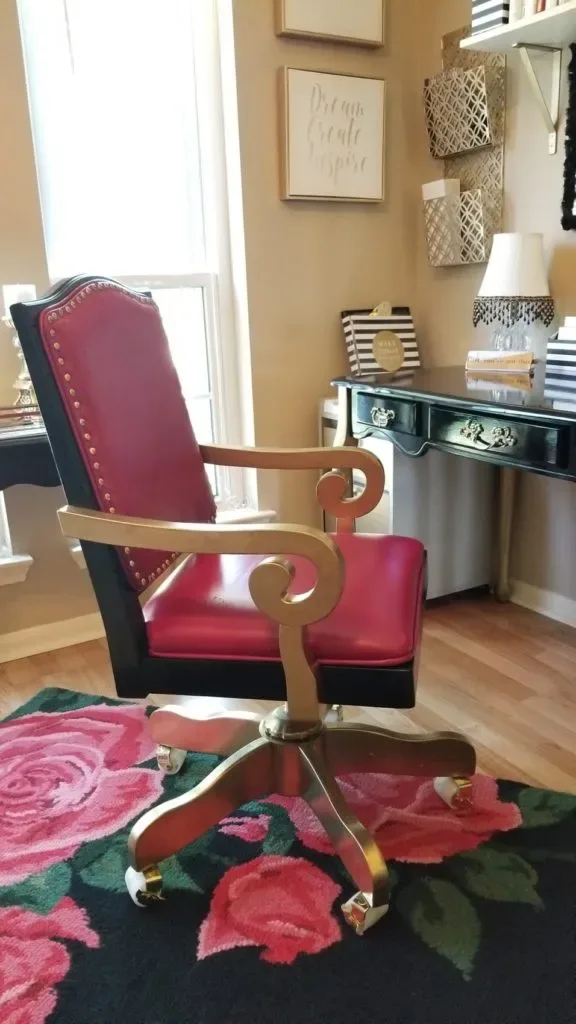
In my office below, I aimed for feeling inspired and unapologetic. I was attracted to feminine reds, pinks, gold, with hints of black and white. The fields of neuroaesthetics and color psychology suggest that the combination of gold and red evokes feelings of power, prosperity, and celebratory intensity. While red is biologically and emotionally stimulating, gold’s association with wealth and luxury stems from a mix of psychological priming, cultural meaning, and the physical properties of the precious metal.
- Kitchen: Energy and warmth live here. Bright, cheerful tones and clean counters keep your brain alert and inspired.

This is Neuroaesthetics Explained in action: designing for how you want to feel, not just how you want it to look.
Plants, the OG Mood Boosters in Neuroaesthetics
If there’s one design element your brain secretly craves, it’s plants. Seriously, bringing the outside in is like hitting the refresh button on your mood. Science calls it biophilia, our natural love for living things, and it plays a huge role in neuroaesthetics.
Think about it: a splash of green in the corner, a leafy monstera by the window, or even a vase of fresh Trader Joe’s hydrangeas (you know I had to say it) instantly shifts the vibe of a room. Your brain recognizes those natural elements and goes, “ahhh, safe, calm, happy.”
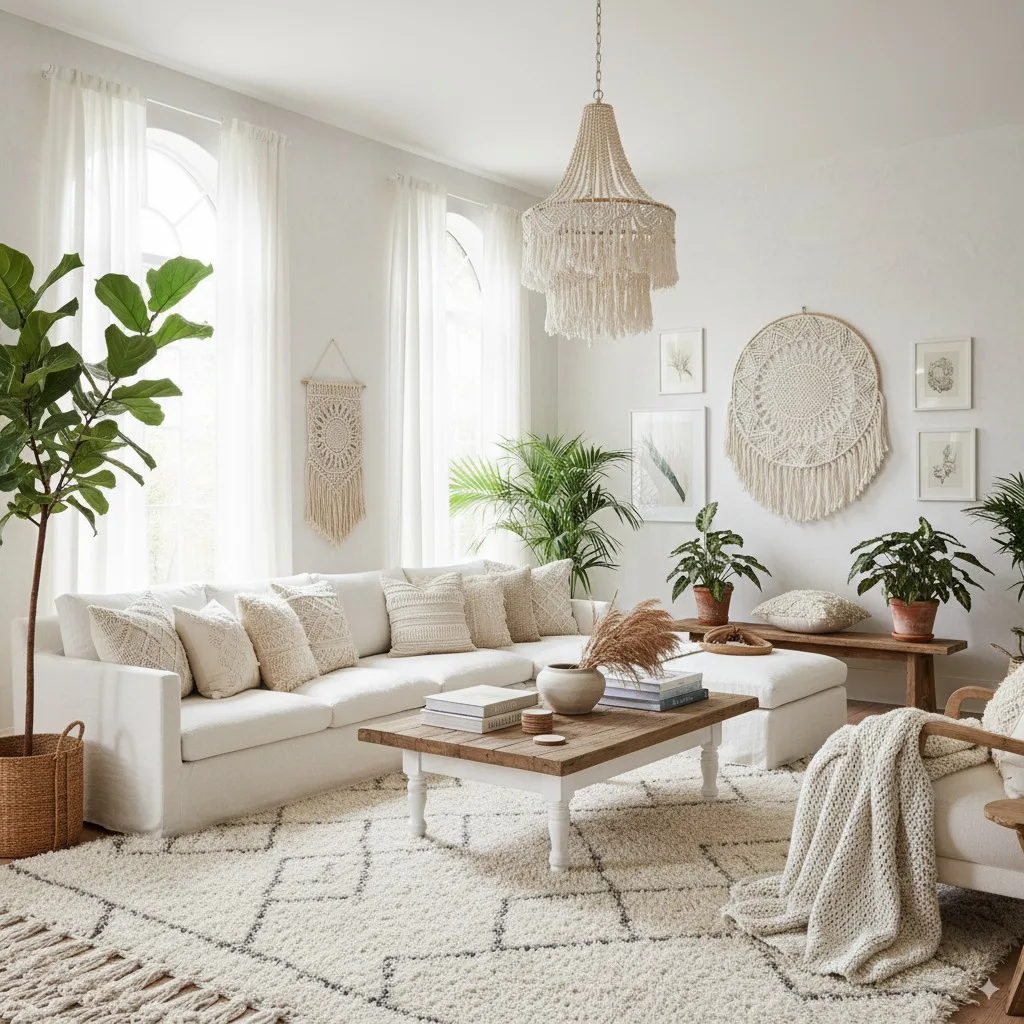
Plants don’t just look pretty, they actually improve air quality, lower stress, and help with focus. That’s why so many people say they work better in a space with greenery, it’s not just in your head, it’s in your brain chemistry.
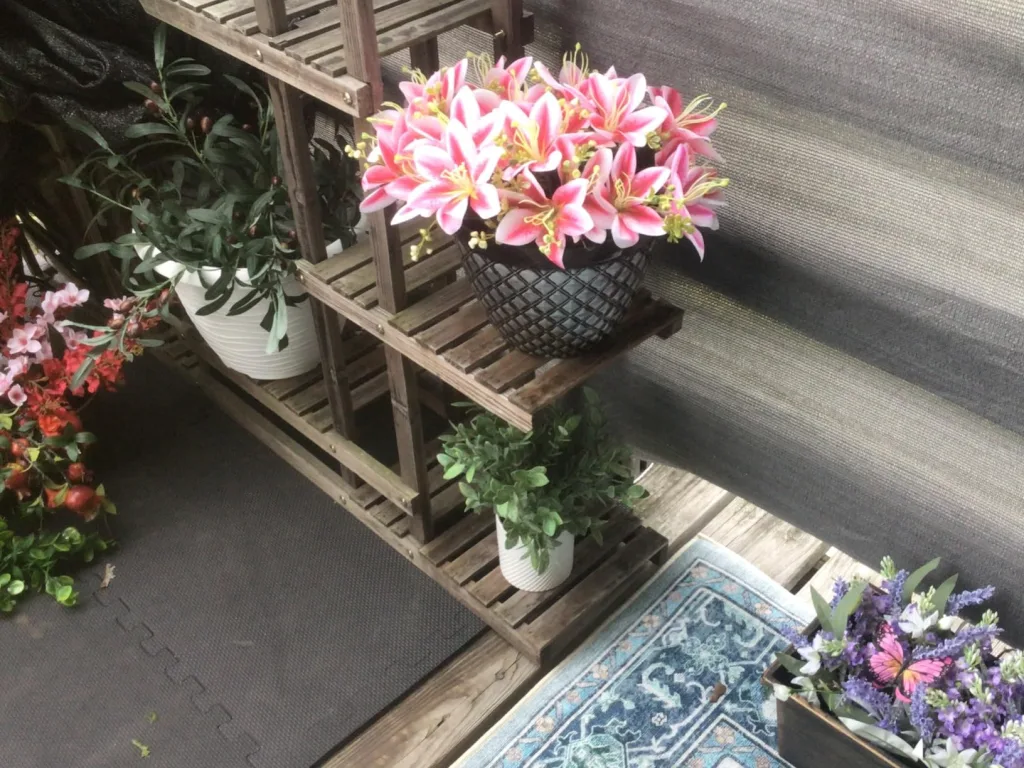
And here’s the best part: faux plants can give you a similar boost. Your brain still processes the symmetry, color, and softness of greenery even if it’s not alive. (I mix faux and real plants all the time in my projects, because hello, low maintenance but still high vibes.)
Bottom line: whether you go lush jungle vibes or keep it minimal with one chic fiddle leaf fig, plants are a neuroaesthetic hack that will never go out of style.
My Own Experience With Neuroaesthetics
Here’s the fun part: I realized I’ve been using neuroaesthetics long before I even knew the word. Take my bedroom makeover, for example. It started out beige, calm, yes, but also painfully boring. When I added a bold tropical mural in warm gold and amber tones, the whole energy shifted. Suddenly, my brain associated the room with luxury and joy. That’s Neuroaesthetics Explained perfectly.
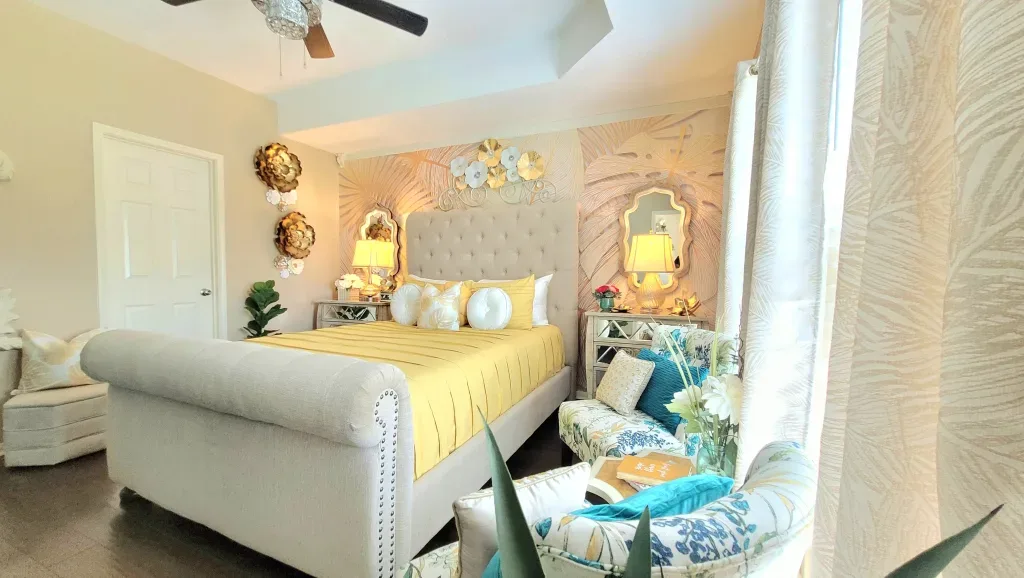
That’s exactly what Designing With the Brain in Mind: Neuroaesthetics Explained Easily is about, using design choices to shift how you feel in a space. And honestly, I didn’t just notice it myself. Friends who visited instantly said, “Wow, this feels like a vacation room.” That’s when it clicked: our brains are hardwired to respond to design, even if we don’t realize it.
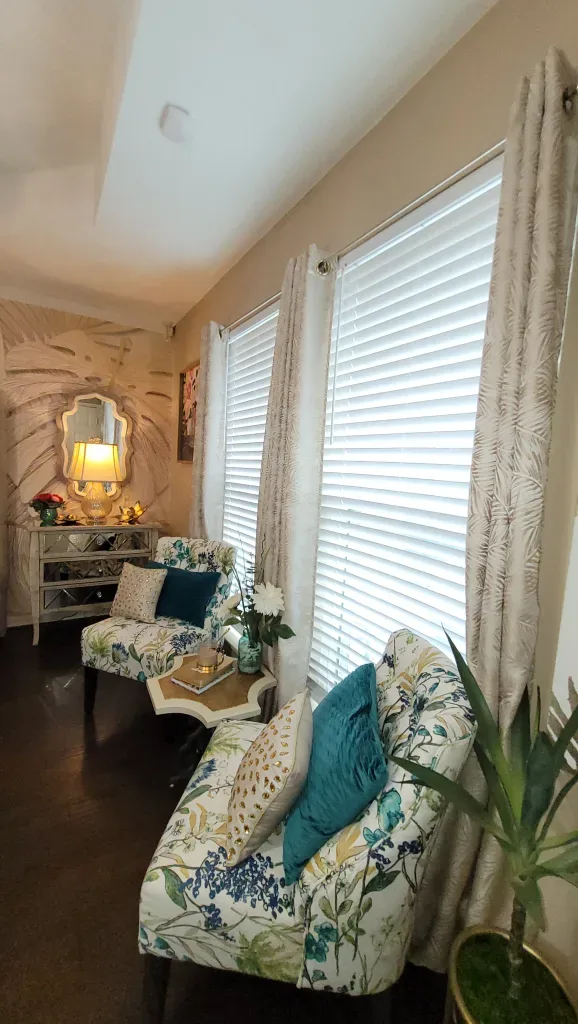
Looking back, so many of my design choices, like adding mirrors for more light or layering textures for coziness, were actually neuroaesthetic hacks. Once you see it, you can’t unsee it!
Bringing It All Together: Designing With the Brain in Mind
At the end of the day, Designing With the Brain in Mind: Neuroaesthetics Explained Easily isn’t about making your space look like a magazine spread, it’s about creating a home that feels like you. Science shows us that the colors we choose, the way we arrange furniture, and even the textures we touch can change how we think and feel.
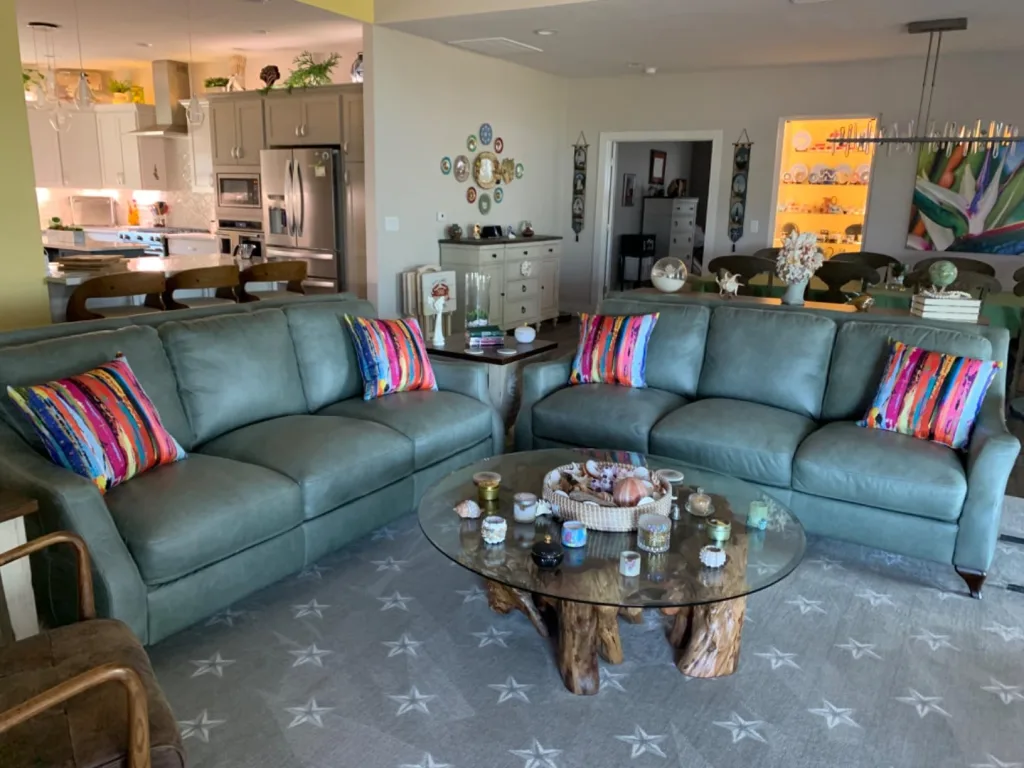
That’s the heart of Designing With the Brain in Mind: Neuroaesthetics Explained Easily: your home has the power to boost your mood, calm your stress, and inspire your best self.
So whether you’re adding a pop of sunny yellow to brighten a gloomy corner, layering cozy textiles in your bedroom for better sleep, or trying out a bold wallpaper mural like I did, remember this, your brain loves thoughtful design.
Designing With the Brain in Mind: Neuroaesthetics Explained Easily makes it clear that you don’t need a huge budget or a degree in psychology. You just need to be mindful on how your surroundings make you feel and then lean into what works.
And now I want to see what you create! Show off your own “mood-happy” spaces by tagging me on Pinterest, TikTok, YouTube, and Instagram with the hashtag #LaniDoesIt. If you’re ready to shop for decor that brings those good vibes home, check out my curated picks at Curated by Lani.
Because when you mix a little science with your personal style, your home becomes more than beautiful, it becomes a space that truly feels good for your mind.