
The Art of Decluttering with Purpose: How to Make Money While Downsizing is your guide to turning unwanted items into extra income, perfect for those making big moves! Whether you’re relocating out of state, starting fresh in a new country, or simply craving a lighter lifestyle, this post will help you sell with strategy. From vintage finds to home decor and everyday essentials, discover the best platforms, smart pricing tips, and intentional decluttering methods. Don’t just toss it, turn it into treasure and fund your next adventure!

More importantly, what I’ll be sharing has been based on my own experience of making major relocation moves twice, and here we are in 2025 and I’m considering it again, but this time I’m thinking outside of the country this time. With this in mind, I thought, there had to be many others thinking of making big moves this year; whether that is out of state, out of the country or you’re simply just wanting a deep dive into downsizing/decluttering for what will feel like a fresh start. Regardless of your goals, NOW is the time to prepare and plan ahead.

1. Declutter with Intention: How to Clear Space and Make Cash
Decluttering isn’t just about tossing things out, it’s about making room for a more intentional life and possibly earning money in the process. By sorting through your belongings with a sharp eye, you can uncover hidden treasures that someone else will happily pay for. Think of it as a refreshing reset that also boosts your wallet!

2. Sell Like a Pro: Where to List Your Pre-Loved Treasures for Maximum Profit
Not all selling platforms are created equal! Whether it’s vintage finds on Etsy, designer bags on Poshmark, or home decor on Facebook Marketplace, picking the right platform makes all the difference. In this section, we’ll break down the best sites for different items and share tips for making your listings stand out.

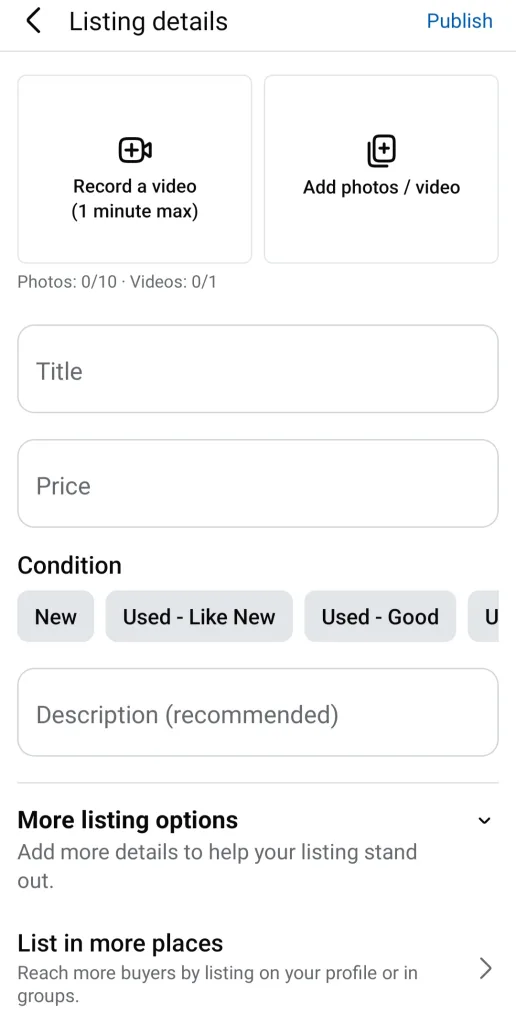
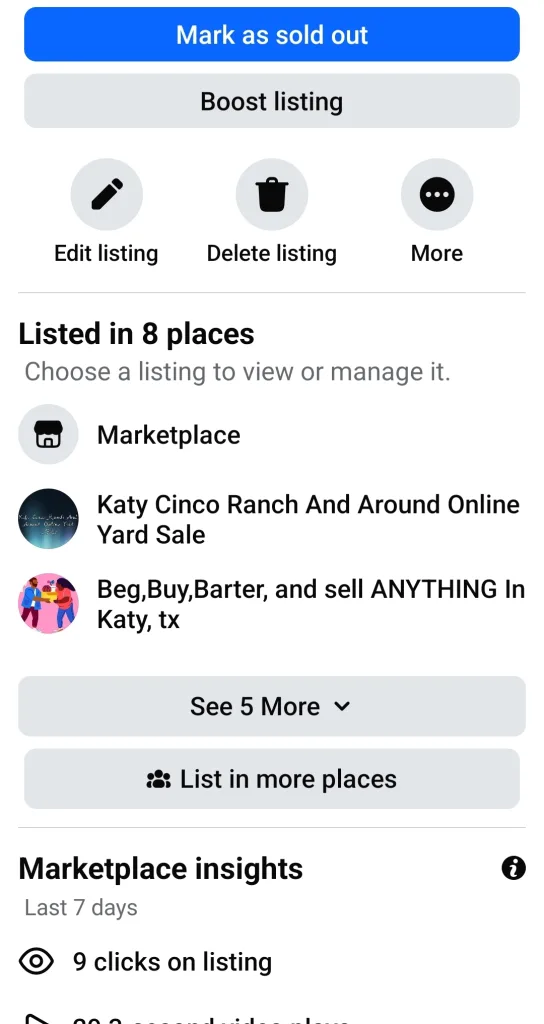
I personally prefer Ebay and Marketplace. Facebook Marketplace is my number 1 go to to sell or purchase quick items locally. A Facebook account is required to use Marketplace. Once you have your photos ready and you’re ready to list, you would go to Facebook’s home page or dashboard and look for the little “shop” icon shown in the photo below. From there you would click on Sell, Create Listing, Select number of items, and then enter the listing details. You can also join nearby groups and list your items with them. Joining groups could give your items more exposure, but it’s not a requirement.
You could also promote your listing. If it’s worth it for you to pay to advertise in exchange for your ad to receive more guaranteed increased exposure, then go for it. It’s not expensive at all, but I would go the free route first to see how it does first. For me, it would need to financially make sense.
Within this guide, you will learn about the best selling platforms tailored to your specific items.

Best Selling Platforms by Category
1. eBay (eBay.com) – Best for Auction and Global Sales
- Best for: Electronics, collectibles, vintage items, fashion, and rare finds
- Fees: 10–15% per sale, plus optional listing fees
- Pros: Global reach, auction-style selling, and strong buyer protection
- Cons: Seller fees can add up, and competition is high
- Pro Tip: Use high-quality images and detailed descriptions. Consider offering free shipping to attract more buyers.
2. Facebook Marketplace (https://www.facebook.com/marketplace) – Best for Local Sales and Furniture
- Best for: Home décor, furniture, appliances, and local items
- Fees: No fees for local sales; 5% for shipped items over $8
- Pros: Large local audience, no fees for in-person transactions, and easy integration with Facebook groups
- Cons: Buyers can be unreliable, and scams are common
- Pro Tip: Join local Facebook buy-and-sell groups to increase visibility and use clear, well-lit photos to showcase items.
3. Etsy (Etsy.com) – Best for Handmade and Vintage Items
Choose wisely; The Art of Decluttering with Purpose: How to Make Money While Downsizing is your roadmap to success.
- Best for: Handmade goods, vintage items (20+ years old), and craft supplies
- Fees: $0.20 per listing + 6.5% transaction fee
- Pros: Targeted audience for handmade and vintage goods, customizable storefront
- Cons: High competition, additional transaction fees
- Pro Tip: Optimize your titles and descriptions with keywords, and offer customizable options to appeal to more buyers.
4. Poshmark (Poshmark.com) – Best for Designer and Name-Brand Fashion
- Best for: Clothing, shoes, handbags, and accessories
- Fees: 20% commission on sales over $15 ($2.95 for sales under $15)
- Pros: Built-in social selling features, prepaid shipping labels
- Cons: High fees, time-consuming social engagement required
- Pro Tip: Share your listings daily and participate in Poshmark parties to boost visibility.
*(Mercari is another app and also Poshmark’s competition. Their prices is usually more competitive and negotiable than Poshmark’s)
5. OfferUp (OfferUp.com) – Best for Local and Everyday Items
- Best for: General household items, furniture, electronics, and tools
- Fees: No fees for local sales; 12.9% for shipped items
- Pros: Easy mobile app, secure payment options, buyer rating system
- Cons: Some scammers and unreliable buyers
- Pro Tip: Always meet buyers in a safe, public place and communicate through the app to avoid scams.
6. 5Miles (5miles.com) – Best for Local Sales with Extra Security
- Best for: Vehicles, services, secondhand items, and home goods
- Fees: Free for most sales; small fee for featured listings
- Pros: Includes safety features like phone verification, in-app chat, and secure transactions
- Cons: Smaller audience compared to Facebook Marketplace and OfferUp
- Pro Tip: Post clear images, use keywords in your description, and verify your profile to gain buyer trust.
7. Craiglist (Craiglist.org) – Best for Large Items and No Fees
- Best for: Cars, furniture, appliances, and free items
- Fees: Free for most listings; small fees for job postings and vehicle listings in some areas
- Pros: No selling fees, large local audience
- Cons: No buyer protection, high scam risk
- Pro Tip: Always meet buyers in a public place, accept cash-only payments, and watch out for fake check scams.
Tips for Making Your Listings Stand Out
- Use High-Quality Photos – Clear, well-lit images make your listing more attractive and help it sell faster.
- Write a Detailed Description – Include brand names, dimensions, condition, and key features.
- Price Competitively – Check similar listings and set a competitive price based on condition and demand.
- Use Keywords – Think like a buyer and include relevant keywords in your title and description to improve search visibility.
- Respond Quickly – Fast responses increase your chances of making a sale.
- Encourage Reviews – Positive ratings build trust and help future buyers feel confident purchasing from you.
Each platform has its own strengths, so choosing the right one for your items can make a huge difference in your selling success.
3. The Price is Right: How to Set Prices That Sell Fast (Without Underselling Yourself!)
Pricing can be tricky, too high, and your items sit forever; too low, and you’re leaving money on the table. Learn how to research comparable sales, factor in condition and demand, and create irresistible deals without feeling like you’re giving things away.
4. Picture-Perfect Sales: How to Photograph Your Items Like a Pro

A good photo can be the difference between a quick sale and crickets. Lighting, angles, and staging play a huge role in attracting buyers. Aim for photos taken in well lit natural lighting spaces where buyers can see the details of the merchandise easily. Also take photos of multiple angles in both still photo and video footage whenever possible. If it’s something that can power on and off, record your powering the item on and off or in working mode.
5. The Ultimate Decluttering Game Plan: Create a Schedule That Works
If decluttering feels overwhelming, it’s because you’re trying to do it all at once. A step-by-step timeline breaks things down into manageable chunks so you stay motivated and make steady progress—without burning out.
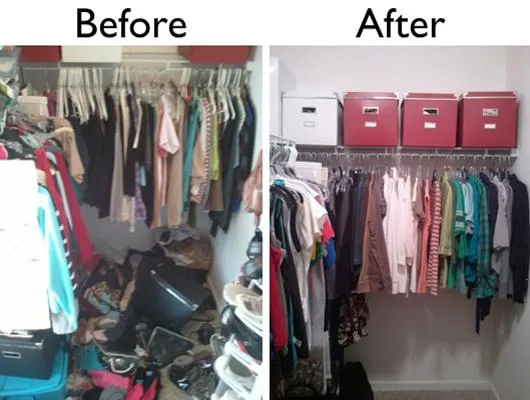
6. Give It New Life: Easy DIY Upcycles to Boost Resale Value
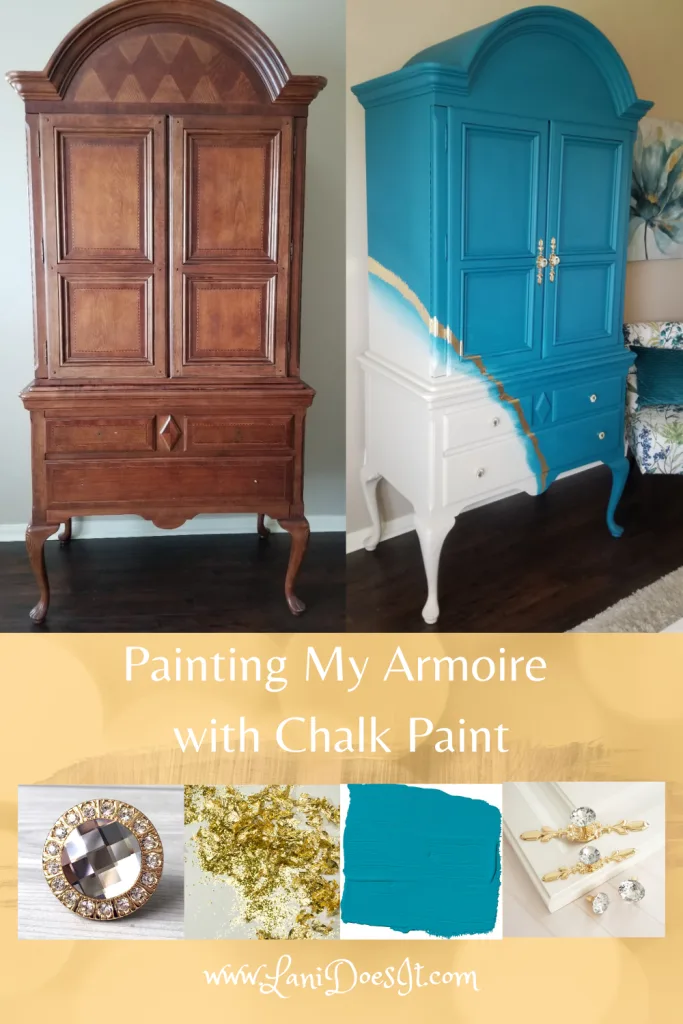
Before you list that old dresser or side table, consider giving it a quick makeover. A little paint, new hardware, or creative repurposing can turn a “meh” item into a must-have. Plus, DIY projects can make your items stand out in a sea of listings. Check out how I painted this thrifted armoire.
7. When to Sell vs. When to Donate: Making Smart Choices
Some things are worth selling, while others are better off being donated. Learn how to decide based on demand, condition, and resale value. Plus, donating can bring unexpected perks—like tax deductions and feel-good vibes.

Decluttering is exciting, but when you’re staring at a pile of stuff, it’s easy to feel stuck. Should you sell this? Donate it? Is it even worth anything? Instead of guessing, let’s break it down into three key factors: demand, condition, and resale value.
1. Demand: Is There a Market for It?
Before listing an item for sale, ask yourself: Do people actually want this? Some items are highly sought-after, while others might be better off being donated. Here’s how to gauge demand:
✅ High Demand Items (Sell These!)
- Brand-name or designer fashion (Nike, Coach, Lululemon)
- Tech gadgets & electronics (iPhones, gaming consoles, headphones)
- Home decor & furniture (modern, vintage, mid-century, farmhouse styles)
- Collectibles & rare finds (sports memorabilia, vintage Pyrex, discontinued toys)
- New or unopened items (appliances, beauty products, tools)
Low Demand Items (Donate These!)
- Fast fashion (trendy but low-quality pieces from Shein, Forever 21)
- Outdated electronics (DVD players, bulky TVs, old printers)
- Basic kitchenware (used plastic containers, generic coffee mugs)
- Worn-out linens & towels (unless in excellent condition)
- Common books (romance novels, old textbooks that are out of date)
Pro Tip: Not sure if your item is in demand? Search for it on platforms like eBay or Facebook Marketplace. If you see lots of recent sales, it’s a good sign!
2. Condition: Is It Worth Selling?
The condition of an item plays a huge role in whether someone will pay for it. Ask yourself the following:
Like-New or Gently Used? (Sell!)
- Clothing with no stains, tears, or fading
- Electronics that work perfectly with all accessories (although expensive electronics are often sold for parts)
- Home decor that looks stylish and well-maintained
- Furniture with no major damage, scratches, or missing pieces
Moderate Wear? (Consider Upcycling Before Selling!)
- Wooden furniture with minor scuffs (easy to repaint or stain)
- Clothing with small flaws (can be mended or sold at a discount)
- Shoes with minor wear (a quick clean-up can increase value)
Worn-Out or Broken? (Donate or Recycle!)
- Torn, stained, or overly faded clothing
- Electronics that don’t work (unless they can be repaired)
- Cracked dishes or glassware
- Old, sagging furniture that needs major repairs
Pro Tip: If an item is borderline, clean it up before deciding! A quick wash, polish, or minor repair can turn a “donate” item into a sellable one.
3. Resale Value: Is It Worth the Effort?
Not every item is worth selling, even if it’s in demand. Some things take too long to sell or don’t bring in enough cash to justify the effort. Try selling bundles if selling locally, for example a bundle of kitchen utensils, cups and bowls, versus just bowls or just cups.
Sell It If…
- It’s worth at least $15-$20 or more
- You can sell it quickly (within a few weeks)
- You have multiple similar items to bundle together (e.g., baby clothes, books)
Donate It If…
- It’s only worth a few dollars
- It would take months to sell
- It’s something charities could use (coats, backpacks, blankets)
Pro Tip: If an item isn’t selling after a few weeks, drop the price or move it to a donation pile to avoid cluttering your space.
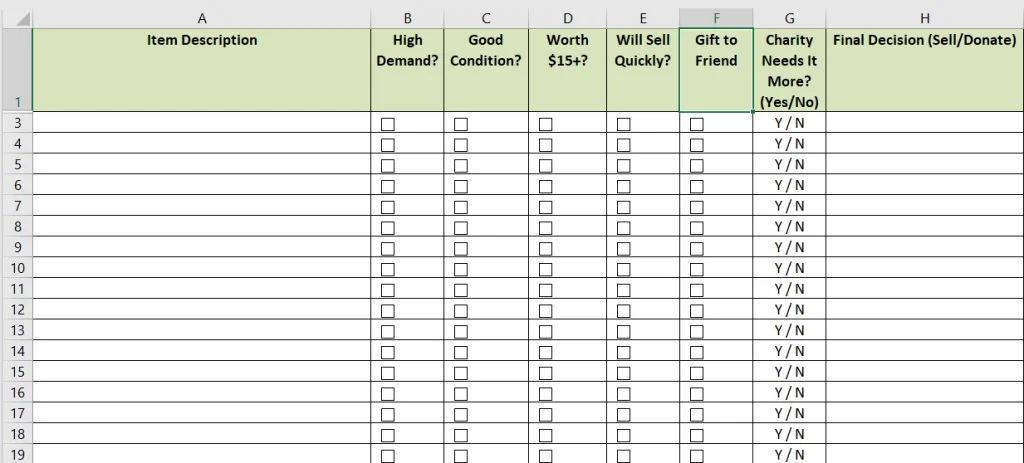
Quick Decision Chart: Sell or Donate?
Use The Art of Decluttering with Purpose: How to Make Money While Downsizing to capture the best photos for your listings.
| Question | If Yes, Sell It | If No, Donate It |
|---|---|---|
| Is this item in high demand? | ✅ Sell | 🚫 Donate |
| Is it in good condition (or can be easily cleaned)? | ✅ Sell | 🚫 Donate |
| Will I make at least $15+ from it? | ✅ Sell | 🚫 Donate |
| Will it sell quickly? | ✅ Sell | 🚫 Donate |
| Does a charity need it more than I need the cash? | 🚫 Donate | ✅ Donate |
Download My Sell Or Donate Checklist (See Preview Below)
Garage Sale vs. Estate Sale: Selling Before Relocating or Downsizing

If you’re preparing for a move or major downsizing, selling items individually online can feel overwhelming. That’s where garage sales and estate sales come in! These methods allow you to sell multiple items in one go—but they come with their own challenges. Let’s break down how to prepare, what works best for each option, and the pros and cons compared to selling online or donating.
1. Garage Sale: The Classic Declutter Event
A garage sale (or yard sale) is a DIY selling event where you set up items outside your home and invite people to shop. This is great for selling a variety of household items quickly.
How to Prepare for a Garage Sale
✅ Pick a Good Date – Weekends (especially Saturdays) are best. Start early (7-8 AM).
✅ Advertise Locally – Post on Facebook Marketplace, Craigslist, Nextdoor, and put up street signs.
✅ Price Everything Clearly – Use stickers, and consider bulk pricing (e.g., “3 books for $5”).
✅ Organize by Category – Display similar items together (clothing on racks, kitchen items on a table).
✅ Have Change Ready – Keep small bills and coins handy for cash purchases.
✅ Be Prepared to Haggle – Shoppers expect to negotiate, so price items slightly higher.
Best for Selling:
- Clothing (casual, baby/kids, plus size clothing, bulk deals)
- Toys, books, home decor
- Small kitchen appliances, dishes, tools
- Furniture (but expect low offers)
Pros & Cons of a Garage Sale
| Pros | Cons |
|---|---|
| Clears out a large number of items in one day | Requires effort to organize and set up |
| No need for shipping or listing items online | Prices are typically lower than selling online |
| Can be a fun community event | Risk of unsold items left over |
| Immediate cash from buyers | Weather-dependent (rain could ruin your sale) |
Pro Tip: Bundle smaller items (e.g., 5 books for $10, a bag of baby clothes for $20) to sell more and make the event worth it.
2. Estate Sale: A Professional Take on Downsizing

An estate sale is a larger-scale event, often run by a professional estate sale company. It’s ideal if you’re downsizing drastically or handling a full household liquidation before moving. Unlike garage sales, estate sales are typically held inside your home, where everything is priced and sold like a walk-in thrift store. Having an Estate sell can be less work. Leave everything staged the way it is with price tags. However, make smaller items easily accessible. Once the sell ends you’ll now have less to pack, sell or donate.
How to Prepare for an Estate Sale
✅ Decide What’s for Sale – Estate sales often include furniture, decor, kitchenware, collectibles, and even vehicles.
✅ Hire an Estate Sale Company (Optional) – Professionals handle pricing, advertising, and hosting for a percentage of sales.
✅ Organize and Stage Your Home – Keep the house neat so buyers can browse easily.
✅ Price Fairly but Competitively – Estate sales attract serious buyers looking for deals.
✅ Allow Payment Options – Estate sale companies usually accept cash and cards.
Best for Selling:
- High-value furniture & antiques
- Collectibles & vintage items
- Fine china, crystal, or silverware
- Luxury brands (designer bags, watches, artwork)
Referring back to this guide and sharing this with others will enhance your selling strategy and help family and friends to be supportive while also understanding your goals in mind.
Pros & Cons of an Estate Sale
| Pros | Cons |
|---|---|
| Can make significantly more money than a garage sale | Professional companies take a commission (20-50%) |
| Attracts serious buyers looking for high-value items | Requires at least a few weeks of planning |
| No need to personally haggle—prices are set | Some valuable items may still go unsold |
| Can clear out nearly everything in one weekend | Requires access to your home for shoppers |
Pro Tip: If hiring a professional isn’t in your budget, you can host your own estate sale using online platforms like EstateSales.net to advertise.
Garage Sale vs. Estate Sale vs. Selling Online: Which One is Best?
| Factor | Garage Sale | Estate Sale | Selling Online (eBay, Marketplace, etc.) |
|---|---|---|---|
| Best for: | Everyday household items | High-value furniture, antiques, luxury brands | Collectibles, tech, clothing, brand-name items |
| Effort Level | High (setup, pricing, selling in-person) | Moderate (if hiring professionals) | High (photographing, listing, shipping) |
| Money Earned | Low to moderate | High (but a % goes to the estate company) | High (if selling valuable items individually) |
| Speed | Immediate (one-day event) | Immediate (weekend event) | Slower (waiting for buyers) |
| Leftover Items? | Likely (may need to donate leftovers) | Less likely (estate sales clear out most items) | Yes (if items don’t sell) |
Final Thought: Which Option Should You Choose?
✔️ If you need to sell FAST → Garage Sale
✔️ If you have high-value furniture & antiques → Estate Sale
✔️ If you want max profit per item → Sell Online
✔️ If you just want stuff gone → Donate!
Declutter, Downsize & Move with Ease: Must-Have Essentials
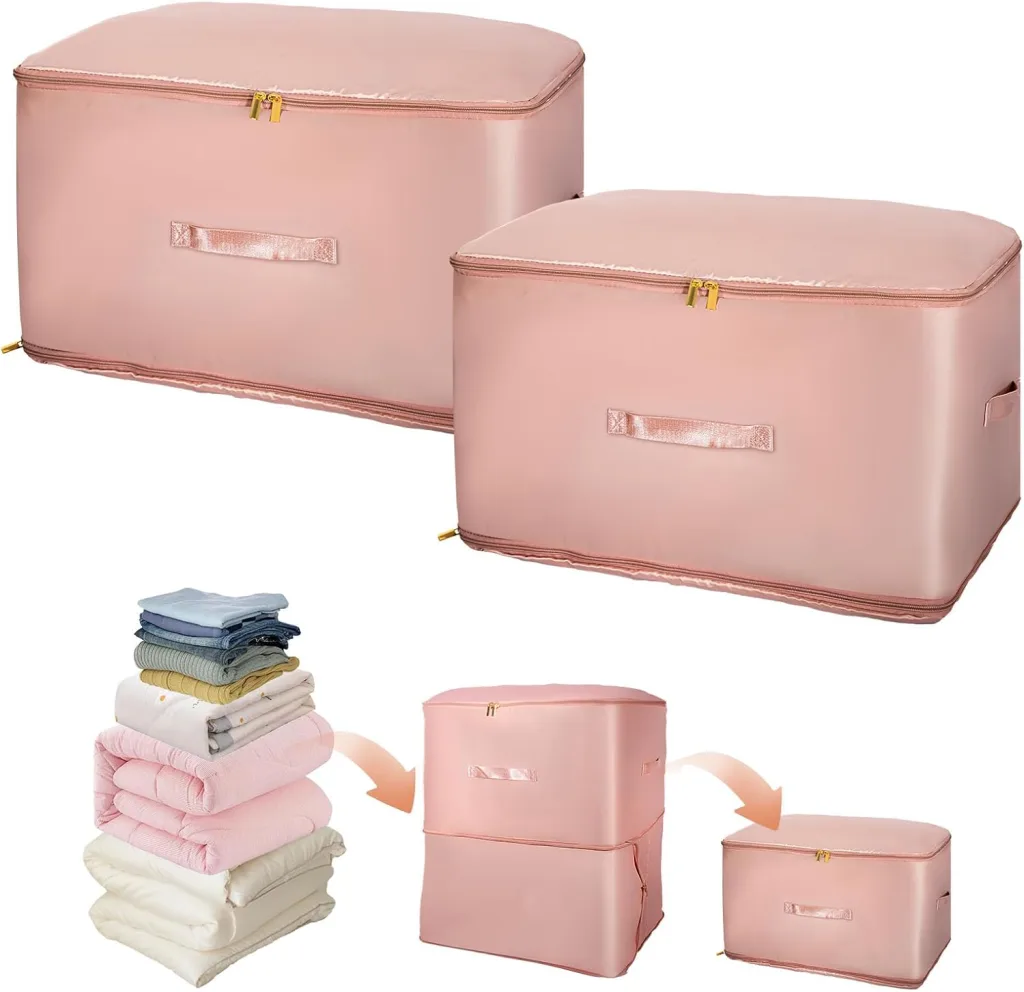
Streamline your move, maximize space, and make money while downsizing with these carefully selected must have essentials. Whether you’re selling items, packing up for a move, or settling into a smaller space, these tools will keep you organized, efficient, and stress-free.
Decluttering & Selling Essentials
- Digital Kitchen Scale – Ideal for weighing small items like jewelry or designer accessories before selling online. Ensures accurate shipping costs.
- Label Maker – Helps categorize items for sale, donation, or keeping, making the sorting process seamless.
- Resealable Poly Mailers & Bubble Mailers – Perfect for shipping clothing, accessories, and small items sold on eBay, Poshmark, or Mercari.
- Packing Tape Dispenser & Shipping Scale – A must-have for efficiently mailing out sold items without the hassle of post office guesswork.
Packing & Moving Must-Haves
- Heavy-Duty Moving Boxes – Sturdy, stackable boxes for safely transporting household items.
- Vacuum Storage Bags – Reduce bulk for clothing, bedding, and linens, making more space in moving boxes or luggage.
- Plastic Storage Bins with Lids – Ideal for non-perishable food, sentimental items, or long-term storage.
- Furniture Sliders & Lifting Straps – Make moving heavy furniture easier without scratching floors or straining your back.
- Moving Blankets & Stretch Wrap – Protect furniture, mirrors, and fragile items from damage in transit.

Organizational Tools for Downsizing
- Under-Bed Storage Containers – Great for optimizing space in a smaller home or apartment.
- Hanging Closet Organizer & Space-Saving Hangers – Helps fit more in a smaller closet when downsizing.
- Drawer Dividers & Storage Baskets – Keep essentials tidy and easy to access in a new, smaller space.
Storage & Temporary Living Essentials
- Climate-Controlled Storage Covers – Protects furniture and mattresses stored long-term from moisture and dust.
- Portable Garment Rack – Useful for sorting clothing before donating, selling, or packing.
- Collapsible Laundry Baskets – Handy for moving day, short-term stays, or organizing clothes while decluttering.
Choosing the Best Moving Option for Your Downsizing Journey
Once you’ve decluttered and sold or donated your unwanted items, the next big step is figuring out how to move what’s left. Whether you’re moving across town or across the country, picking the right method can save you time, stress, and money. Below are the different moving options, storage considerations, and key packing tips to make your transition as smooth as possible.
1. Moving Options: What Works Best for Your Situation?
DIY Moving Truck Rental (Budget-Friendly, Hands-On)
Best for: Short-distance moves, those who prefer control, and people with help from family or friends.
- Pros: More affordable, flexible timing, full control over packing and handling items.
- Cons: Requires heavy lifting, driving a large truck, potential extra fees for mileage, gas, and insurance.
- Tip: Rent your truck early—weekends and end-of-month dates book up quickly.
Portable Storage Containers (PODS, U-Pack, etc.)
Best for: Those who need flexibility and want to pack at their own pace.
- Pros: No need to drive, storage and transport combined, good for cross-country moves.
- Cons: Expensive for long-term storage, some HOA restrictions may prevent keeping containers at home.
- Tip: This is a great option if you’re unsure where you’re relocating but need to keep items safe.
Hiring Professional Movers (Less Work, Higher Cost)
Best for: Long-distance moves, busy schedules, and people with large furniture.
- Pros: No heavy lifting, fast and efficient, insured for damages.
- Cons: Expensive, potential for delays or lost/damaged items, requires advance booking.
- Tip: Get at least three quotes and check reviews before hiring movers to avoid scams.
Shipping Items Separately (FedEx, USPS, U-Haul U-Box, etc.)
Best for: Small moves, students, or those moving overseas.
- Pros: No need for a moving truck, convenient for long-distance relocations.
- Cons: Can be expensive for heavy or bulky items, risk of lost packages.
- Tip: Insure valuable or fragile items for extra protection.
Decision Chart: Which Moving Option is Right for You?
| Move Type | Best Option |
|---|---|
| Moving locally with furniture? | DIY truck rental or hiring movers |
| Moving across the country? | Portable storage or professional movers |
| Downsizing to a small space? | Sell bulky items and ship essentials |
| Need temporary storage before moving? | Portable storage containers |
| Moving internationally? | Shipping items via freight or professional moving services |
2. Storage: When (and When Not) to Pay for It
Long-term storage may seem like a convenient solution, but it can quickly become a financial burden. Here’s what to consider before renting a unit.
When Storage Makes Sense
- If you have a short gap between moves and need a temporary place for items.
- When moving into a smaller home and need time to determine what fits.
- If you’re keeping sentimental items such as family heirlooms or seasonal decorations.
When Storage is Not Ideal
- If you’re storing items just to avoid making a decision.
- For long-term moves where storage costs outweigh the value of the items.
- If you’re keeping furniture you “might” use again but don’t have a real plan for.
Tip: If you’re paying for storage longer than six months, ask yourself: Would it be cheaper to replace these items rather than store them?
3. Packing Smart: What to Know Before Moving & Storing
Finding Boxes & Storage Bins in Advance
- Ask local grocery stores, liquor stores, and bookstores for free boxes.
- Invest in plastic storage bins for fragile or valuable items.
- Use wardrobe boxes for hanging clothes to avoid folding.
- Label everything clearly to make unpacking easier.
Why Temperature-Controlled Storage Matters
If you must rent a storage unit, temperature control is essential for protecting certain items.
- Avoid extreme heat or cold: Electronics, wooden furniture, and vinyl records can warp.
- Prevent moisture damage: Books, documents, and clothing can develop mold in humid conditions.
- Keep valuables safe: Antiques, leather, and expensive fabrics need protection from dust and pests.
Climate controlled storage covers are also an option for items such as protection for furniture and mattresses stored long-term from moisture and dust.
Why You Should Never Store Food in Boxes
Even non-perishable food can attract unwanted pests if stored improperly.
- Mice and insects can chew through cardboard boxes (I know from experience, sadly)
- Always use plastic storage bins with tight-sealing lids for non-perishable foods.
- Store pet food in sealed containers to prevent infestations.
- Check expiration dates before packing—sometimes it’s easier to donate food than move it.
I recommend getting plastic storage bins. They’re protective from pests/rodents. Mice can also chew through fabric storage containers. They’ll actually even use the fabric to build a nest, so nope to those for me too. They’re also stackable and protects fragile items. I purchased about 20 for my move from state to state. I got a few that had rollers on them too. Those come in handy for seasonal items that are stored, but used at a later time. For me this was seasonal holiday items.
I labled each of my store units on the sides and front so that all items could be quickly identified and prioritized when moving.
Final Thoughts: Make the Right Choice for Your Move
Downsizing isn’t just about decluttering—it’s about moving smart. Whether you choose a DIY truck, shipping, professional movers, or storage, planning ahead can save you stress, money, and effort.
Key Reminders:
- Sell or donate items that won’t fit in your new space before moving.
- Choose a moving option based on distance, budget, and time constraints.
- Avoid long-term storage unless absolutely necessary.
- Pack wisely, label everything, and secure fragile or valuable items properly.
Managing Doubt, Overthinking & Emotional Stress

Moving abroad can stir up doubt, overthinking, and emotional stress, especially when loved ones express concerns about your move. Below, I’ve provided some tips to stay ground that has worked for myself and others when relocating.
Tips to Stay Grounded
- Acknowledge your emotions…it’s normal to feel unsure.
- Limit external opinions, friends and family may be sad, but this is your journey.
- Remind yourself of your “why.” Write down your reasons for moving.
- Practice stress control—meditation, deep breathing, or journaling.
- Give yourself permission to return! Relocation isn’t always permanent.
- Seek professional guidance—a coach or therapist can help process emotions.
Your freedom means you get to explore without pressure. If it doesn’t feel right, you can always pivot. Relocating is a fresh start, embrace the freedom of less while maximizing your profits. By selling wisely, planning ahead, and letting go with intention, you’ll step into your new adventure without unnecessary baggage.
Celebrate Your Fresh Start: How to Maintain a Clutter-Free (and Profitable) Home
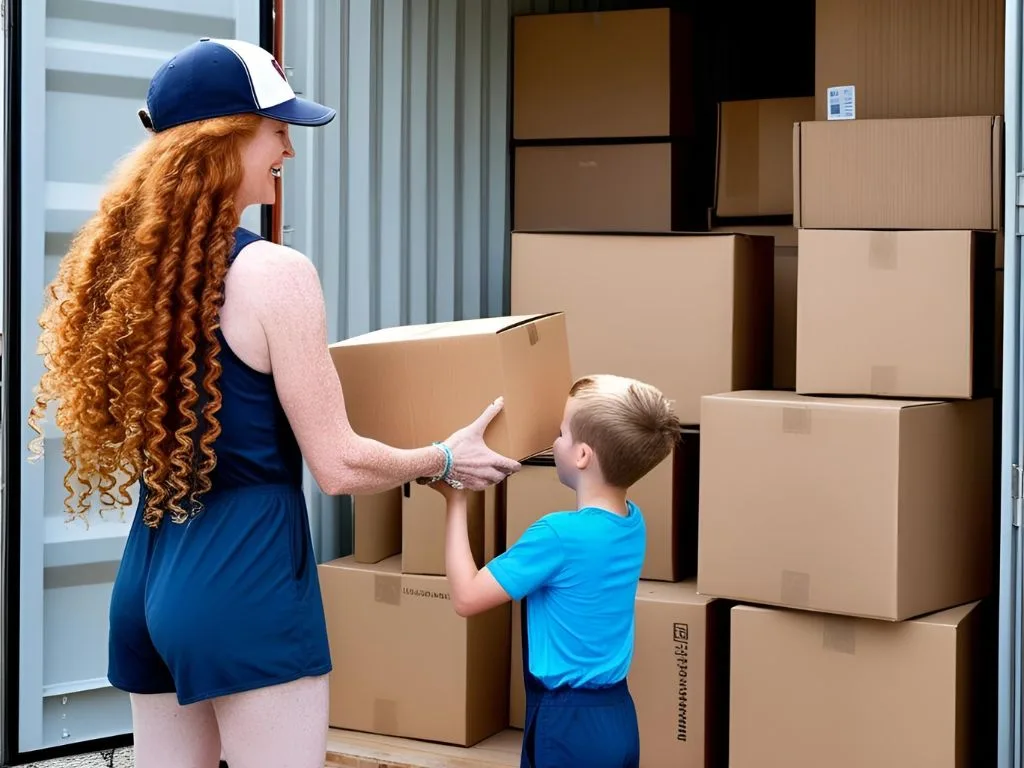
Once you’ve decluttered, it’s time to create habits that keep your space organized and stress-free. Whether it’s a monthly “sell or donate” session or a one-in, one-out rule, staying clutter-free means more mental clarity and financial wins in the long run. Check out my post on living a minimalist lifestyle.
A Leap Of Faith: My Personal Relocation Experience

There comes a moment in life when you just know, it’s time to move. You may not have all the answers, but something deep inside tells you that where you are no longer serves you. That moment came for me when I was living in Michigan. I had a good enough life, but I wanted more than just “good enough.” I wanted better opportunities, a stronger economy, and a chance to truly thrive.
At the time, I was a single mom to a 13-year-old and had a senior dog named Chico. I had no real safety net, no relatives or friends waiting on the other side to make my transition easier. All I had was faith and $900 to my name. But when the feeling is strong enough, and you know deep down that it’s time to move, you listen.

I did my research. I knew I needed a city where I could build, grow, and create a life beyond just getting by. I narrowed my options down to two places: Seattle or Dallas. Both offered promise, but Dallas called to me more. A friend who once lived there spoke highly of it, and while she eventually returned to Michigan, her words stayed with me. Texas just made sense.
I took a practical approach to my leap of faith. I secured remote work with the Census Bureau and continued as a cosmetic freelancer for MAC Cosmetics, ensuring I had some financial stability. I found an apartment in suburban Dallas that had a move-in special, just one penny to get the keys. My entire move cost $611 with UPack’s shipping pod service, leaving me with less than $300 for gas and essentials.

In those last moments before leaving, I had to make quick decisions. Not everything could fit in my UPack pod or my car. Craigslist became my best friend as I gave away things I once held onto tightly. But I learned something in that process: when you let go of things, you create space for something new.
The journey wasn’t easy, but I made it. Looking back, it was the best decision I ever made. If I had stayed in Michigan, I would have lived a content life, surrounded by the same circumstances that shaped generations before me. But I wanted to break the cycle. I wanted to be the one who stepped out on faith and proved that life could be more than just surviving, it could be thriving.

Today, I live in one of Houston’s top suburbs, in my own home, with two more dogs (and two fish), and I work full-time doing what I love. That move, that leap, set everything in motion.
If you’re feeling that pull, that nudge, that whisper in your spirit telling you it’s time to go, listen. When God gives you signs, trust them. It’s better to take the leap and have to reroute than to spend your life wondering what could have been. Don’t let fear hold you hostage in a place that no longer aligns with who you’re becoming. Trust that your next chapter is waiting, you just have to be willing to turn the page.
That is all yall! Thanks for checking out my post on The Art of Decluttering with Purpose: How to Make Money While Downsizing. I hope you’ve been INSPIRED!
Stay in touch by subscribing or follow me on most platforms @lanidoesit