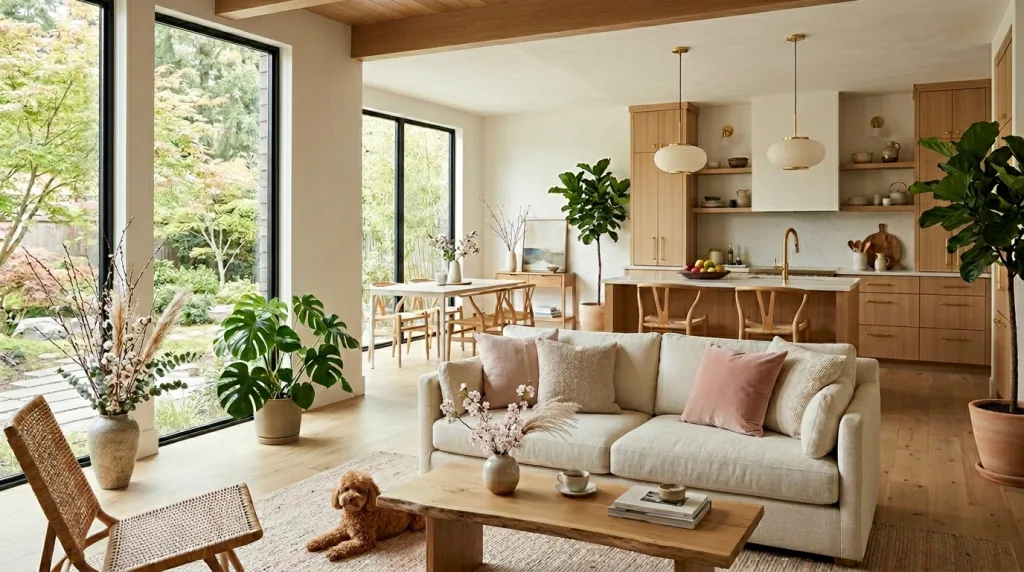
What is Japandi Style?
Hey y’all! If you’ve been dipping your toes into home styling lately, it won’t take long before you hear someone mention Japandi. And honestly, once you understand it, you start seeing why everyone’s obsessed. In today’s blog post, How to Incorporate Japandi Style for a Cozy Minimalist Home, we’re getting cozy with the origins of this style and why it keeps showing up in modern homes across the U.S., especially for folks looking for calm without sacrificing personality.
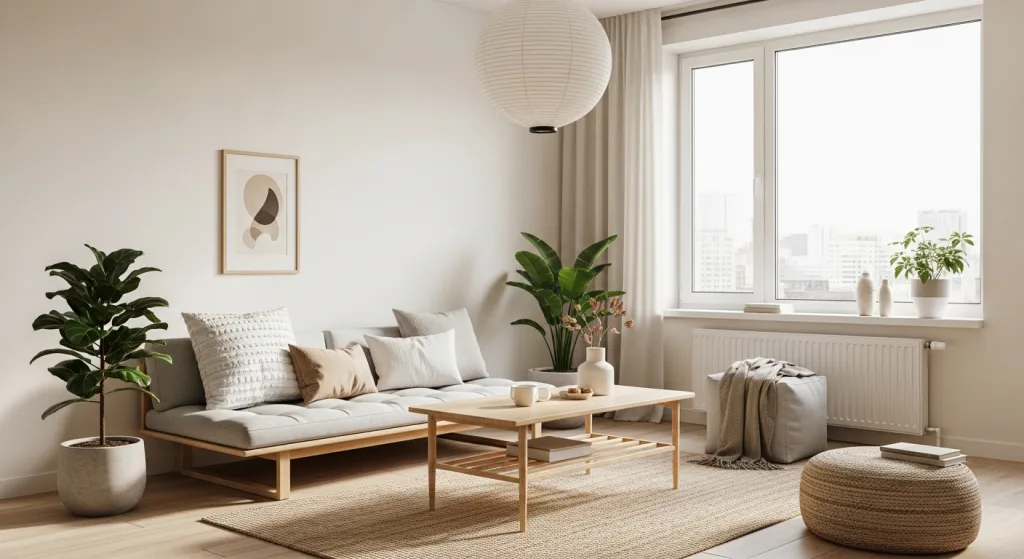
Think Japandi interior design style ideas as the world’s perfect handshake between Japanese simplicity and Scandinavian comfort, clean, warm, and lived-in instead of cold or overly polished.
So where did Japandi actually come from? The style blends Japanese design principles, which focus on craftsmanship and intentional living, with Scandinavian ideas about comfort and practicality. Both cultures value nature, quiet beauty, and spaces that feel peaceful rather than crowded. That shared mindset is why so many Japandi interior design style ideas feel instantly relaxing, natural wood tones, soft textures, and pieces that look like they belong instead of just filling space. It’s less about decorating for show and more about creating a home that feels grounded after a long Houston workday (because let’s be real, we all want our homes to exhale with us).
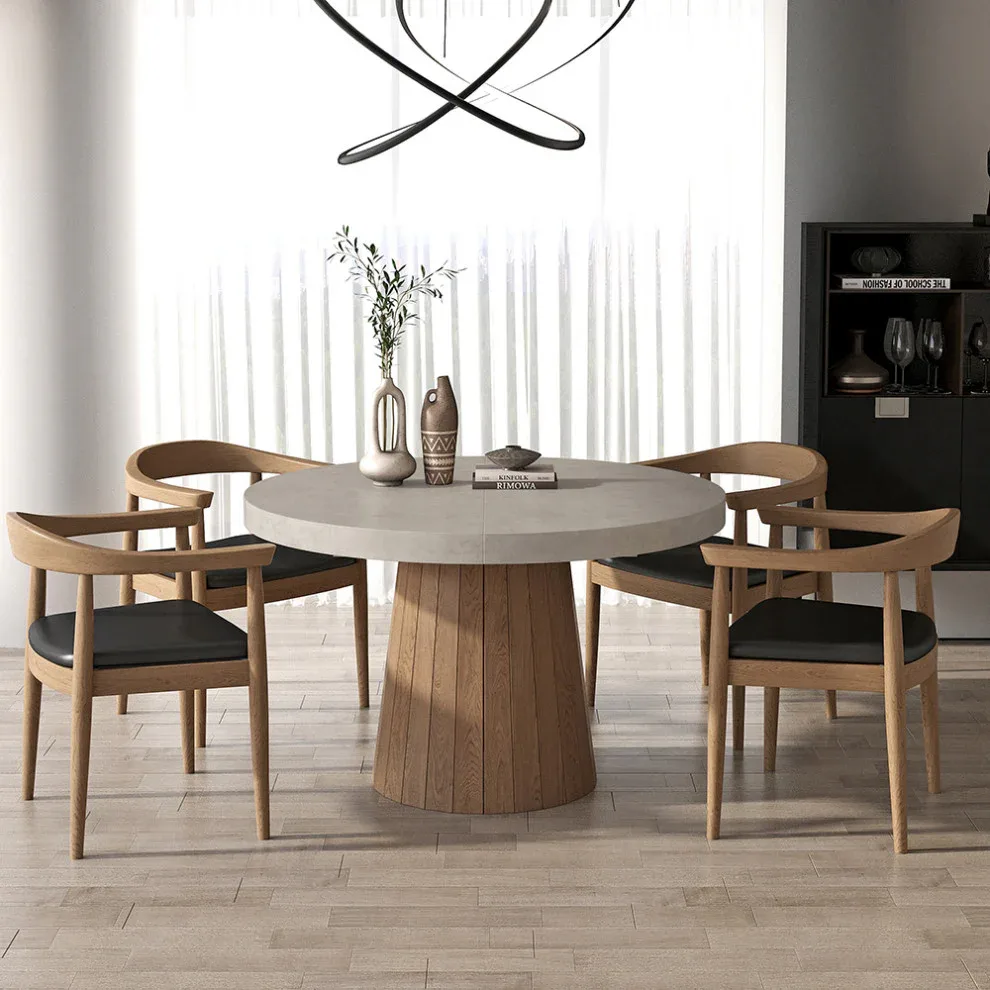
At its core, Japandi runs on one simple philosophy: simplicity plus warmth. Traditional minimalism sometimes gets a bad reputation for feeling stark or even a little unfriendly, but Japandi softens those edges. You still get the calm of minimalist interior design, but layered with cozy materials, earthy colors, and meaningful accents.
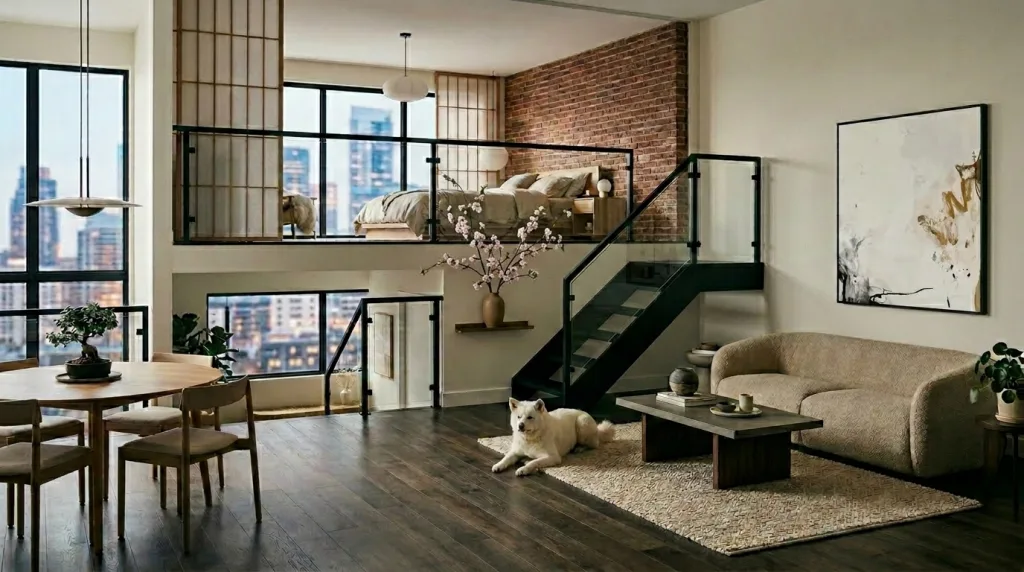
This is where japandi decorative objects come in, handmade ceramics, textured vases, woven pieces, or a sculptural lamp that quietly steals the spotlight. Instead of filling shelves with random decor, every item has a purpose or story, which is one of those underrated interior design tips and tricks that instantly makes a space feel thoughtful.
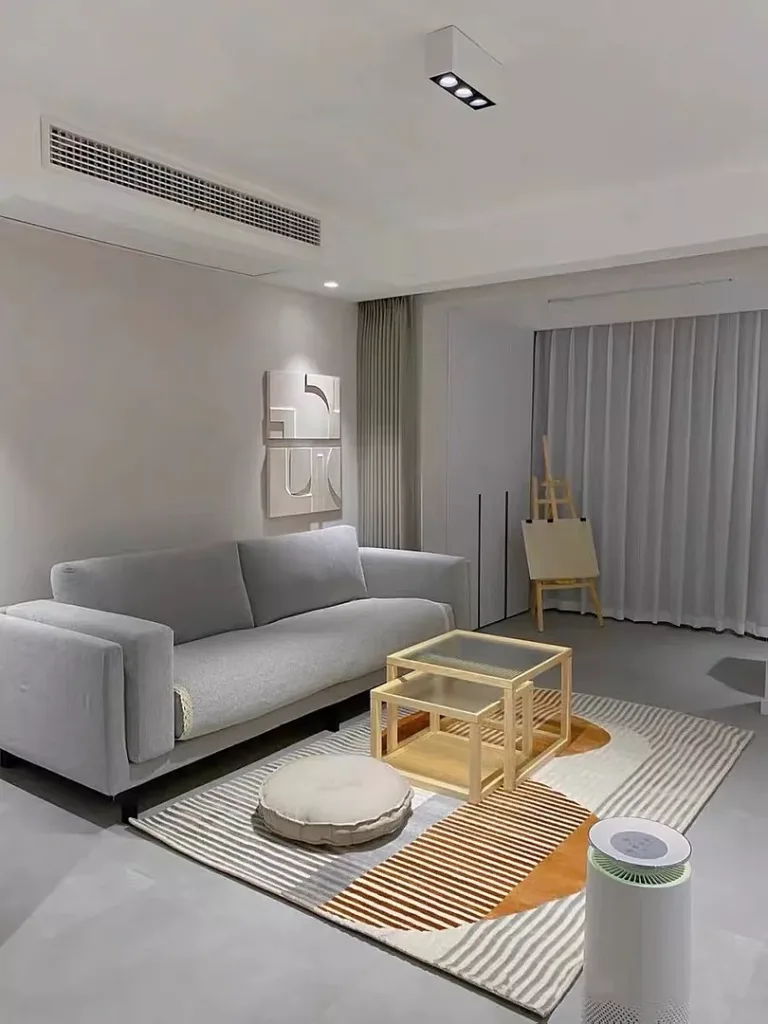
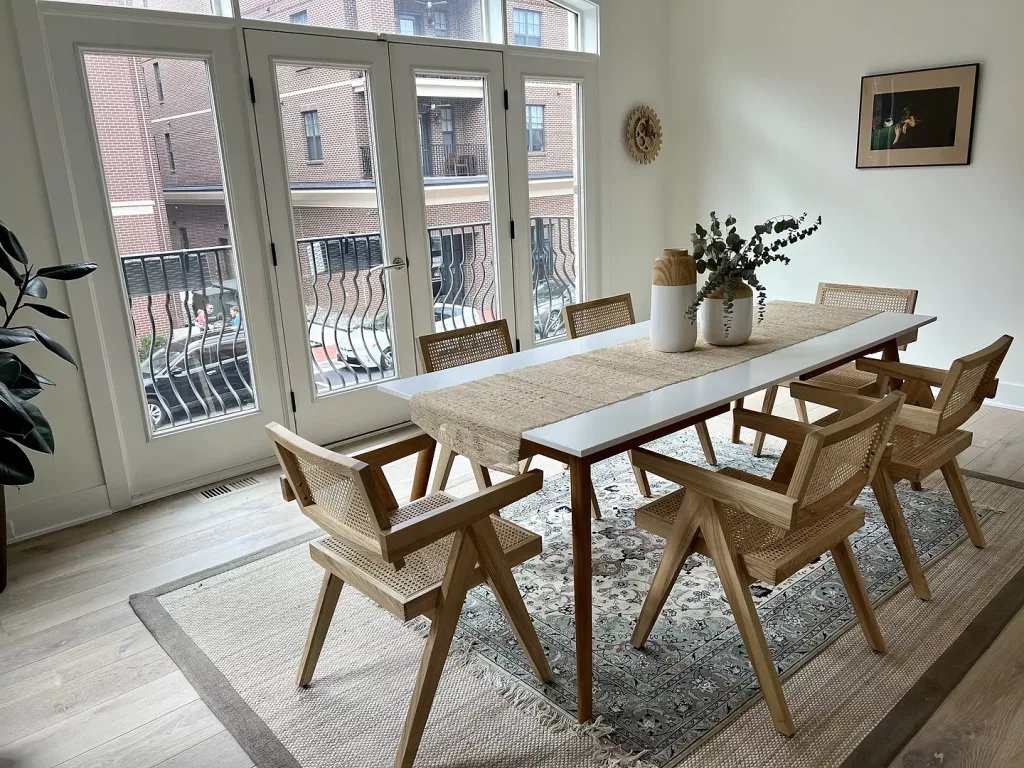
Now let’s clear up the big confusion: minimalism and Japandi are not twins, more like cousins. Minimalism asks, “What can I remove?” while Japandi asks, “What can stay that adds comfort?” That small shift is why the style works so well in modern homes today. People still want uncluttered rooms, but they also want warmth, culture, and personality woven into their minimalist home decor ideas. Understanding this difference is the real goal before you start buying furniture or repainting walls. Once you grasp the mindset behind Japandi, decorating stops feeling overwhelming and starts feeling intentional, and hey friends, that’s when your home finally begins to feel like you.
The Core Principles Behind Japandi Interior Design
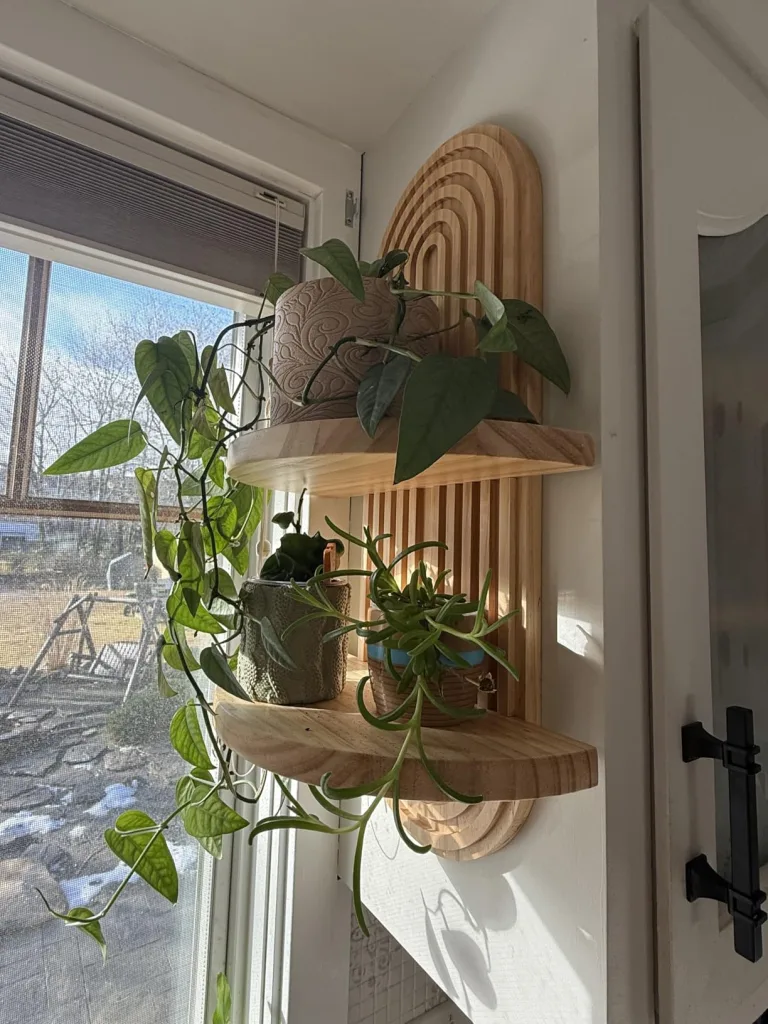
Before you start swapping furniture or adding new decor, it helps to understand the mindset behind Japandi because the style really begins with a few simple rules. The Core Principles Behind Japandi Interior Design all come down to one idea: your home should work for your life first, then look good doing it. Functionality always leads the conversation here. Every chair should be comfortable, every table should serve a purpose, and nothing exists just to fill an empty corner. Among the best interior design tips and tricks, this one changes everything, when your space works smoothly, it automatically feels calmer and more welcoming.
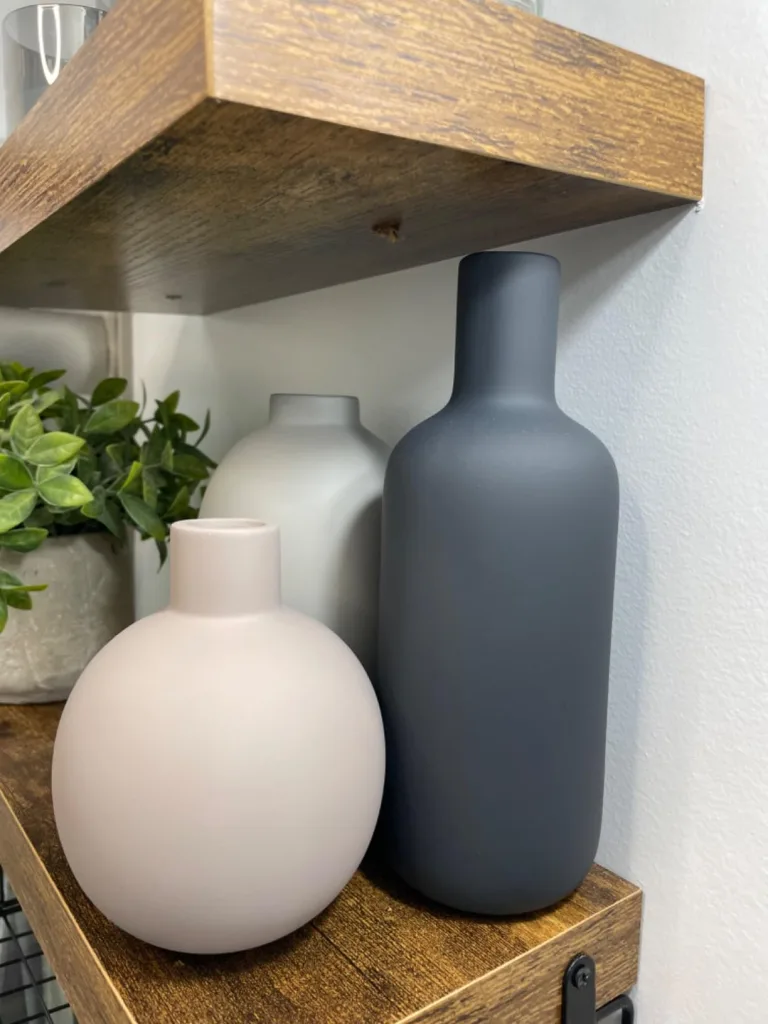
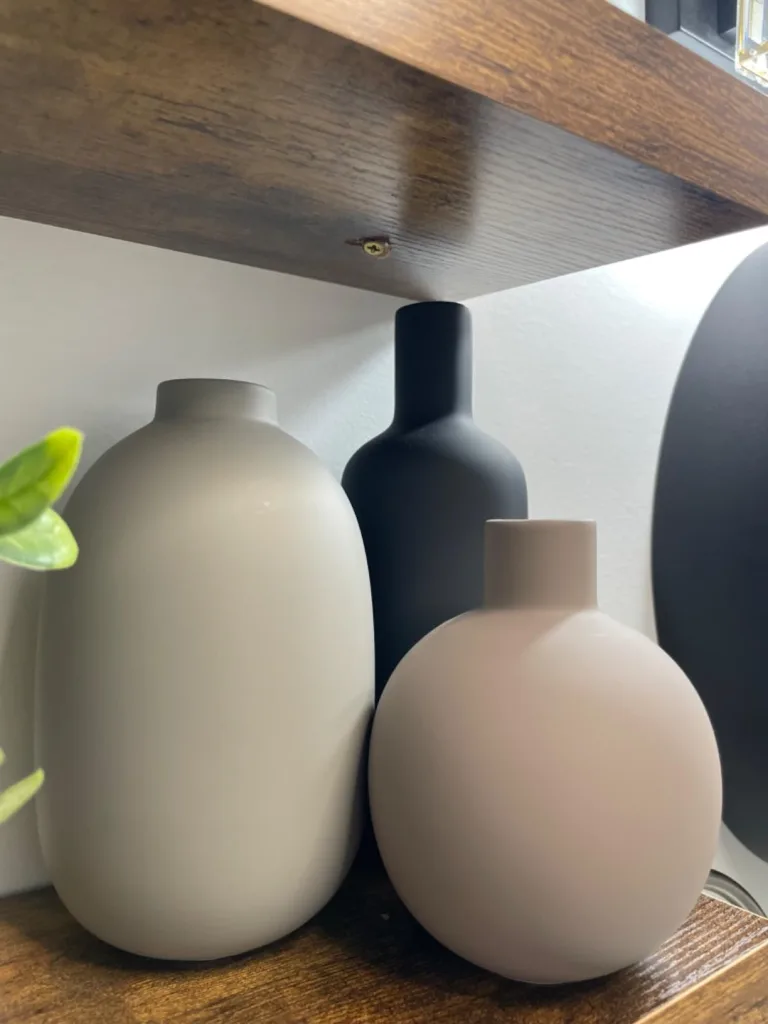
Another big piece of Japandi is intentional living. Instead of decorating all at once, you choose items slowly and thoughtfully, keeping only what truly adds value to your daily routine. This is why many Japandi interior design style ideas focus on natural materials and quiet details inspired by nature, wood grains, linen textures, soft earth tones, and sunlight becoming part of the design itself. Nature isn’t treated like an accessory; it becomes the mood of the home. You’ll notice that even japandi decorative objects tend to feel organic and handmade, almost like they belong there naturally rather than trying to grab attention.
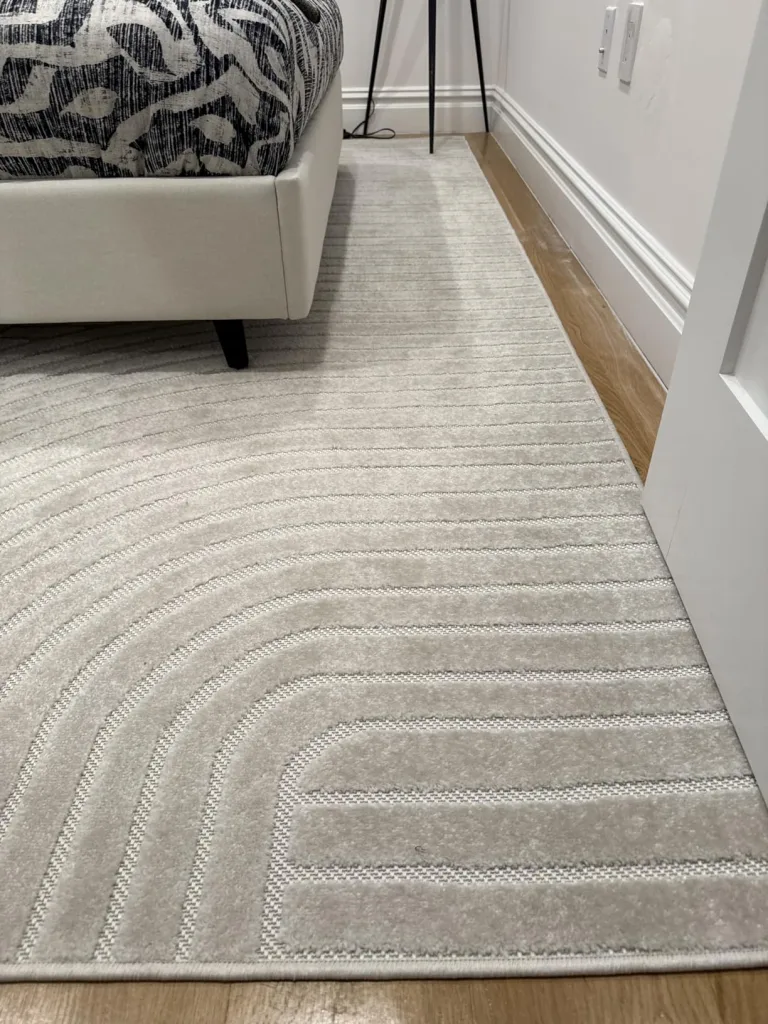
Finally, Japandi lives in the sweet spot between beauty and usefulness, where quality always wins over quantity. Instead of buying five trendy pieces, you invest in one well-made item that lasts for years. This approach blends perfectly with minimalist interior design because it keeps clutter low while still feeling warm and personal. When you follow these principles, your space starts to reflect thoughtful minimalist home decor ideas without feeling empty or strict. Think of this section as your design compass, once you understand these foundations, every choice you make later in the article becomes easier and more intentional.
How to Choose a Calm and Natural Japandi Color Palette
Alright y’all, let’s talk color, because before furniture, before decor, before you fall in love with that chair you saw online at 2 a.m., the real magic of Japandi starts with the palette. When it comes to Choosing a Calm and Natural Japandi Color Palette, think less “bold statement wall” and more “deep breath the moment you walk in.” Japandi color choices are meant to slow your mind down, not wake it up. One of the smartest interior design tips and tricks is realizing that color sets the emotional temperature of your home, and Japandi keeps things calm, grounded, and quietly beautiful.
Here’s the easy framework designers secretly follow (and yes, you can absolutely steal this for your own space):
- Start with neutral base colors – warm whites, soft beige, creamy taupe, or light gray walls create that peaceful foundation common in minimalist interior design.
- Layer earth tones – think clay, sand, olive, muted brown, or stone shades inspired by nature. These bring warmth without overwhelming the room.
- Add muted accents – dusty blues, sage green, or faded terracotta work beautifully instead of loud, high-energy colors.
- Mix warm and cool tones carefully – pair warm woods with cooler textiles or soft gray fabrics so the room feels balanced, not flat.
- Follow a simple formula – 60% neutral base, 30% natural tones, 10% accent color. Easy, foolproof, and very Japandi-approved.
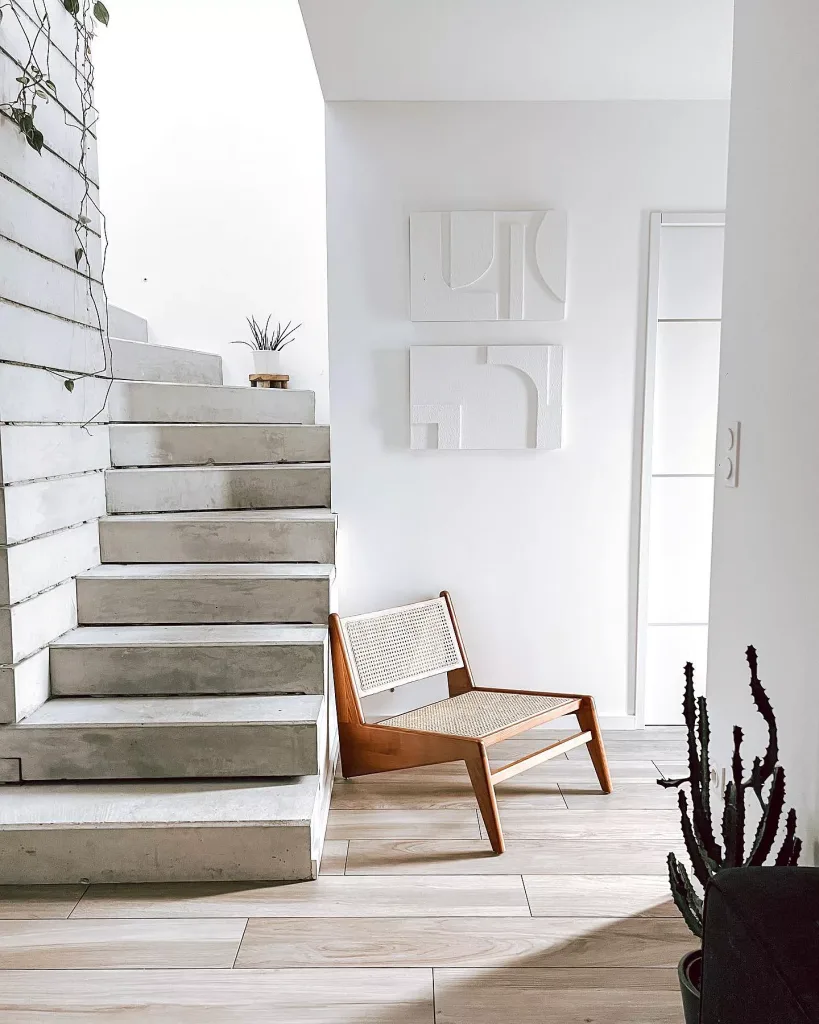
What makes this palette special is how it bridges cozy and minimal at the same time, something many Japandi interior design style ideas do effortlessly. Unlike strict minimalism, which can lean cold, Japandi colors feel sun-warmed and welcoming, especially when paired with natural textures and thoughtful japandi decorative objects like ceramics or linen pieces.
The result fits perfectly into modern minimalist home decor ideas because the space stays clean while still feeling alive. Basically, if your room feels like a quiet Sunday morning instead of a busy Monday meeting, congratulations, you nailed the Japandi color vibe.

If you’re craving even more color inspiration or want to see what’s trending this year, check out my post New 2026 Color Trends For Stylish Interiors. It dives into fresh shades making waves in modern design, perfect for layering into your Japandi space while keeping things calm, cozy, and oh-so-stylish. Think of it as your cheat sheet for staying on-trend without losing that serene, minimalist vibe.
Furniture Choices That Define the Japandi Look

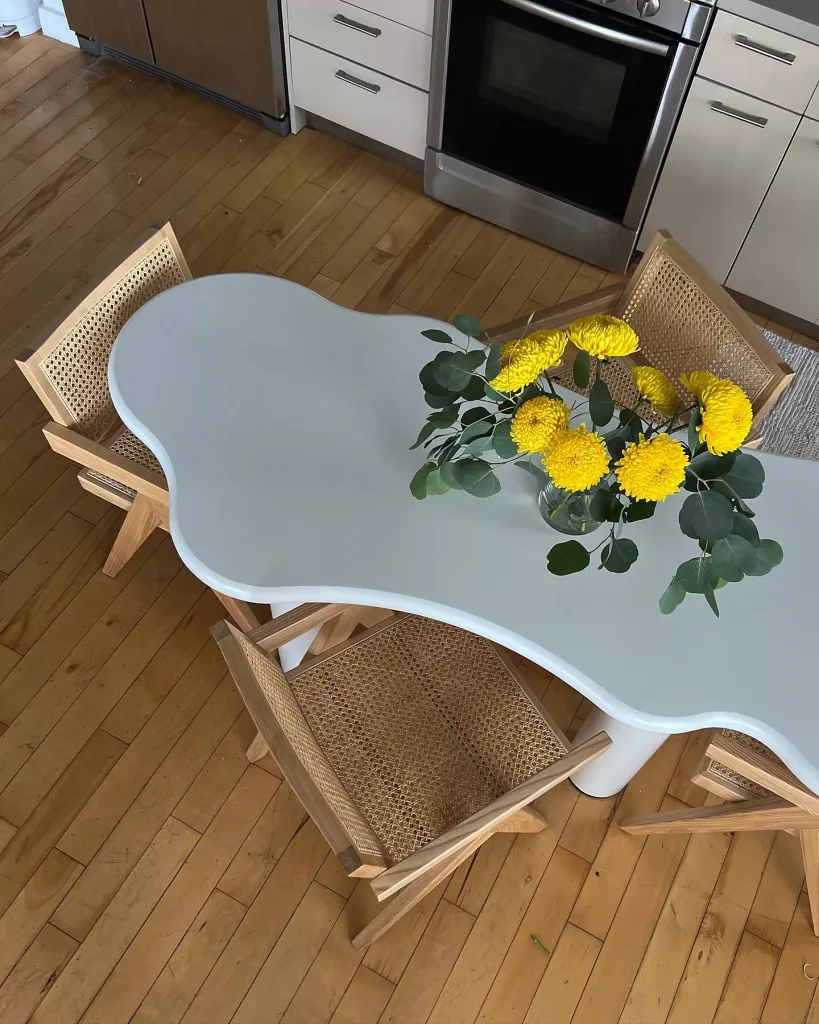
Now we’re getting into the part where Japandi really starts to look like Japandi, the furniture. When it comes to How to Incorporate Japandi Style for a Cozy Minimalist Home the rule is simple: calm, grounded, and intentional always wins over big and flashy. Japandi furniture doesn’t shout for attention; it quietly earns it. You’ll notice pieces sit lower to the ground, creating a relaxed and open feeling that instantly makes a room feel more peaceful. This low-profile approach is a signature move in many Japandi interior design style ideas, helping spaces feel airy even when they aren’t huge (which, let’s be honest, is a blessing in most modern homes).

The style leans heavily on clean lines and functional design, meaning every piece has a job to do. Sofas are comfortable but streamlined, tables are simple but beautifully made, and storage blends into the room instead of dominating it. You’ll often see handcrafted details or organic shapes that feel slightly imperfect in the best way, adding warmth to minimalist interior design without creating clutter.

Think smooth wood grains, rounded edges, and natural finishes that pair effortlessly with japandi decorative objects like ceramic bowls or textured vases. What you won’t see? Bulky recliners, overly ornate carvings, or anything that feels heavy enough to emotionally weigh down the room.

One underrated secret designers swear by: leave breathing space between furniture. Japandi rooms aren’t packed wall-to-wall, they allow pieces to exist comfortably with space around them. This simple habit is one of those powerful interior design tips and tricks that instantly elevates your layout.
When furniture has room to breathe, your eyes can rest, movement feels easier, and the whole space aligns naturally with minimalist home decor ideas. So if you’re ever unsure whether to add another piece, try stepping back and asking, “Does this room need more furniture, or more calm?” Japandi almost always chooses calm.
Japandi Decorative Objects: Styling with Purpose and Simplicity

Alright hey y’all, this is where Japandi truly shows its personality, the details. Japandi Decorative Objects: Styling with Purpose and Simplicity isn’t about filling shelves just because they exist. It’s about choosing pieces that feel intentional, calming, and connected to your everyday life.
In many Japandi interior design style ideas, decor isn’t treated as extra decoration; it’s part of the atmosphere. The goal is simple: surround yourself with objects that either serve a purpose, tell a story, or bring a quiet sense of peace. A good rule to remember? One meaningful object is stronger than five decorative fillers. If it doesn’t add calm or meaning, it probably doesn’t need to stay.

Handmade Ceramics and Pottery
Handmade pieces instantly add warmth to minimalist interior design because their slight imperfections feel human and natural. Think ceramic bowls, mugs, or textured pottery that looks crafted rather than mass-produced, pieces you’d actually use, not just display.

Minimalist Vases
Simple vases in neutral tones work beautifully even when empty. Clean shapes and soft matte finishes keep things elegant without demanding attention, making them perfect anchors for minimalist home decor ideas.

Wooden Trays and Bowls
Wood brings balance and grounding energy into a space. Use trays to organize candles, books, or everyday essentials, one of those underrated interior design tips and tricks that keeps surfaces styled but functional.

Paper or Fabric Lamps
Soft lighting is essential in Japandi homes. Paper lanterns or fabric shades diffuse light gently, creating that cozy glow that feels relaxing instead of harsh or overly modern.


Neutral Artwork
Choose artwork with muted colors, abstract nature themes, or simple line art. The idea isn’t to overwhelm the wall but to support the calm mood of the room.

Natural Branches or Dried Arrangements
Skip overly colorful flowers and go for dried grasses, branches, or subtle greenery. Nature-inspired elements reinforce the organic feeling central to Japandi styling.

Books as Decor
Books absolutely count as decor, just stack them thoughtfully. A small pile on a table or shelf adds personality while keeping the clean aesthetic intact.

At the heart of all this is one guiding idea: every object should feel calm, useful, or meaningful. When you decorate this way, your home naturally avoids clutter while still feeling warm and lived-in, the perfect bridge between cozy comfort and thoughtful simplicity that defines Japandi style.
Easy Ways to Add Japandi Style Without Renovating

Not everyone is ready to knock down walls or buy all new furniture just to try a new style. The good news? How to Incorporate Japandi Style for a Cozy Minimalist Home proves you don’t need a full makeover to change how your home feels. Japandi is actually one of the most beginner-friendly approaches because small, thoughtful changes can make a huge difference. Many Japandi interior design style ideas start with simple swaps that slowly shift the mood of your space from busy to balanced, cozy to calm, no contractor required.

Here are some easy, budget-friendly ways to start transforming your home today:
- Swap textiles first – Replace bright or heavy fabrics with linen, cotton, or neutral-toned throws and pillow covers. Soft textures instantly warm up minimalist interior design without adding clutter.
- Rearrange your furniture – Try pulling pieces away from walls and creating breathing space. This small move is one of the most effective interior design tips and tricks for achieving that airy Japandi layout.
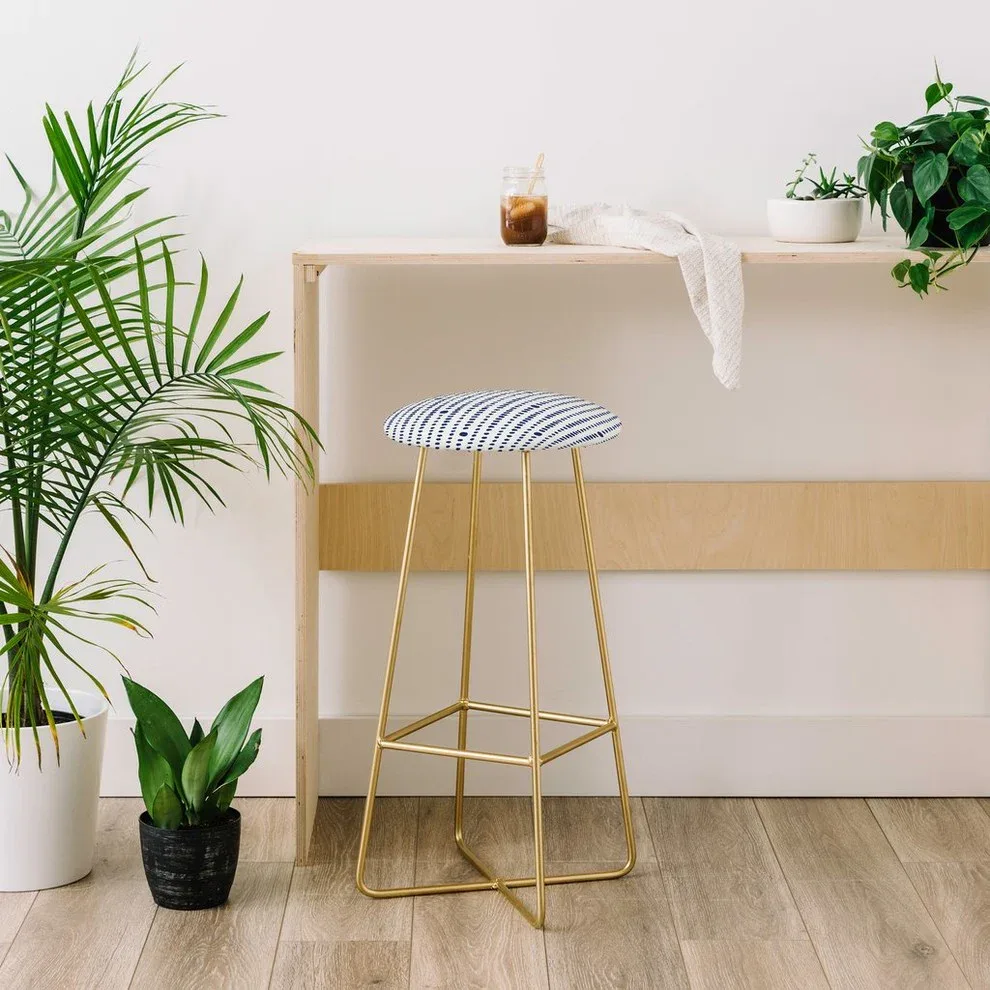
- Add plants (but keep it simple) – One or two leafy plants or natural branches work better than a jungle. Japandi loves nature, just not chaos.
- Change lighting temperature – Switch to warm white bulbs instead of cool blue lighting. Softer lighting makes rooms feel relaxed and inviting almost immediately.
- Replace small decor pieces – Slowly trade busy decorations for intentional Japandi decorative objects like ceramics, wood accents, or neutral vases.

The beauty of these changes is how approachable they are. You’re not chasing perfection, you’re building calm step by step using practical minimalist home decor ideas that fit real life and real budgets. Japandi works so well in modern homes because it evolves gradually; each small adjustment brings more balance and comfort until one day you look around and realize your space feels lighter, quieter, and a whole lot more like home.
Common Styling Mistakes to Avoid When Decorating Japandi Stlye

Y’all, let’s talk about the little things that can accidentally throw off the whole vibe, because yes, even a calm and beautiful style like Japandi can go sideways if you’re not careful. Common styling mistakes to avoid when wecorating in Japandi style usually happen when people focus only on how the space looks instead of how it feels. One of the biggest mistakes is using too much white.
While Japandi loves neutrals, an all-white room without warmth can feel sterile instead of peaceful. The goal isn’t a showroom; it’s a lived-in calm. Adding soft earth tones, wood finishes, and layered materials helps keep minimalist interior design feeling welcoming rather than cold.

Another common slip is overdecorating, ironic, right? People often fall in love with Japandi interior design style ideas and start adding every “aesthetic” piece they see online. But Japandi thrives on restraint. Mixing too many styles at once can also break the harmony; combining farmhouse, industrial, glam, and Japandi together usually creates visual noise instead of balance.
Texture is another detail many beginners overlook. Without linen, wood grain, ceramics, or woven elements, a room can feel flat even if the color palette is correct. Thoughtful japandi decorative objects and natural materials bring depth without adding clutter, which is one of those quiet interior design tips and tricks designers rely on constantly.

Choosing trendy pieces instead of timeless ones is the final trap. Japandi isn’t about what’s popular this season, it’s about longevity and comfort. Trend-heavy decor can quickly make a space feel dated, while simple, well-made items support lasting minimalist home decor ideas that grow with you over time.
How Japandi Design Creates a More Peaceful Everyday Home

At the heart of it all, How to Incorporate Japandi Style for a Cozy Minimalist Home comes down to how a space makes you feel the moment you walk through the door. Japandi isn’t just a design trend, it’s a lifestyle shift toward calm and intention. When clutter disappears and every item has purpose, your mind naturally relaxes too.

Many people don’t realize how much visual noise affects stress levels until they experience a space grounded in minimalist interior design principles. Soft colors, natural materials, and thoughtful layouts create an environment that feels steady and comforting, like your home is quietly taking care of you after a long day.
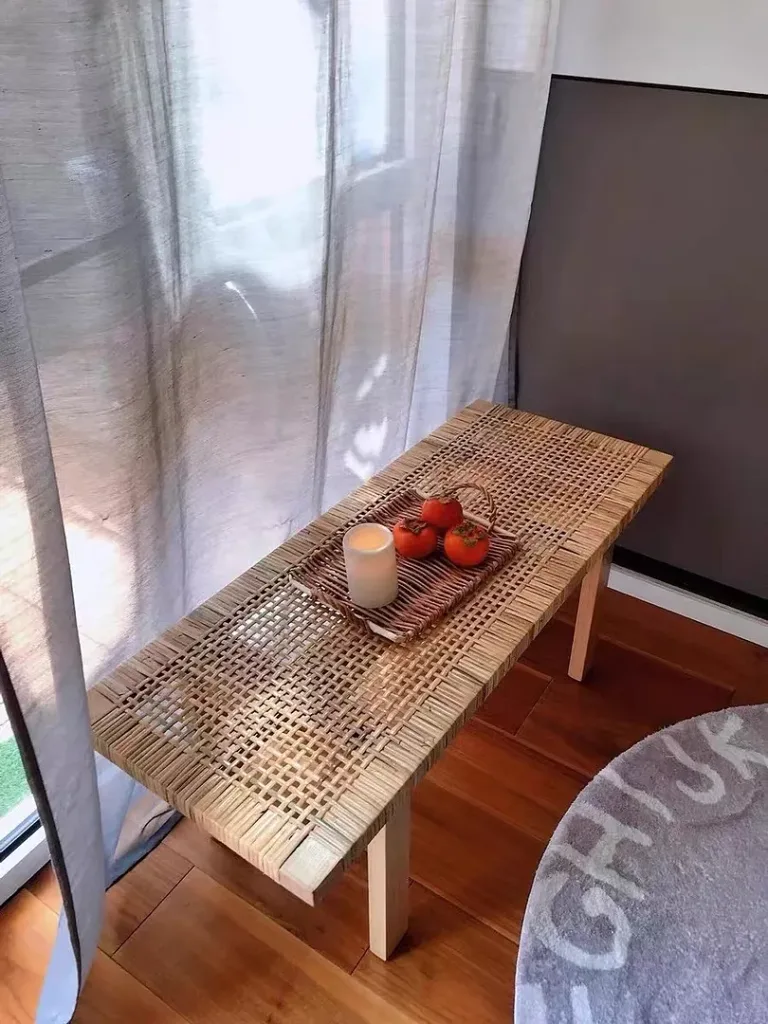
A Japandi-inspired home also supports better focus and a slower, more mindful rhythm of living. Clear surfaces make it easier to think, warm lighting encourages rest, and meaningful japandi decorative objects remind you to appreciate quality over excess. Instead of constantly rearranging or chasing new trends, you begin enjoying what you already have.

That’s why so many Japandi interior design style ideas resonate with modern homeowners, they balance beauty with real-life functionality. These small shifts turn everyday routines into calmer experiences, whether you’re sipping morning coffee, working from home, or winding down at night surrounded by cozy minimalist home decor ideas that actually feel personal.

If this style speaks to you, let’s stay connected. You can follow me for more interior design tips and tricks and cozy home inspiration on Instagram, TikTok, YouTube, and Pinterest. And if you’re ready to start styling right away, you can shop my personal collection at CuratedbyLani.com, where I’ve curated tons of pieces perfect for creating your own Japandi-inspired home. Think of it as your shortcut to finding decor that already works beautifully together, because everyone deserves a home that feels peaceful, intentional, and completely their own.