
Happy 11/11 Ya’ll! 🙌🏽✨
There is something special about decorating with Christmas garland. I like to think of garland as the jewelry of the home during the holidays. Whether it’s draped across a fireplace mantel, cascading down a staircase railing, or styled along a dining table, it’s that finishing touch that instantly elevates a space.
A little greenery, beautiful ribbon, and a few thoughtfully placed accents can take an ordinary area from everyday to effortlessly festive. And sometimes, that’s all it takes to make a room feel like Christmas!
But…there is one decorating problem that can quickly take the joy out of it, which is: SHEDDING!
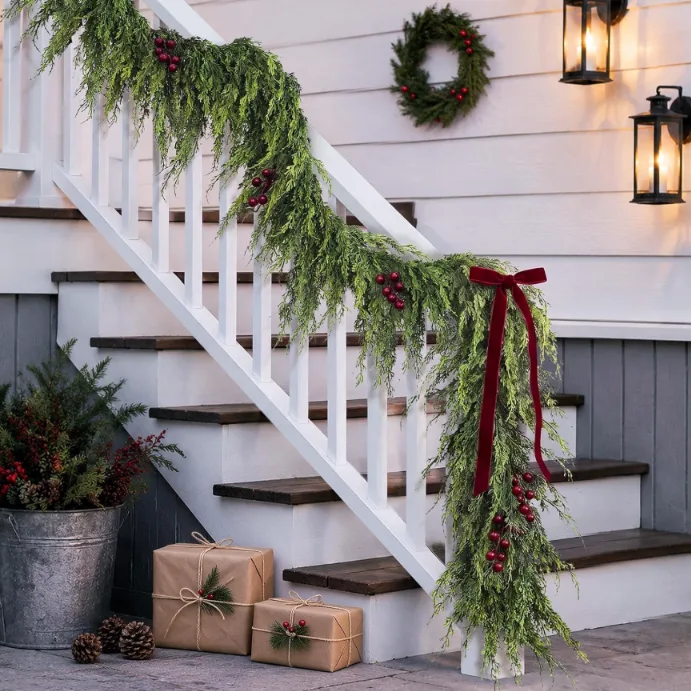
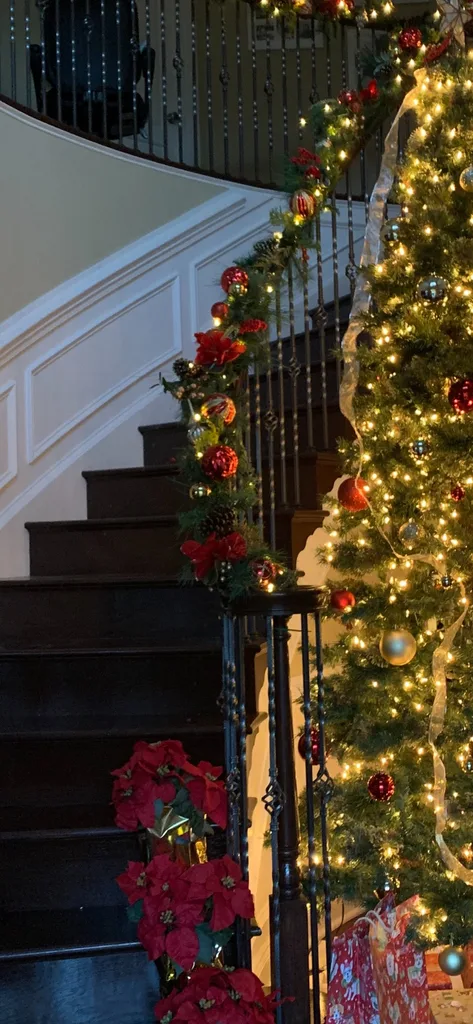
You arrange your garland, fluff the branches, and step back to admire your work. Then you notice little plastic needles scattered across the mantel, floor, and furniture. And if you’ve ever ordered a beautiful-looking garland online only to discover that its so-called realistic finish looks more like shiny tinsel, you know how disappointing that can be.
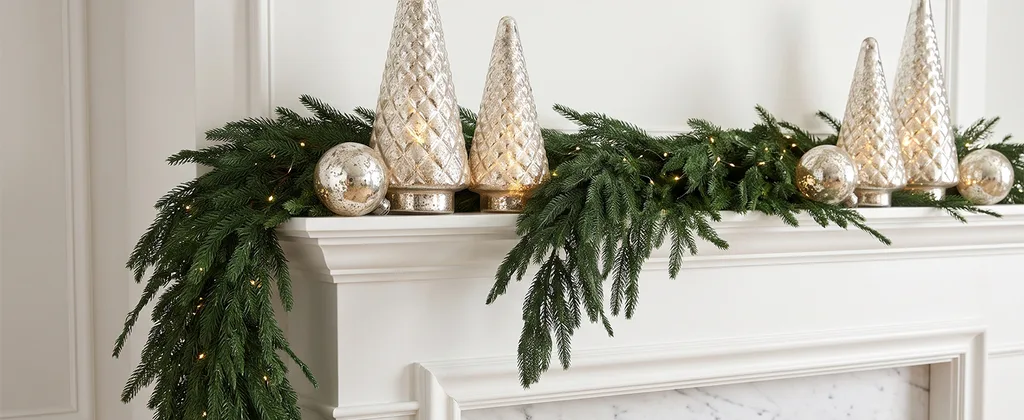
The good news is that you don’t have to give up on decorating with greenery.
The key is knowing what to look for, understanding the differences between garland materials, and choosing an option that suits your home and budget.
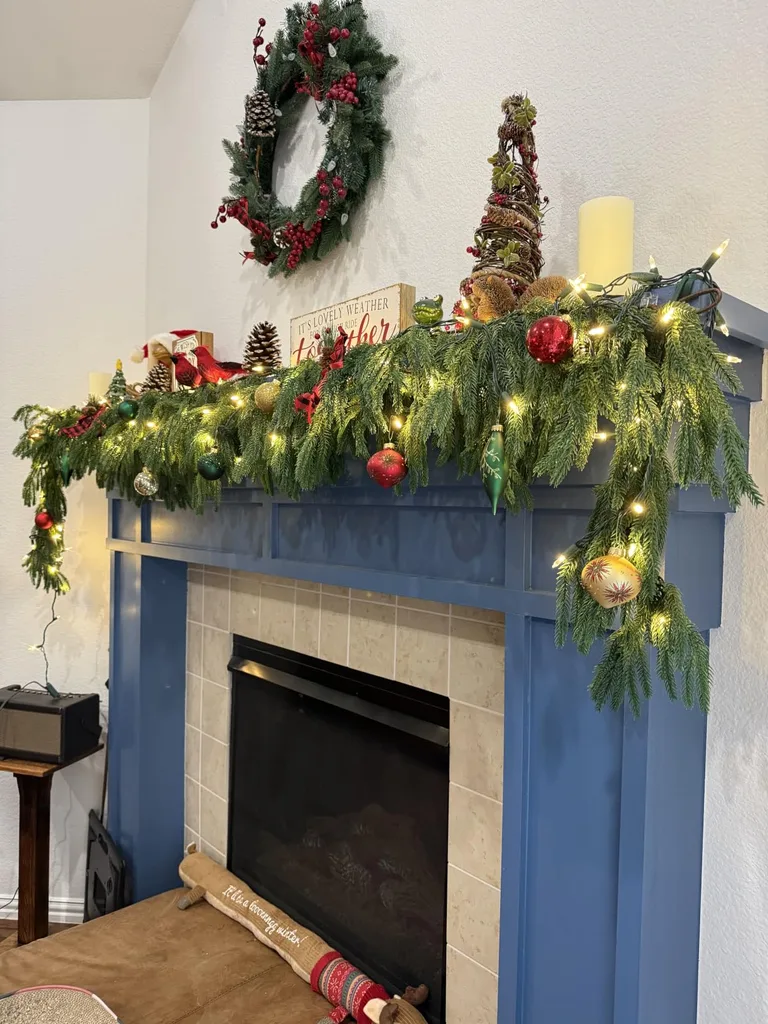
In this guide, we’ll compare three Christmas garland price tiers using retailer product descriptions, specifications, available customer reviews, prices, and visual details. We’ll also share practical ways to research garland before buying and care for the greenery you already own.
Why Does Artificial Christmas Garland Shed?
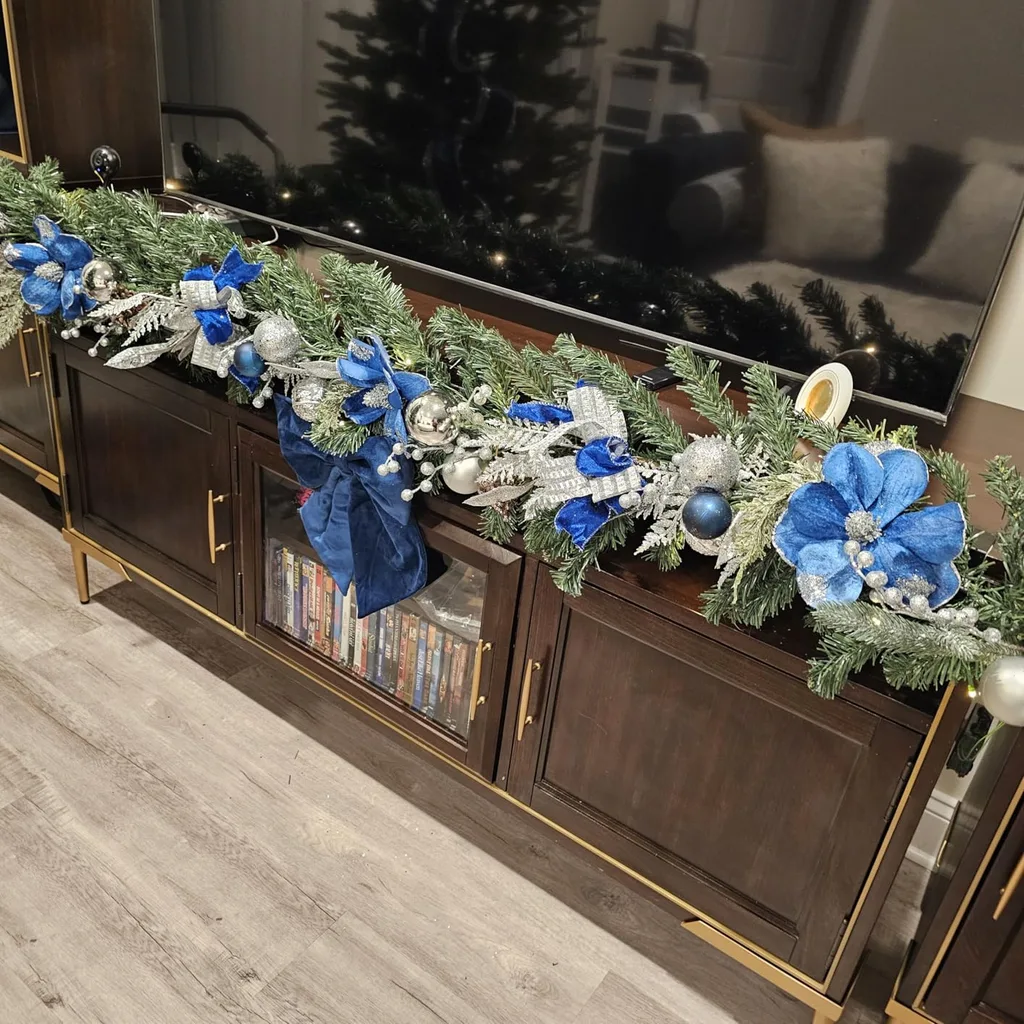
Not all artificial garland is made the same way.
Some designs use thin plastic strips attached to a central wire structure. Others combine different foliage materials to create a fuller, more dimensional appearance.
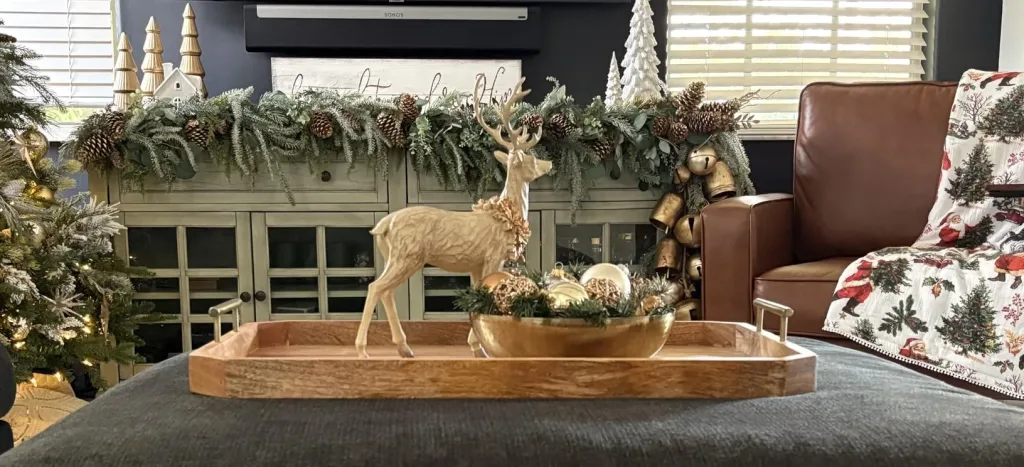
The construction, material quality, attachment points, and condition of the garland can all influence its appearance and how well it holds together.
This is why looking at the product photograph alone isn’t enough.

A listing might show a beautifully full arrangement, but the actual garland may be thinner than expected. A close-up might suggest a natural finish, while the material description reveals a shiny, flat plastic construction.
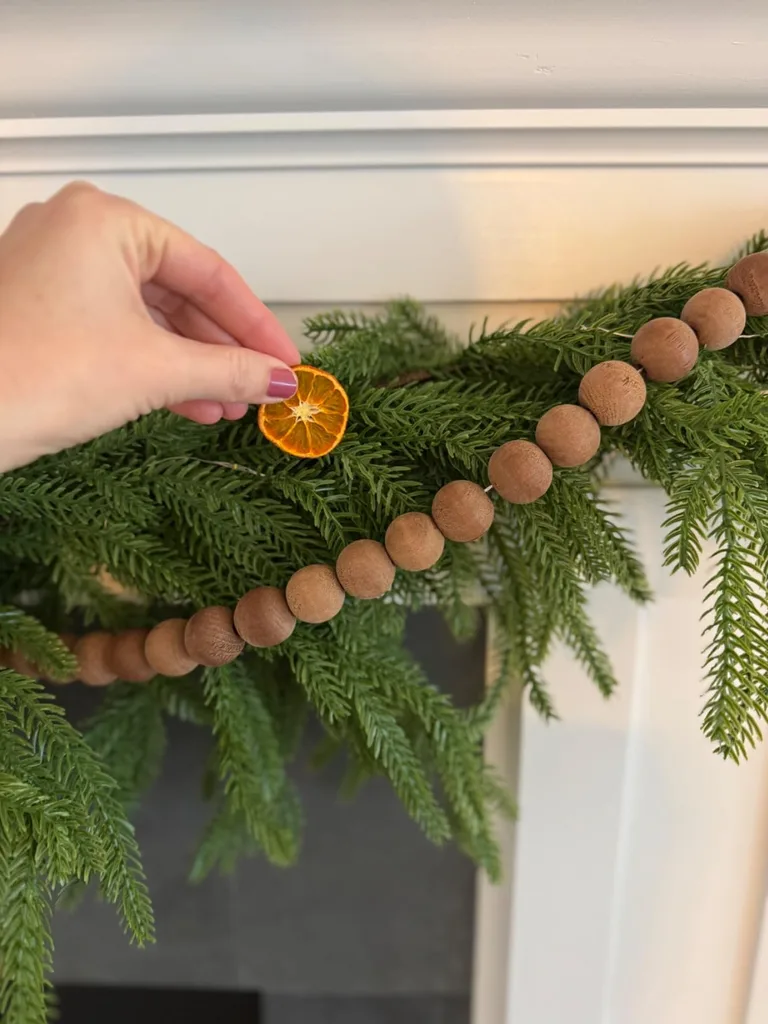
Customer reviews can also provide useful clues. Repeated comments about loose needles, broken branches, or excessive shedding may help shoppers identify potential concerns before ordering.
When looking for non-shedding Christmas garland, remember that no artificial product should be assumed to shed absolutely nothing. A more realistic goal is to find a well-constructed option with positive feedback about its appearance and material quality.
Three Christmas Garland Price Tiers: What Should You Compare?
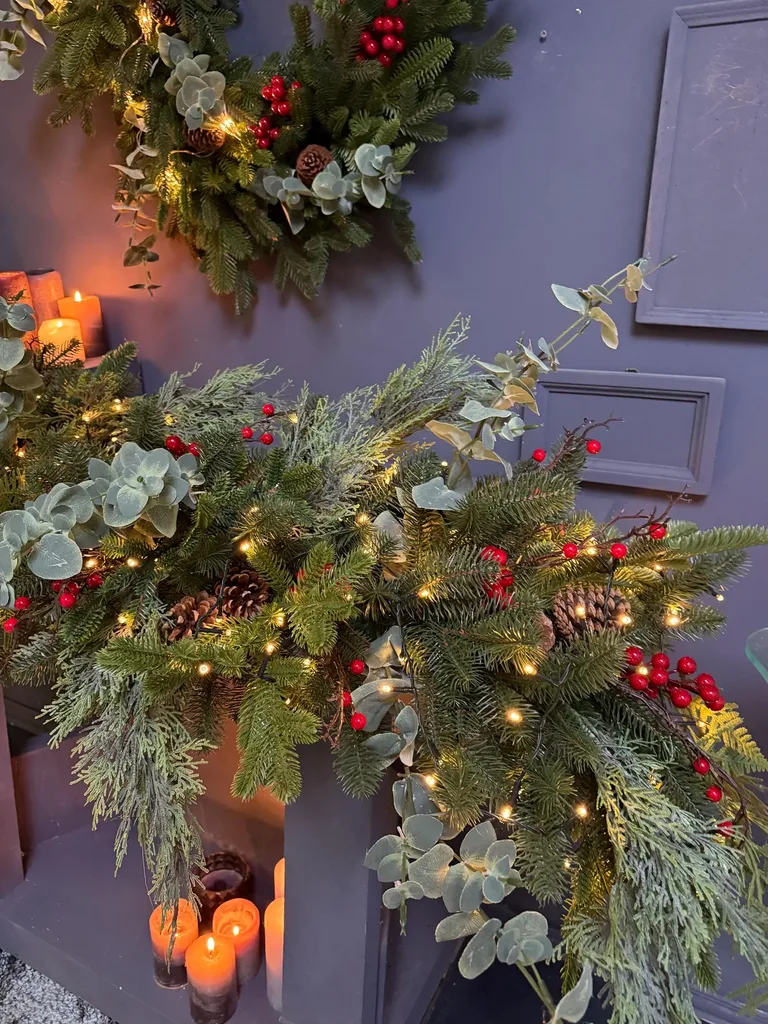
A higher price doesn’t automatically mean better quality, and an affordable option isn’t necessarily a poor choice.
The best way to compare artificial Christmas greenery is to look beyond the price tag and examine the features that matter.
We’ll use three price categories: budget, mid-range, and premium.
The following comparison framework is designed to evaluate actual retailer listings and customer feedback. Product-specific findings should be added only after the selected listings have been reviewed.
1. Budget Garland: Is the Lower Price Worth It?
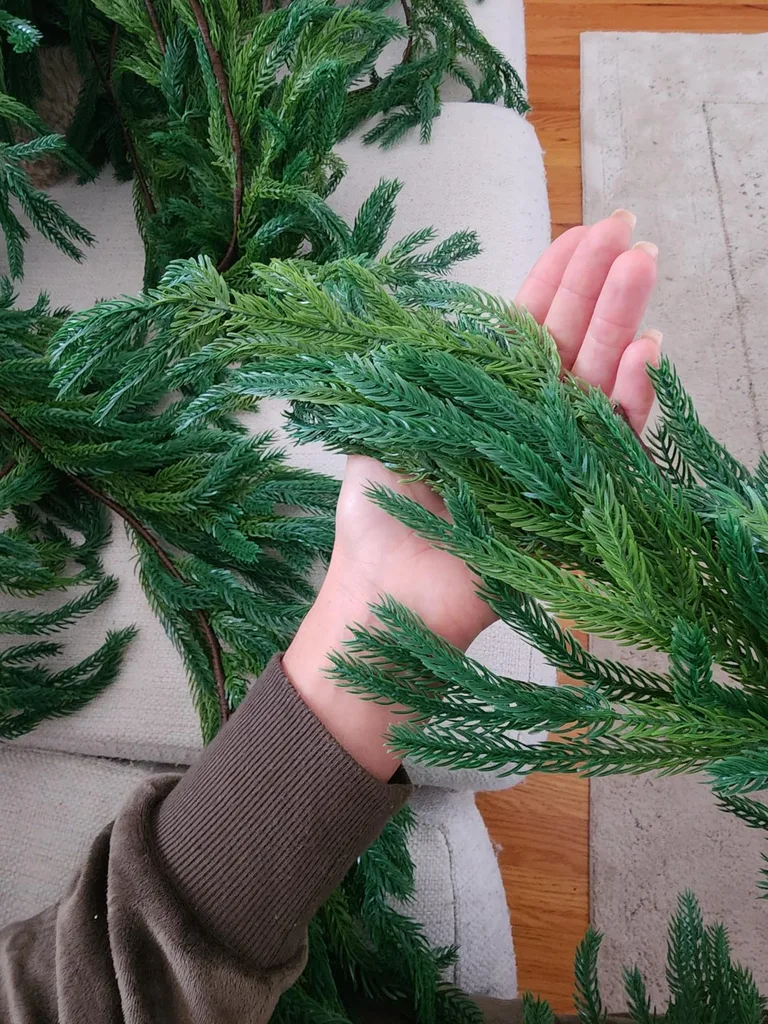
Budget garland can be appealing when you need several lengths for decorating a large area.
However, inspect the foliage carefully. Does it have visible individual branches? Is the material flat and shiny? Does the garland have enough volume to look full once arranged?
Some inexpensive designs may use simple plastic or tinsel-like foliage. That doesn’t automatically make them unsuitable. It simply means you should understand what you’re buying.
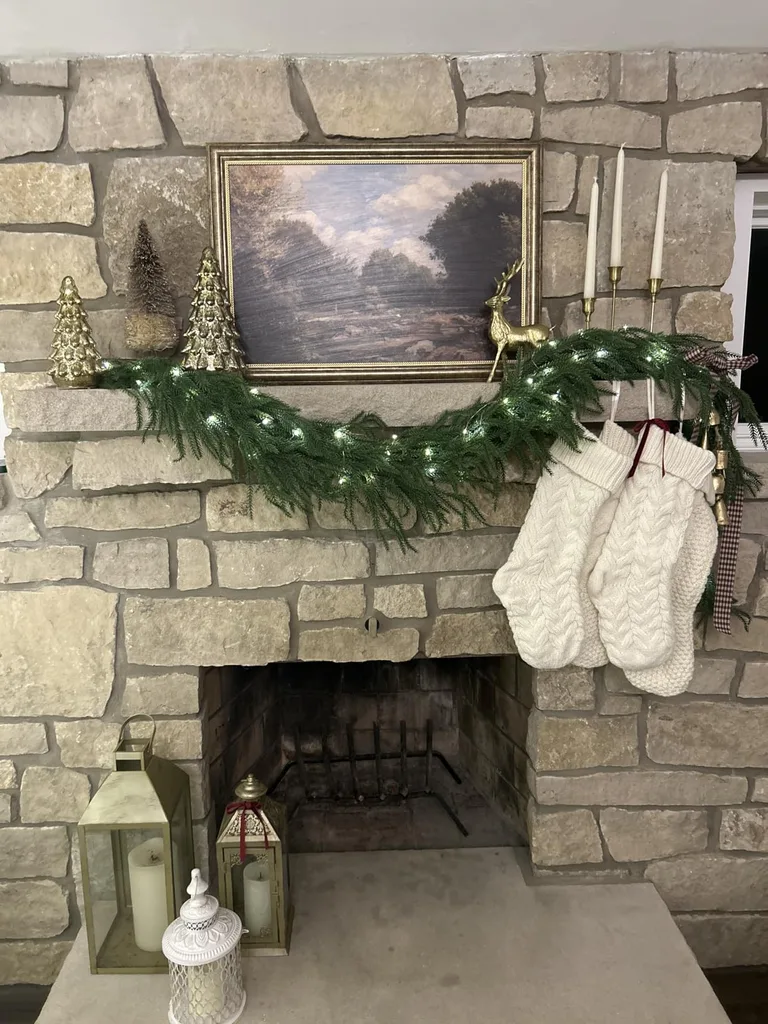
What to compare:
- Listed price and garland length.
- Materials identified in the product description.
- Branch density and construction shown in photographs.
- Customer feedback mentioning shedding or loose material.
- Whether customer photographs match the retailer’s presentation.
Potential advantage: A lower initial price may make it easier to decorate larger areas.
Potential limitation: Some budget options may have simpler construction, less foliage variation, or a shinier finish.
2. Mid-Range Garland: A Balance Between Appearance and Price
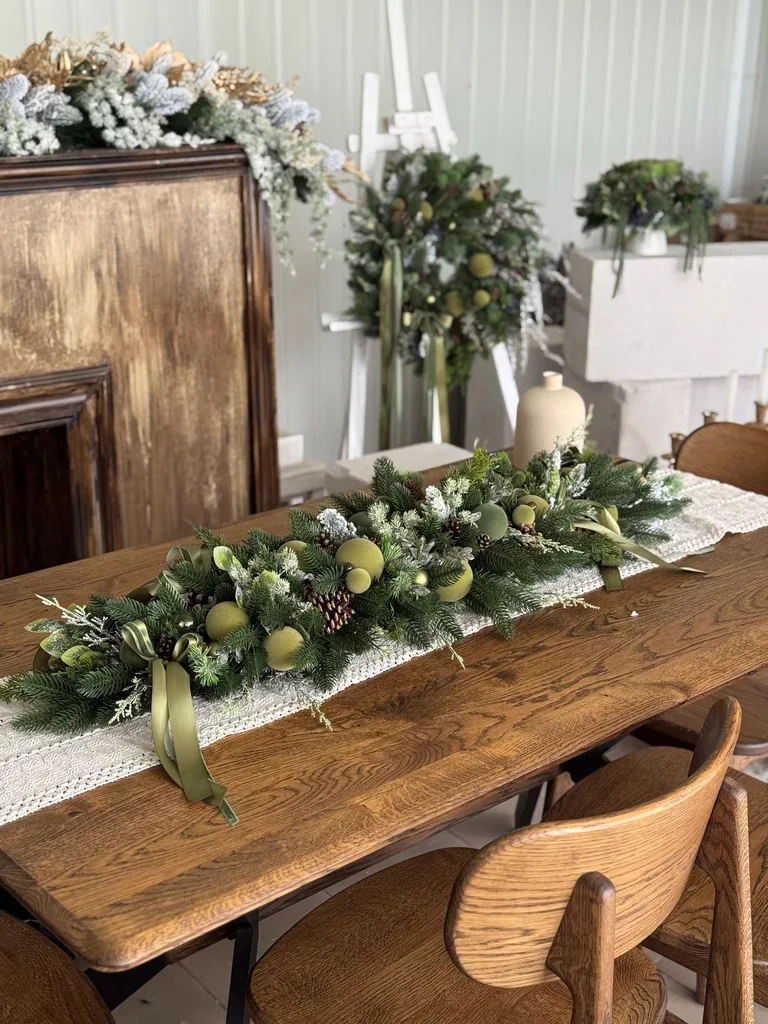
Mid-range garland may offer a more detailed appearance or a combination of foliage materials.
This is where looking beyond the overall product photograph becomes especially important.
Examine the individual branches in the listing images. Are there variations in shape, color, and texture? Does the greenery have enough visual depth to look convincing from different angles?
A realistic Christmas garland should have visual variation rather than looking like a repeating strip of identical plastic needles.
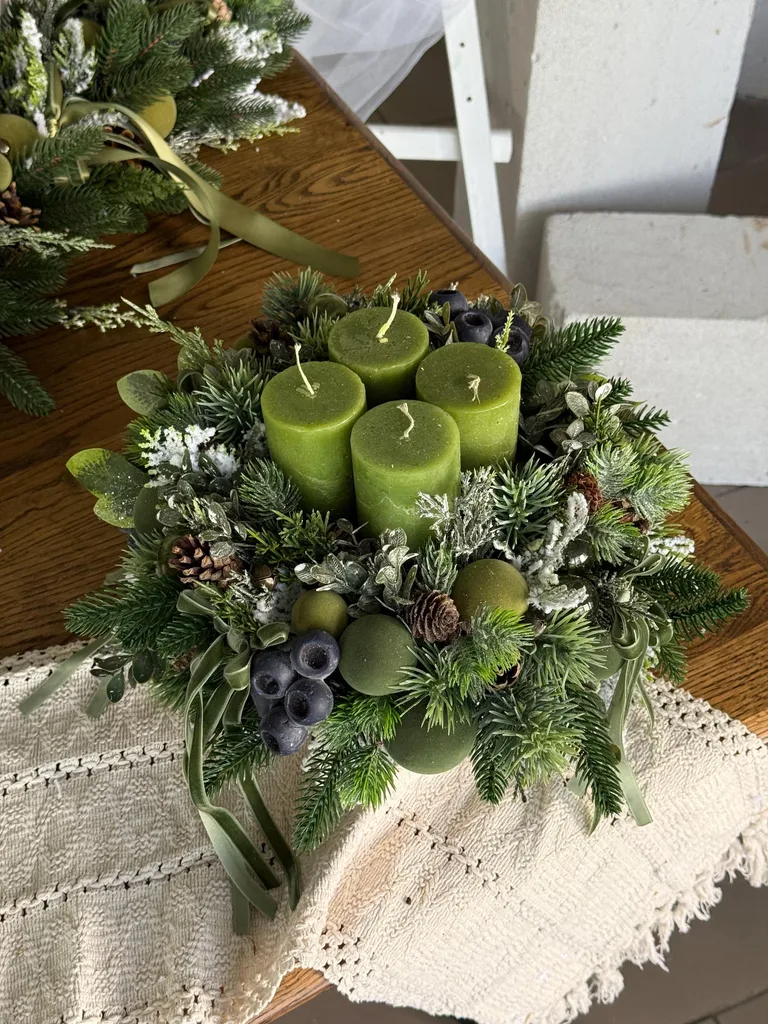
What to compare:
- Price relative to length and listed features
- Mixture of foliage shapes and materials
- Branch density and coverage
- Customer comments about fullness and shedding
- Available close-up and customer-submitted photographs
Potential advantage: Some mid-range designs may provide a balance between decorative appearance and affordability.
Potential limitation: A higher price does not guarantee better materials or less shedding.
3. Premium Garland: What Are You Paying More For?
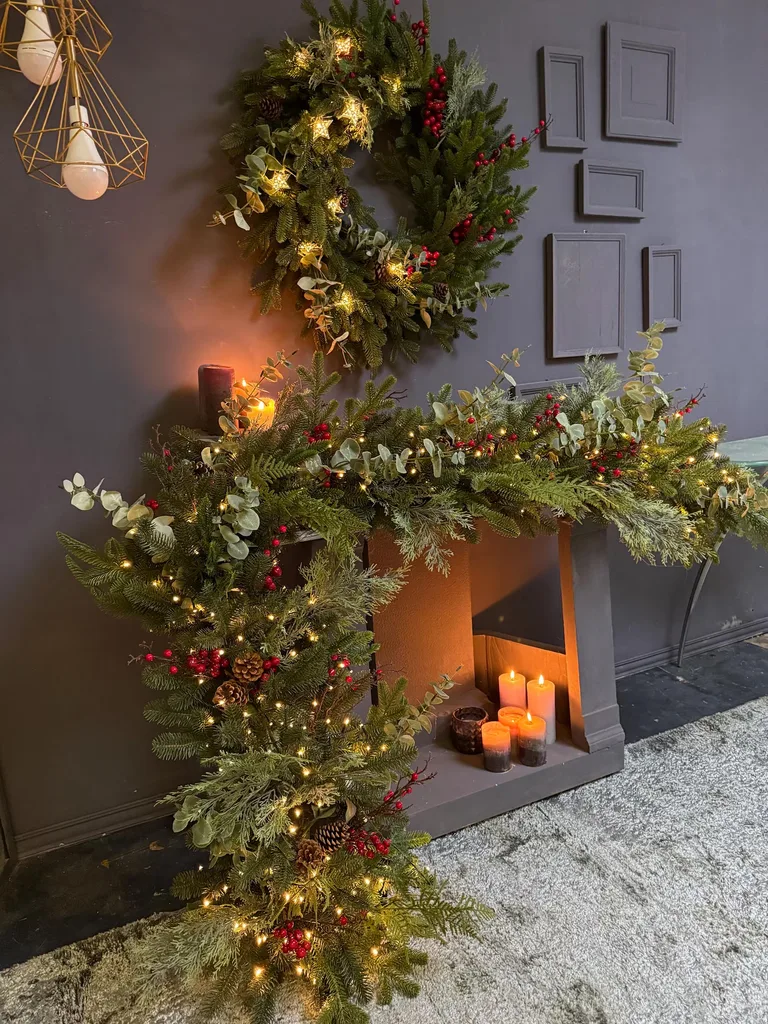
Premium garland may feature more detailed foliage, a fuller structure, or more realistic-looking materials, but a higher price does not automatically guarantee better performance.
Look closely at the construction. Are the branches well distributed? Does the greenery have depth? Does the material have a natural-looking finish rather than an overly glossy appearance?
A premium option should offer meaningful improvements that you can identify in its specifications, photographs, or customer feedback, not simply a higher price tag.
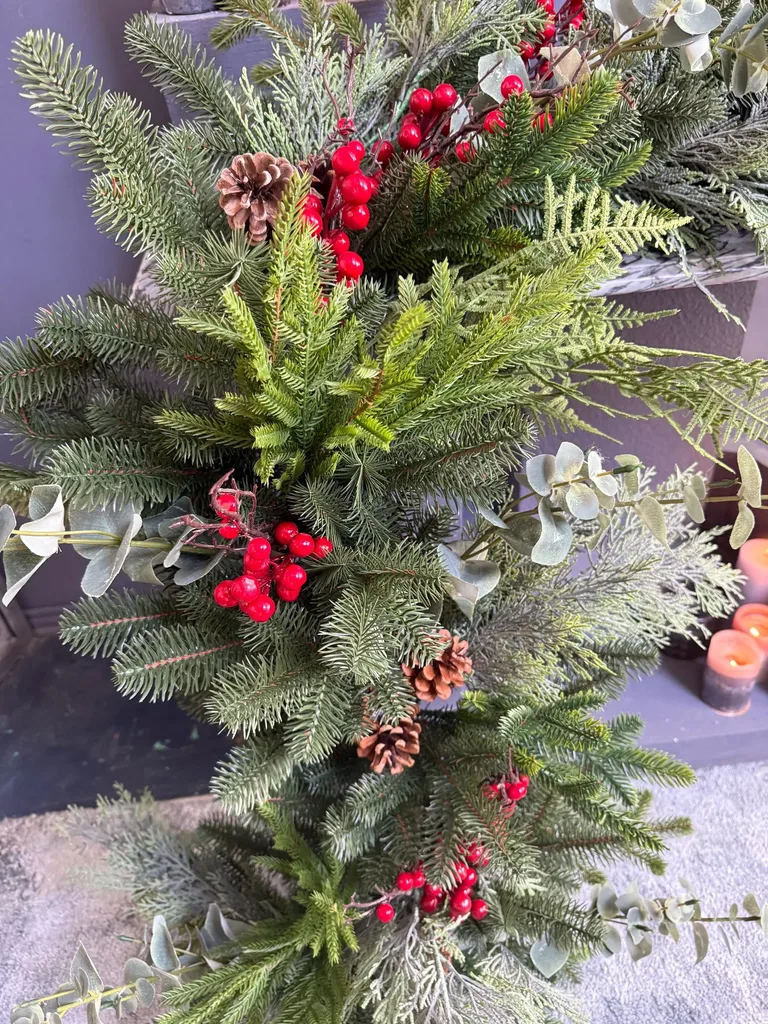
What to compare:
- Listed price and length.
- Material composition and construction.
- Foliage variation and visual realism.
- Customer feedback about appearance, durability, and shedding.
- Whether the additional features justify the higher price.
Potential advantage: Some premium designs may provide more detailed foliage and a fuller decorative appearance.
Potential limitation: The higher cost may not be worthwhile if the listed features don’t offer a meaningful improvement.
How to Compare Christmas Garland Without Buying Every Option
You don’t have to purchase several garlands to make a useful buying comparison.
Retailer listings, product specifications, and customer feedback can provide valuable information when reviewed carefully.
Here is a practical research checklist.
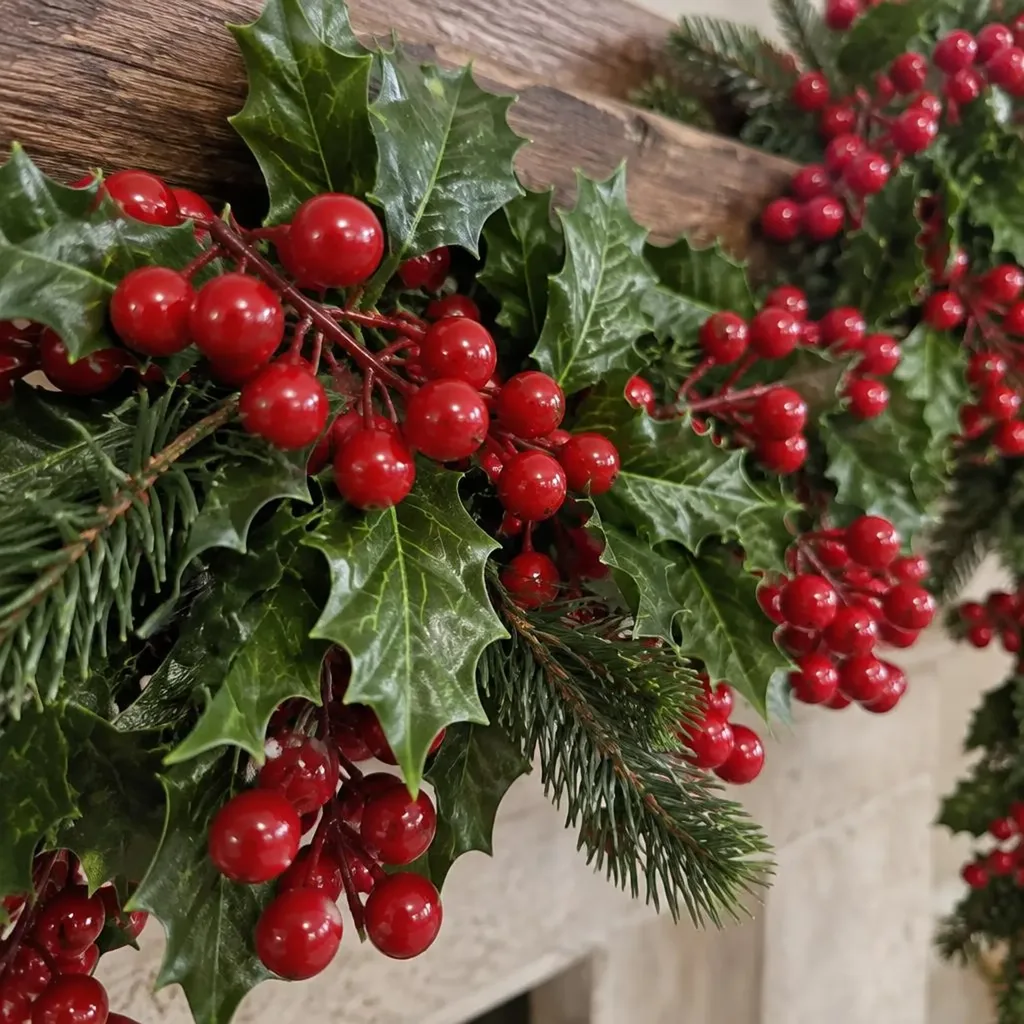
1. Compare the Materials
Check whether the retailer identifies the foliage as PVC, PE, mixed materials, or another construction.
Different materials can create different visual finishes and branch structures.
Don’t assume that a product described as realistic or real-touch automatically uses a particular material. Look for actual specifications.
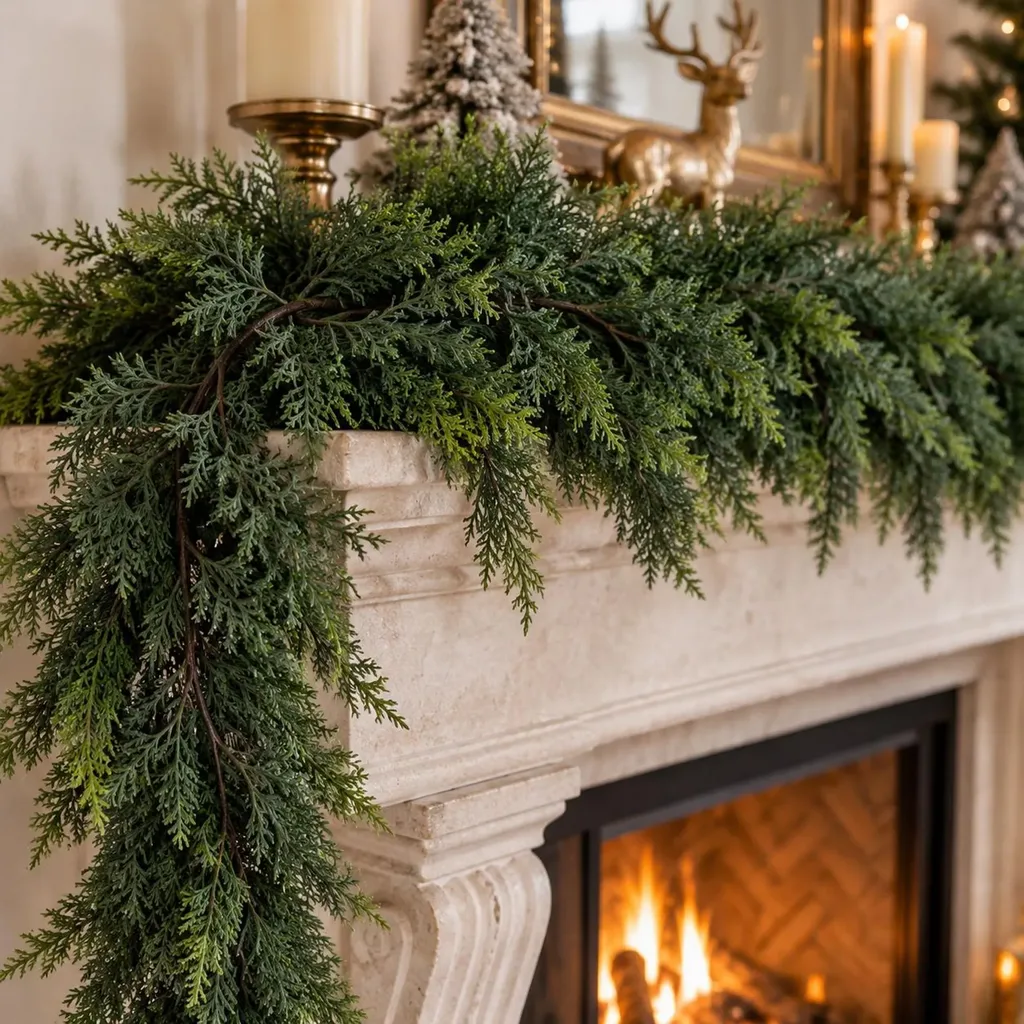
2. Examine Close-Up Photographs
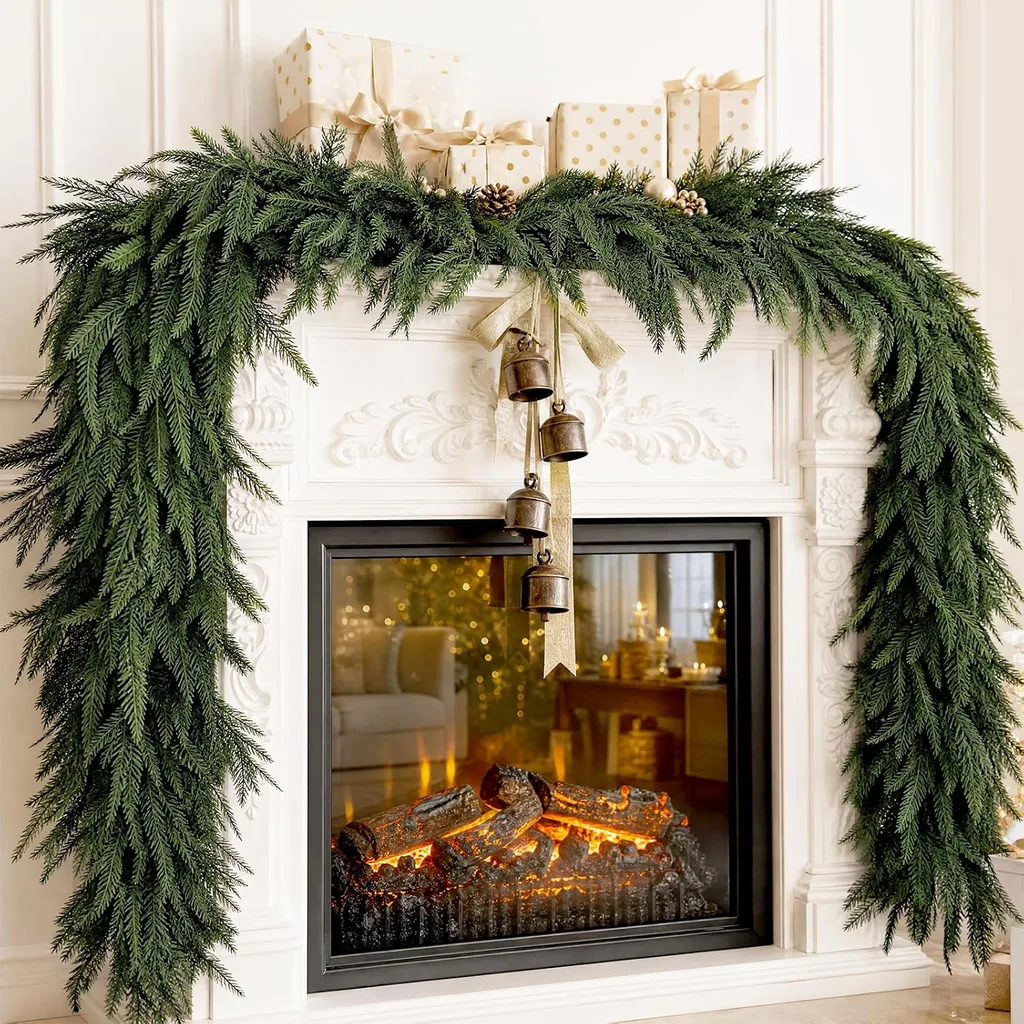
Don’t rely only on the styled room photograph.
Look for close-ups showing individual branches, foliage shape, texture, and the central structure.
A beautifully staged photograph may not reveal whether the garland is sparse or densely constructed.
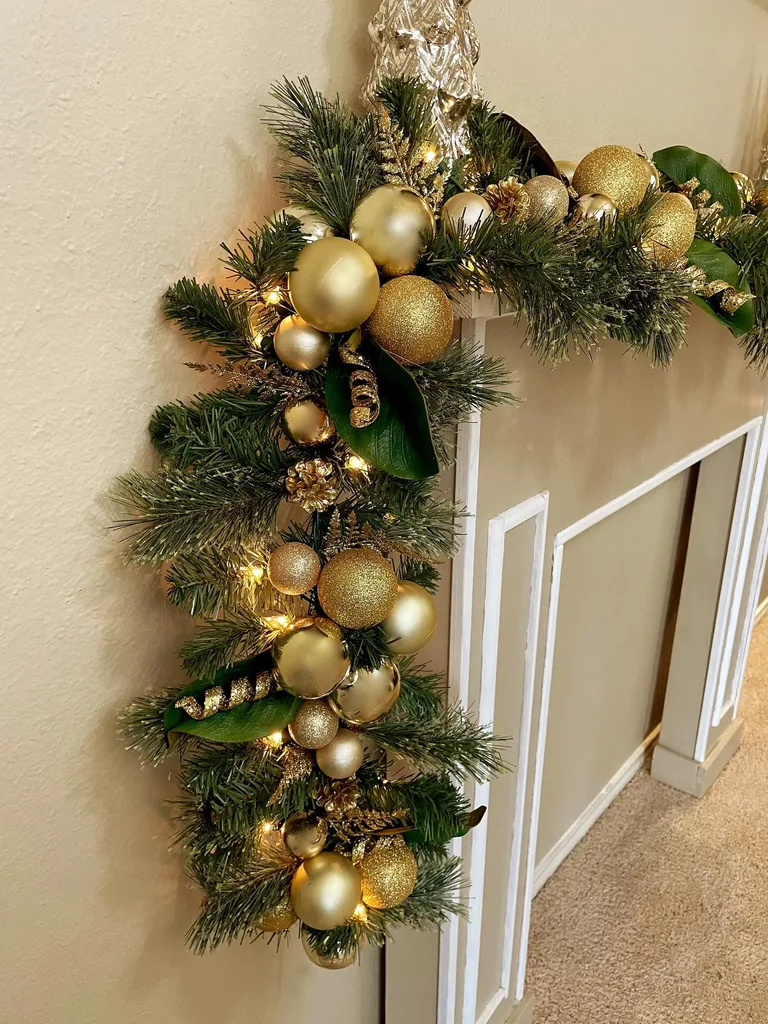
3. Read Customer Reviews About Shedding
Search customer feedback for repeated comments about loose needles, plastic pieces, shedding, and durability.
Pay attention to patterns rather than relying on one unusually positive or negative review.
Customer reviews are individual experiences, not guaranteed predictions of how every product will perform.
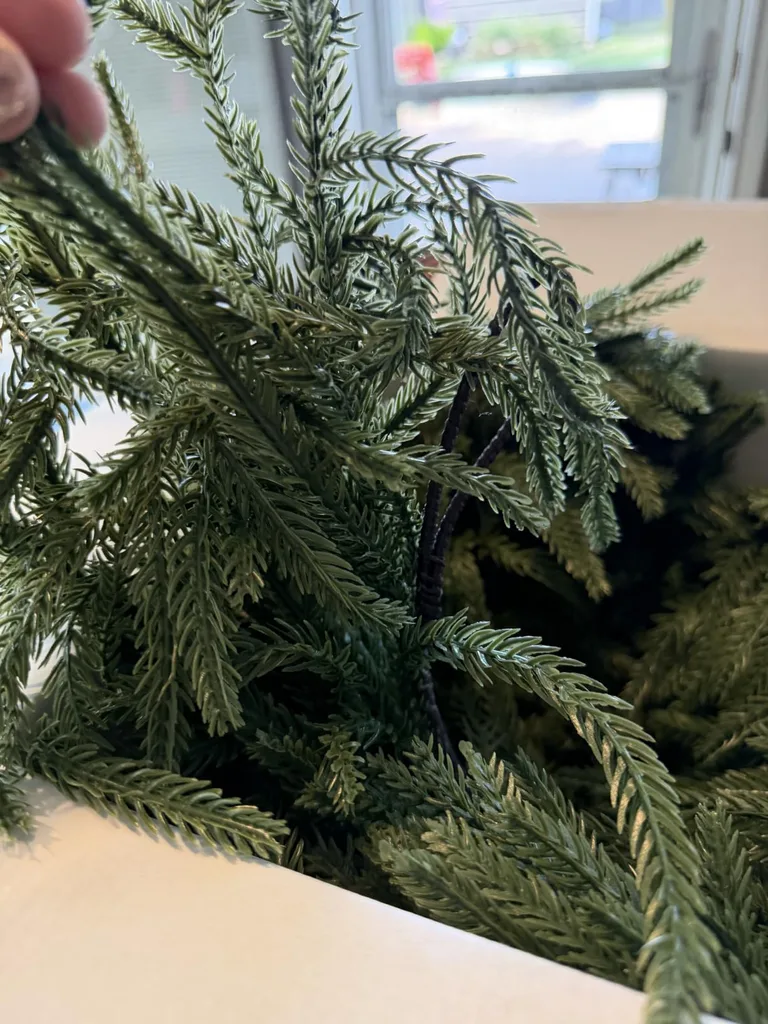
4. Compare Customer Photographs With Retailer Images
Customer-submitted photographs may help reveal differences between the advertised arrangement and the product as received.
Look at the fullness, color, finish, and overall shape.
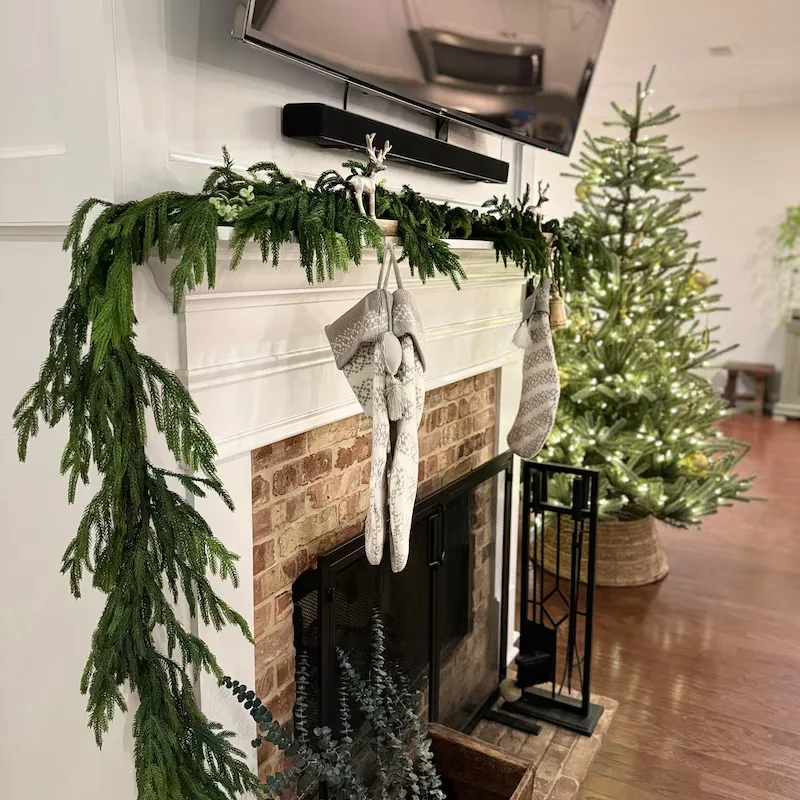
5. Compare Price Per Length
A garland with a lower advertised price may be shorter than another option.
Compare the cost relative to the listed length so you can make a more meaningful price comparison.

6. Check the Return Policy
Before ordering, review the retailer’s return conditions.
This is especially helpful when the product’s appearance, material, or fullness is difficult to judge from photographs.
Using these steps can help you identify a non-shedding Christmas garland option that appears to offer better value, while keeping expectations realistic.
How to Spot a Real-Touch Garland That Looks Like Tinsel
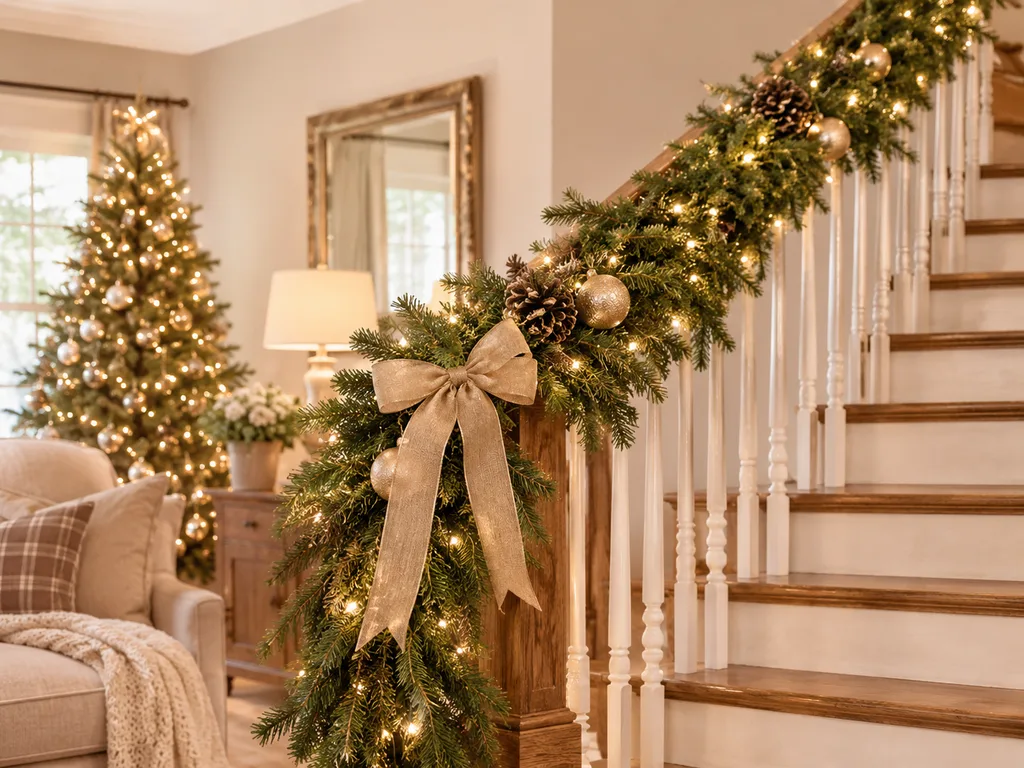
The words “real touch” can make a product sound more realistic than it actually looks.
Before ordering, examine the listing photographs and specifications carefully.
Look at the Close-Up Photographs
Check whether the retailer provides detailed photographs of individual branches.
A realistic Christmas garland should have enough visual detail to show its foliage structure, rather than relying entirely on a distant styled photograph.
Check the Foliage Shape
Natural-looking greenery usually has some variation in its individual pieces.
Look for differences in needle length, shape, color, direction, and arrangement.
Pay Attention to the Finish
An overly shiny surface can make some artificial foliage look more like decorative tinsel than natural greenery.
That doesn’t mean every glossy finish is automatically poor quality. It means you should consider how the material will look in your home’s lighting.
Examine the Product Dimensions
Check the length, width, and stated fullness of the garland.
A long garland isn’t necessarily a full garland. You may need more than one strand to achieve the appearance shown in the listing.
Read Customer Photographs and Reviews
Customer photographs can help you see the product outside the carefully styled listing image.
Look for repeated comments about shedding, thin construction, unrealistic materials, and differences between the advertised product and what arrived.
When shopping for real-touch Christmas garland, these details can help you make a more informed decision before spending your money.
How to Rescue the Shedding Garland You Already Own
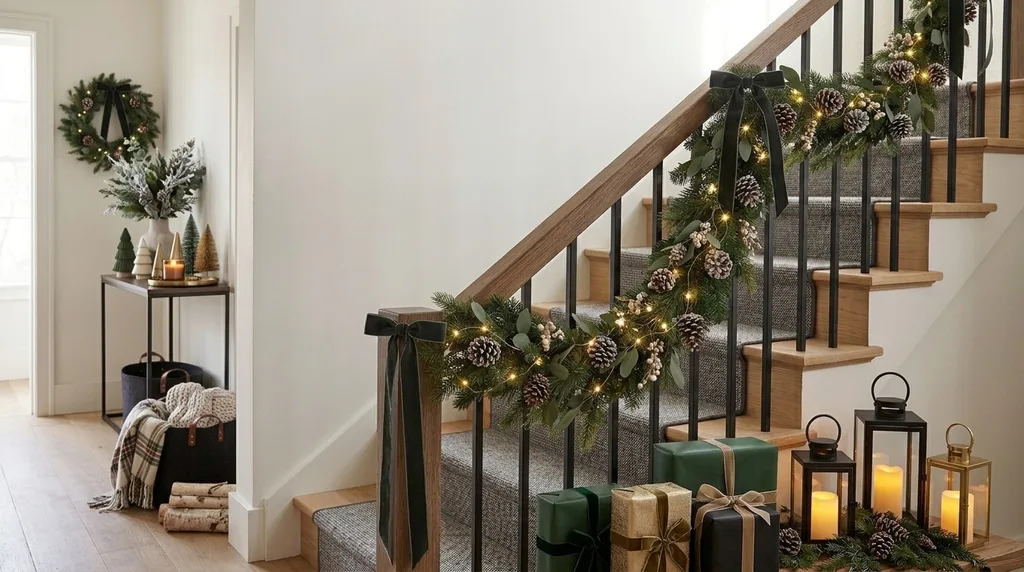
Before replacing your existing garland, give it a little attention.
Sometimes the problem is loose material left from manufacturing, shipping, storage, or repeated handling. Other times, the foliage or attachment points may be deteriorating.
A simple inspection can help you decide whether your garland is worth keeping.

Step 1: Take It Outside
If practical, move the garland outdoors before fluffing it.
Lay it on a clean surface where loose pieces can be collected easily. Avoid shaking it near open windows, food preparation areas, or places where children and pets may come into contact with loose material.
Step 2: Inspect the Branches
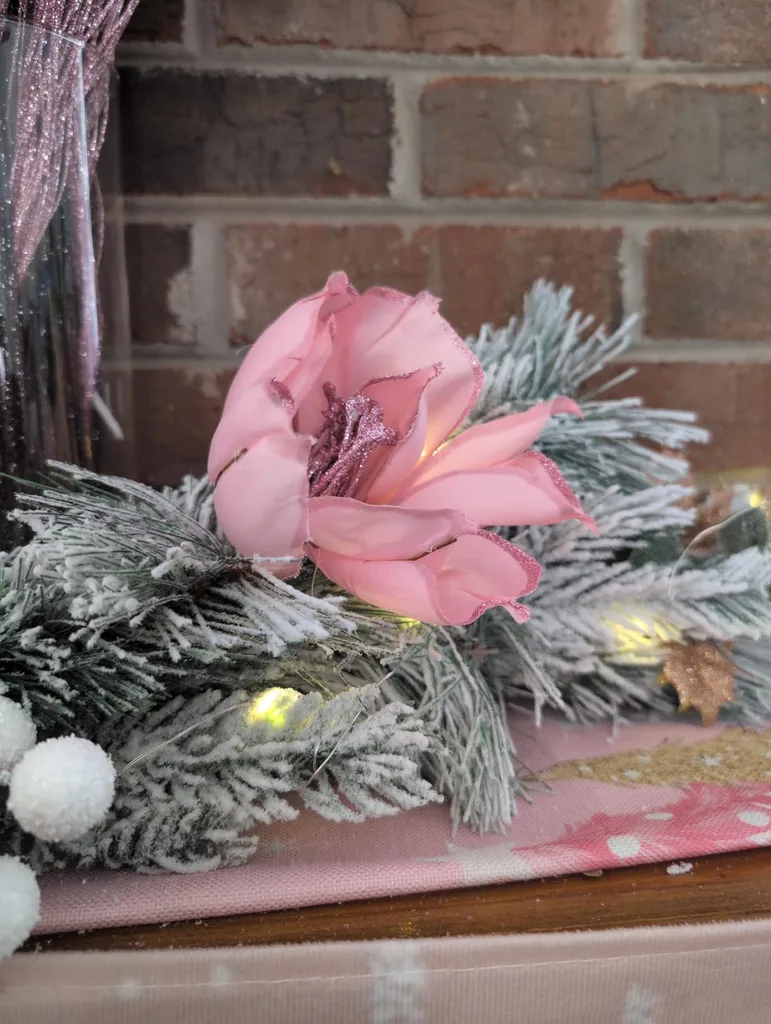
Look for sections where the plastic foliage is coming away from the wire or where the material appears brittle.
Gently separate tangled branches. Avoid pulling hard on loose pieces because this may cause additional shedding.
Step 3: Remove Loose Material
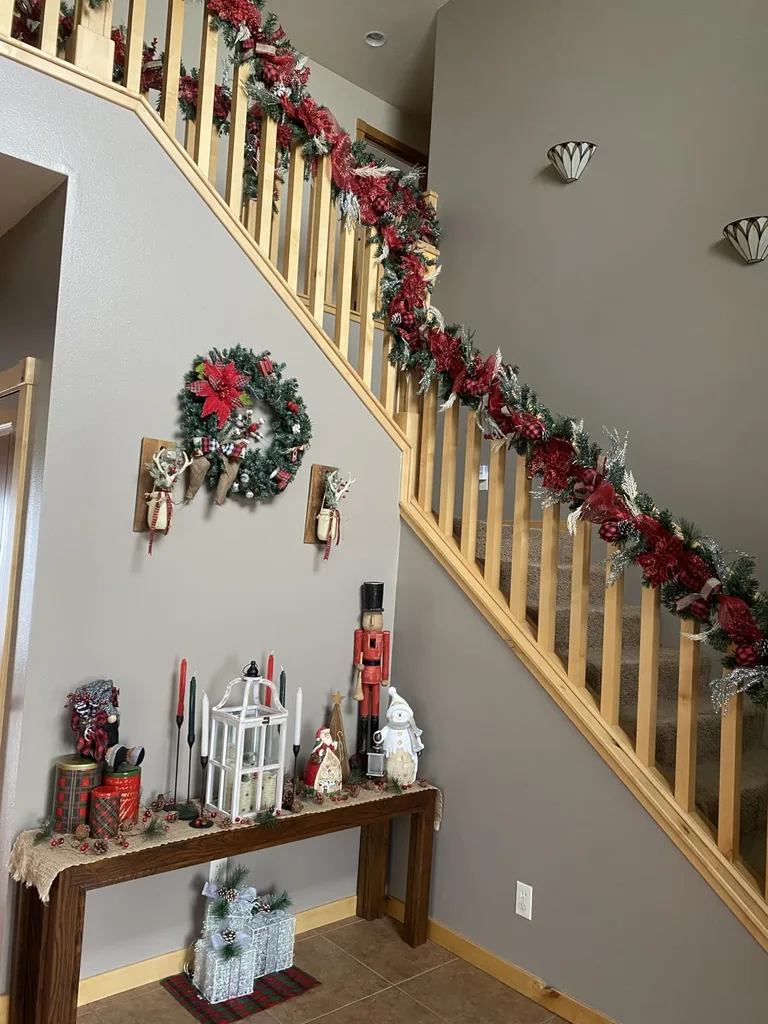
Use your fingers to remove visibly loose pieces.
For stubborn dust, follow the manufacturer’s cleaning instructions. If the material is suitable, a soft brush or gentle vacuum attachment on a low setting may help. Test a small, inconspicuous section first.
Avoid aggressive brushing, high suction, or soaking unless the manufacturer specifically allows it.
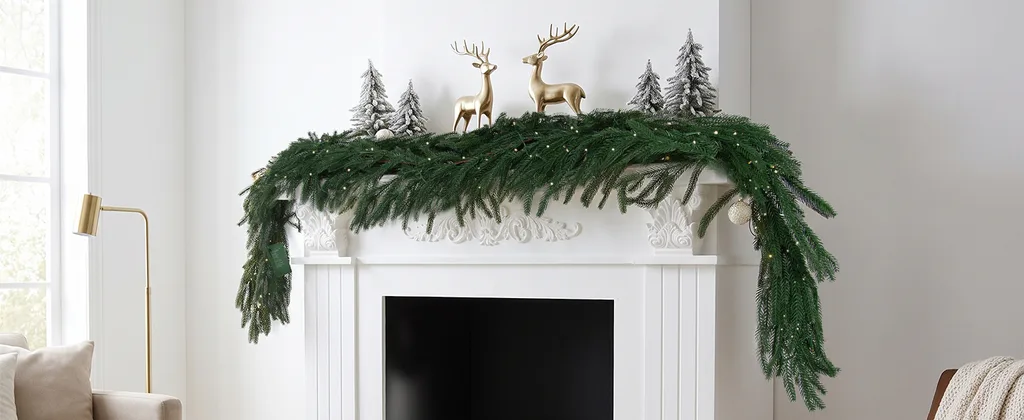
Step 4: Check the Structure
Look for exposed wire, broken connections, or sections that have lost their shape.
If the foliage is securely attached but simply looks flat, gently fluffing and repositioning the branches may improve its appearance.
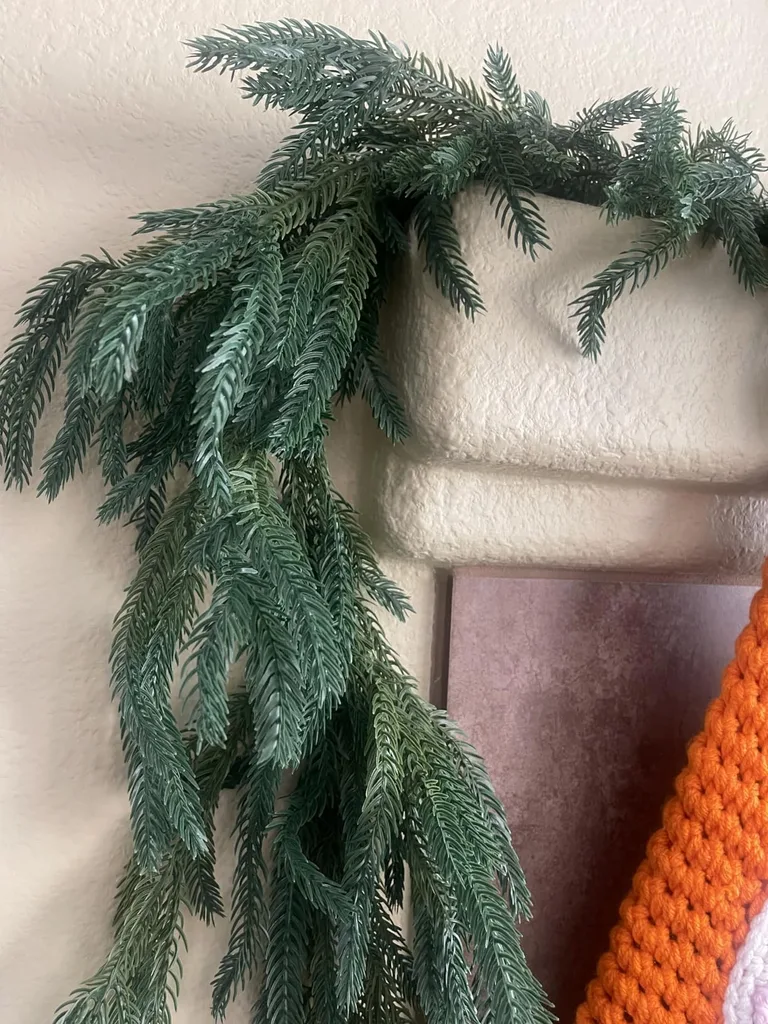
Step 5: Decide Whether to Keep or Replace It
After cleaning and arranging the garland, inspect it again.
If it looks presentable and only releases a small amount of loose material during normal handling, you may decide to continue using it.
If the material keeps breaking apart, has damaged wires, or looks noticeably deteriorated, replacing it may be the more practical choice.
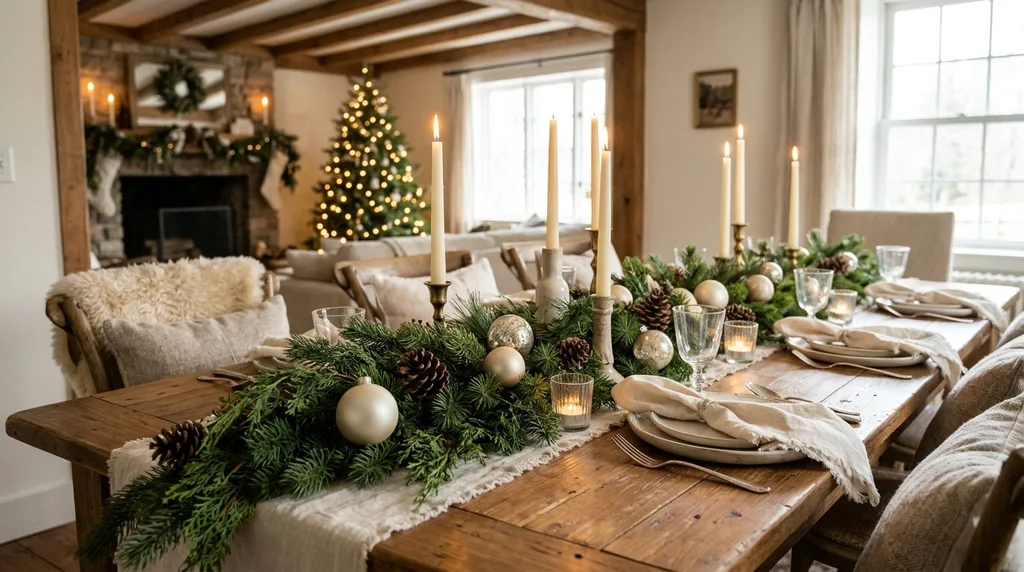
A note about sprays and adhesives: Avoid applying hairspray, craft adhesive, sealants, or other fixatives to artificial greenery unless the manufacturer confirms they are compatible. These products may damage the material, change its finish, or create an unwanted safety issue, particularly around lights or heat sources.
How to Make Artificial Christmas Greenery Look More Beautiful
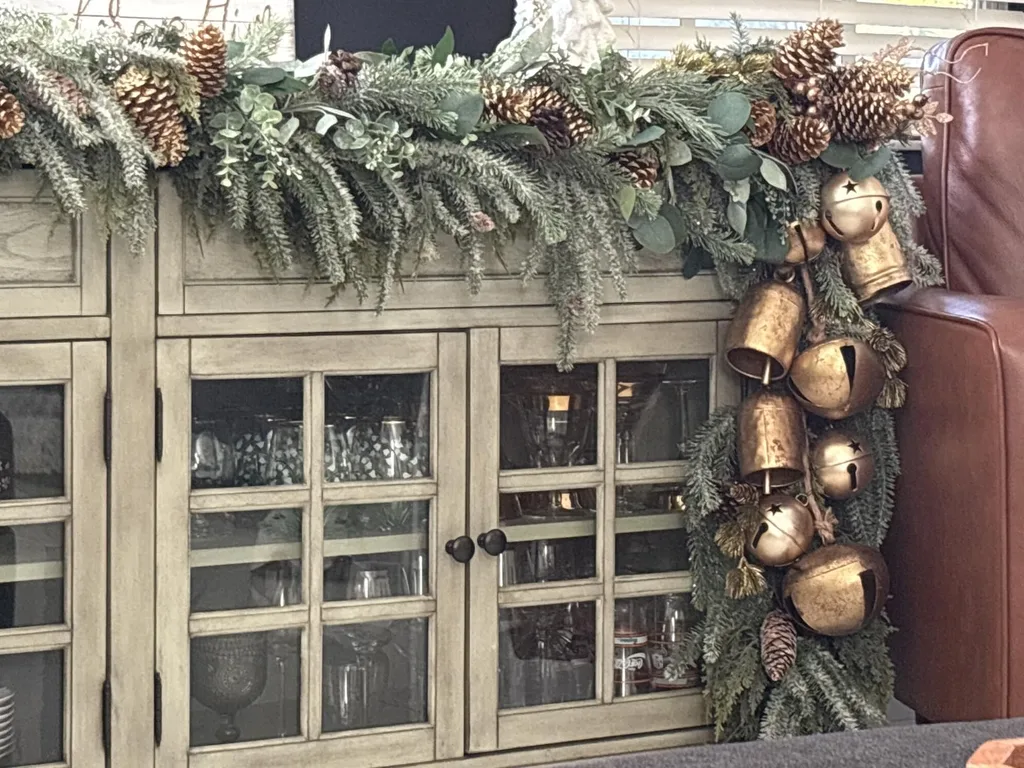
Choosing the right garland is only part of creating a beautiful holiday display.
How you arrange it makes a difference, too.
Add Volume With Thoughtful Layering
If your garland looks thin, consider layering it with a second strand rather than immediately buying a replacement.
Place the branches in slightly different directions so the arrangement has more depth.
Mix Natural-Looking Textures
Combine greenery with carefully chosen decorative elements such as ribbon, pinecones, or ornaments.
The contrast between different materials makes the display more interesting.
Choose Decorations That Suit the Space
A narrow mantel may need a lighter arrangement, while a wider fireplace can accommodate fuller greenery.
Think about proportion before adding decorative accents.
Keep the Arrangement Balanced
Avoid concentrating all the ornaments in one section. Distribute decorative accents throughout the arrangement so the eye moves naturally across the display.
Thoughtful layering can also make artificial Christmas greenery look more dimensional without requiring an expensive replacement. Even the best Christmas garland can look flat when everything is placed at the same depth, so vary the positioning, tuck some greenery behind ornaments, and let a few pieces extend forward for a fuller, more natural look.
So, Which Christmas Garland Should You Choose?
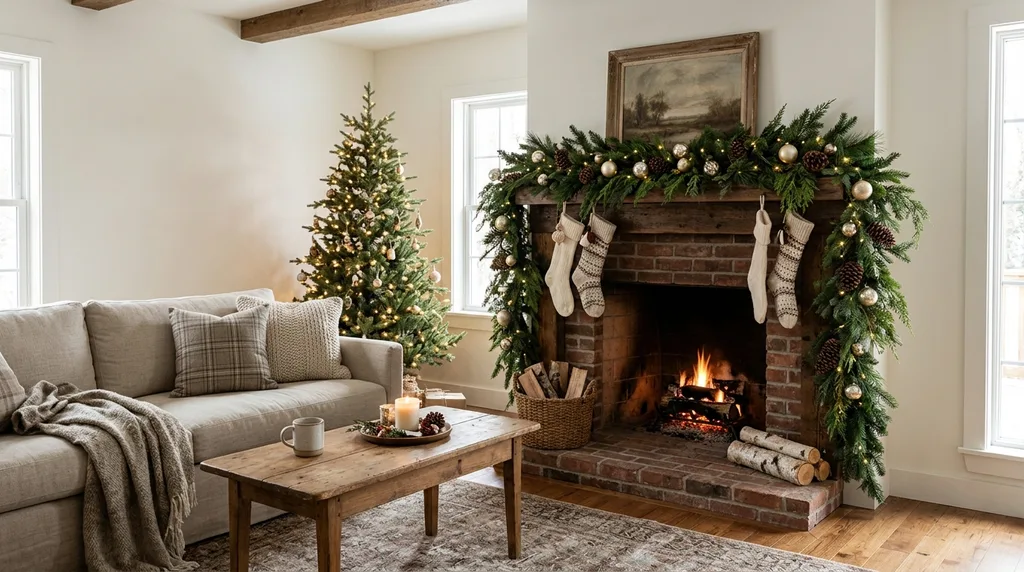
The best choice for the best Christmas garland depends on your budget, decorating needs, and how realistic you want your greenery to look.
A budget option may work well for areas where the garland is viewed from a distance. A mid-range option may offer a balance of appearance and cost. A premium option may be worth considering when the foliage is a prominent feature of your holiday display.
But don’t make your decision based on price or product photographs alone.
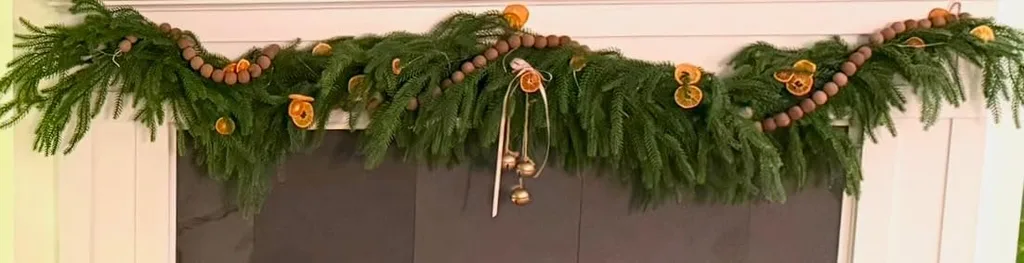
Compare the actual construction, material finish, fullness, and available customer feedback. If a product doesn’t offer enough information, don’t be afraid to look for another option.
The goal is to find Christmas greenery that works for your home, not to spend more simply because a listing uses the word premium.
Lani’s Designer Tip: Fullness Is More Than the Number of Branches

A beautiful garland display isn’t always about buying the thickest or most expensive greenery. It’s about how the branches overlap, how the foliage catches the light, and how the arrangement relates to the space around it. A little layering and thoughtful placement can make a simpler garland look more intentional.
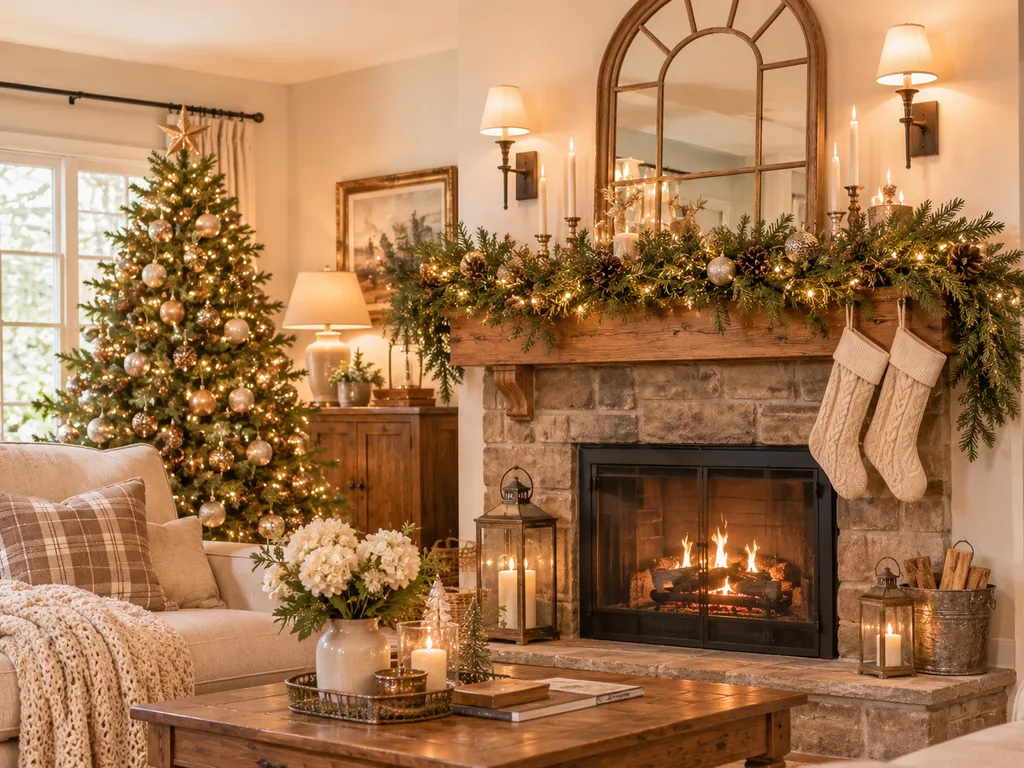
Try this at home: Before purchasing another strand, lay your existing garland out, gently fluff the branches, and experiment with overlapping two sections. Step back and check the overall shape before adding ornaments or ribbon.

A Thought to Style By
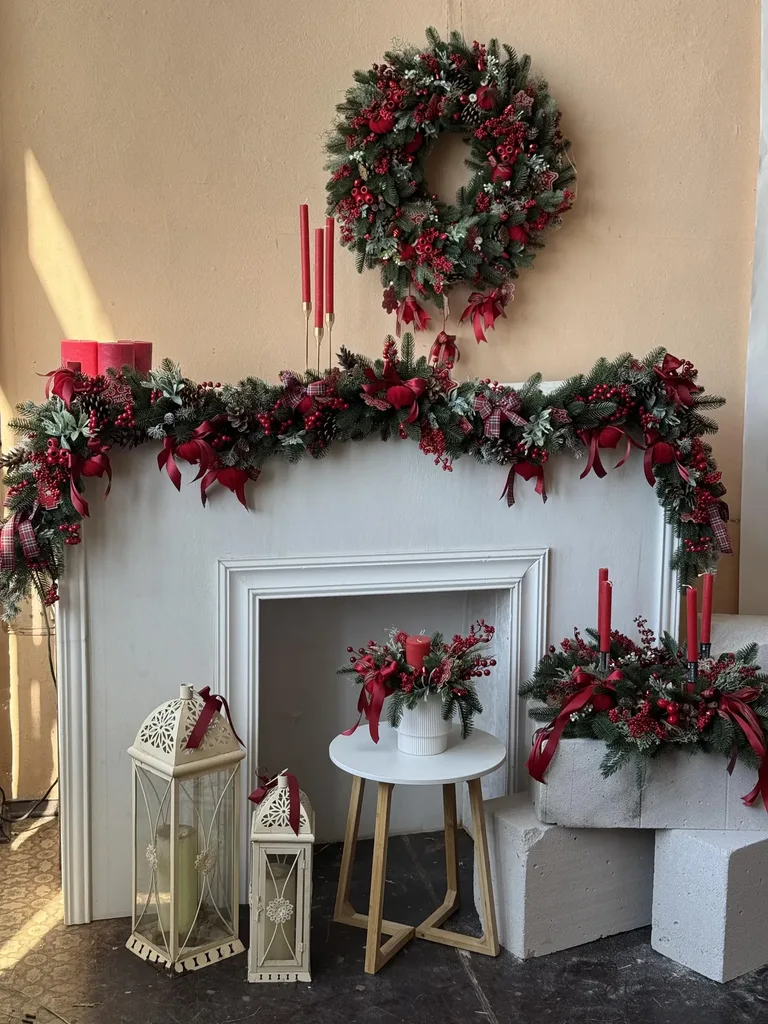
A beautiful holiday home isn’t measured by how much we decorate or how much we spend. It’s about choosing pieces that bring warmth, comfort, and a little joy to the spaces where we make our memories.
And if artificial greenery is part of your holiday decorating plans, check out Artificial Christmas Garland: How to Find One That Doesn’t Shed. It’s a helpful guide to finding a garland that looks beautiful, holds up throughout the season, and doesn’t leave little bits of greenery all over your floors.

Ready to create a Christmas home that feels like yours? Explore more affordable decorating ideas, thoughtful styling tips, and seasonal inspiration at LaniDoesIt.com. And if you want more help avoiding common decorating pitfalls, check out 11 Christmas Decorating Mistakes and How to Fix Them for practical tips to keep your holiday decorating beautiful, balanced, and stress-free.
For more Christmas decorating ideas, DIY projects, and everyday home inspiration, follow me on Pinterest, Instagram, and TikTok, and subscribe to my YouTube channel for more decorating videos and projects.

And when you’re ready to add a few new pieces to your space, visit CuratedbyLani.com to shop affordable holiday and non-holiday decor that you can enjoy throughout the year.